Accessibility has become a central consideration in modern building design, reflecting a growing commitment to creating spaces that are welcoming, practical, and inclusive for everyone. As populations age and awareness of diverse mobility, sensory, and cognitive needs continues to increase, architects, developers, and property owners are finding new ways to improve access throughout residential, commercial, and public buildings.
Today’s accessibility improvements go beyond simply meeting regulations. They focus on enhancing comfort, independence, and usability for a wider range of people; buildings are quickly evolving to better serve modern communities. Keep reading to discover how buildings are adapting to changing accessibility needs.
Wider Doorways and Accessible Layouts
One of the most noticeable changes in modern building design is the increased use of wider doorways and more accessible layouts. Traditional floor plans sometimes created barriers that made movement difficult for individuals using mobility aids or those who simply needed more space to navigate comfortably. By incorporating wider entrances, corridors, and open-plan designs, buildings can accommodate a broader range of users while creating a more welcoming environment for everyone.
These layout improvements often benefit more than those with specific accessibility requirements. Families with prams, people carrying large items, and visitors of all ages can move through spaces more comfortably when circulation areas are designed with accessibility in mind. Open and flexible layouts also allow buildings to adapt more easily to changing needs over time. As accessibility becomes an increasingly important design priority, thoughtful space planning continues to play a key role in creating practical and inclusive environments.
Wheelchair Lifts Supporting Greater Independence
Vertical access remains one of the most important aspects of building accessibility, particularly in multi-level properties. While ramps and traditional lifts provide valuable solutions, wheelchair lifts offer an effective way to improve access in locations where space may be limited or structural changes need to be minimised. These systems help individuals move between different levels safely and comfortably, supporting greater independence within residential, commercial, and public settings.
The growing popularity of wheelchair lifts reflects the wider shift towards more inclusive building design. Modern systems are designed to integrate neatly into existing environments while providing reliable performance and straightforward operation. Their ability to improve accessibility without extensive alterations makes them a practical solution for many properties. By helping users access all areas of a building more easily, these mobility solutions contribute to a more inclusive experience and support the evolving accessibility expectations of modern communities.
Automatic Doors Creating Easier Access
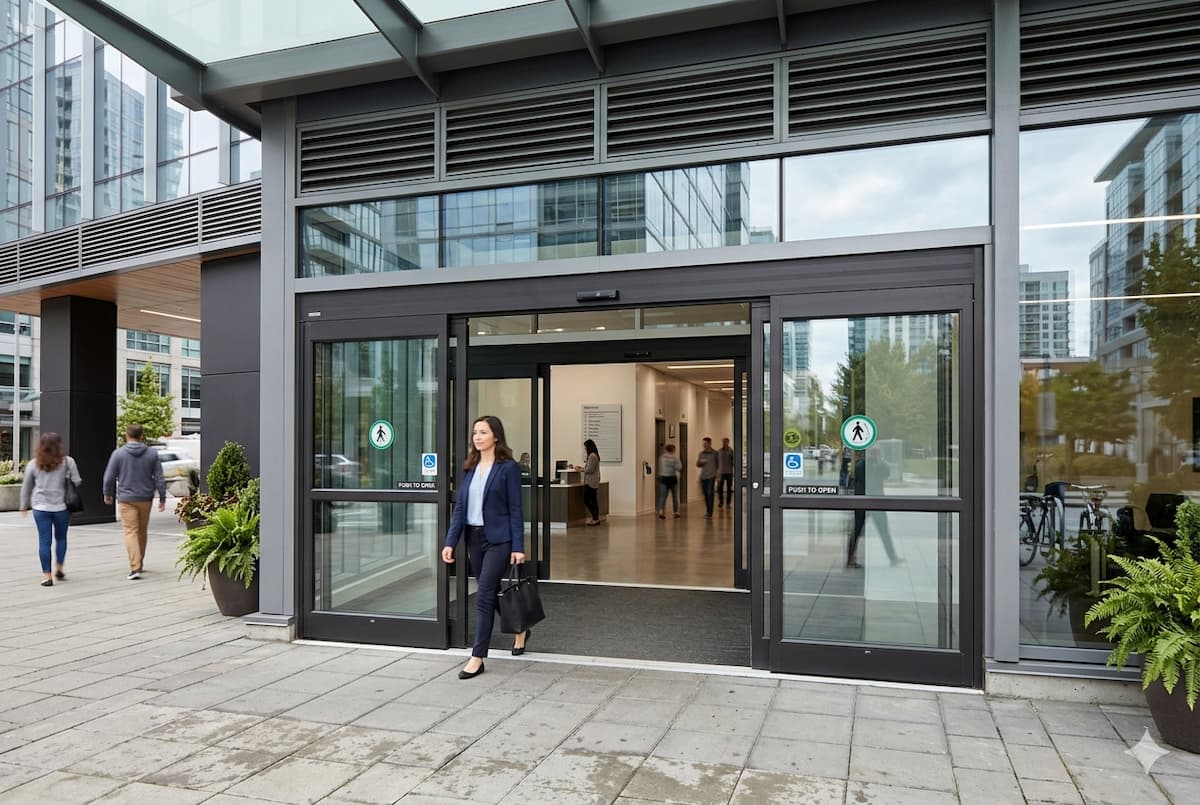
Automatic doors have become an increasingly common feature in buildings seeking to improve accessibility and convenience. For many people, manually opening heavy doors can be challenging, particularly when using mobility aids, carrying shopping, or managing other daily tasks. Automatic door systems remove this obstacle by providing smooth and effortless entry, helping create a more welcoming experience from the moment someone arrives at a building.
Beyond accessibility benefits, automatic doors also improve traffic flow in busy environments such as offices, healthcare facilities, educational institutions, and retail spaces. Their ease of use can help reduce congestion while creating a more comfortable experience for all visitors. As technology continues to advance, automatic doors are becoming more efficient and adaptable to a variety of building types. Their role in supporting inclusive access demonstrates how simple design choices can have a meaningful impact on usability and convenience.
Improved Signage and Wayfinding Systems
Effective navigation is an important aspect of accessibility, particularly in larger buildings where visitors may need assistance finding their way. Modern wayfinding systems are increasingly designed to support a wide range of needs through clear signage, improved visibility, and thoughtful placement. Easy-to-read signs help individuals move confidently through buildings while reducing confusion and enhancing the overall user experience.
Many accessibility-focused wayfinding systems now incorporate larger text, improved contrast, tactile features, and logical layouts that support individuals with varying visual and cognitive needs. These improvements make navigation more intuitive while benefiting all building users. Whether in public facilities, workplaces, or residential developments, effective signage contributes to a more organised and accessible environment. As buildings continue to evolve, clear and inclusive wayfinding remains an essential component of modern accessibility strategies.
Accessible Washroom Facilities for Greater Comfort
Accessible washroom facilities are another important area where buildings are adapting to changing accessibility expectations. Modern designs prioritise space, ease of movement, and practical features that support a wide range of users. Adequately sized cubicles, accessible fixtures, and thoughtful layouts help create facilities that are comfortable and functional for individuals with varying mobility requirements.
These improvements also enhance convenience for carers, families, and visitors who may benefit from additional space and user-friendly design. Accessible washrooms are increasingly viewed as a standard component of inclusive buildings rather than a specialised feature. Their presence demonstrates a commitment to ensuring that all individuals can use facilities comfortably and with dignity. As accessibility standards continue to evolve, well-designed washroom facilities remain a vital element in creating welcoming and inclusive spaces for everyone.