Curb appeal was so pre-COVID.
All jokes aside, there is no denying that the exterior renovation game has changed significantly in recent years. While attractive first appearances are still desirable, architects and contractors are diving deeper. They are looking at the ways that exterior materials can improve the sustainability of the structure as a whole.
As building codes tighten and public conscientiousness increases, strategic exterior renovations can do wonders for guaranteeing ESG compliance and boosting property value. Keep reading as we explore high-impact materials contractors can use for exterior renovations!
Composite Roofs
Asphalt roofs are the most economical.
Upfront, that is.
Many begin to break down in as little as 10 years without proper maintenance. The same could be said for wood shake roofs.
Explore innovative composites instead. They are fabricated from a mixture of fiberglass, asphalt, and recycled polymers. With the highest fire and impact ratings on the market, they will likely outlast the life of the building itself.
However, there is more to sustainable roofs than the surface material. The design style plays a crucial role. Among the various types of roofs, here are some of the most impactful for creating durable, energy efficient structures:
- Hip roof – This is widely regarded as the most energy efficient of the traditional pitched roof designs. This roof style slopes down on all sides for premier wind resistance. It also has consistent overhangs for shading walls and windows. The symmetry limits unwanted heat loss or gain.
- Gable roof – Can be quite energy efficient when paired with adequate ventilation. This style has two sloping sides that form a ridge. This makes it a great choice for limiting precipitation buildup.
- Butterfly roof – This style has two slopes that dip toward the center. It is a great option for passive solar and rainwater harvesting. It also limits wind damage.
Regional climates are crucial when considering roof styles. For example, hip roofs are ideal in hurricane-prone regions. Gable roofs can be best in areas prone to standing moisture.
Moisture Control Systems
Water is the basis of life.
When left unchecked, however, it can cause unspeakable destruction.
This is particularly true in the construction industry. Moisture damage is the number one culprit for damaging foundations, subsequently putting the entire structure at risk.
There are numerous ways to renovate for moisture control. Grading is a starting point. Create a positive (away from to building) slope of 5% to ensure that water naturally runs away from the structure. Install slot drains in concrete or asphalt surfaces for better runoff control. Make sure the gutters are clear and in good condition.
It is also a great idea to consider the foundation walls themselves. If building from scratch, the best way to vapor barrier basement walls is with ICF blocks. The double-insulation layer guarantees that hydrostatic pressure does not lead to moisture buildup. If the walls are already in place, consider self-adhering drainage mats to keep groundwater from threatening the foundation.
Hurricane-Grade Storm Windows

Any area that receives strong winds would do well to consider hurricane-grade storm windows. Fabricated from reinforced glass set inside a steel frame, this innovative system can withstand winds of 250 MPH. This keeps the windows intact amid the strongest gales. They can be retrofitted seamlessly into existing structures for a cohesive look. For greater energy efficiency, consider a low-E glazing to reflect or transmit heat waves as desired.
Exterior Wall Insulation
Insulating the exterior walls is a first line of defense in the energy efficiency game. Some of the best materials to consider are:
- Rigid foam board
- Mineral wool
- Spray polyurethane foam
These materials provide moisture resistance beneath the initial layer of cladding. They enhance structural stability. They reduce thermal bridging more effectively than standard fiberglass batts.
Bamboo Decking
A major concept in the energy efficiency realm is embodied energy. This refers to the amount of energy required to cultivate, process, transport, and install the material at the building site.
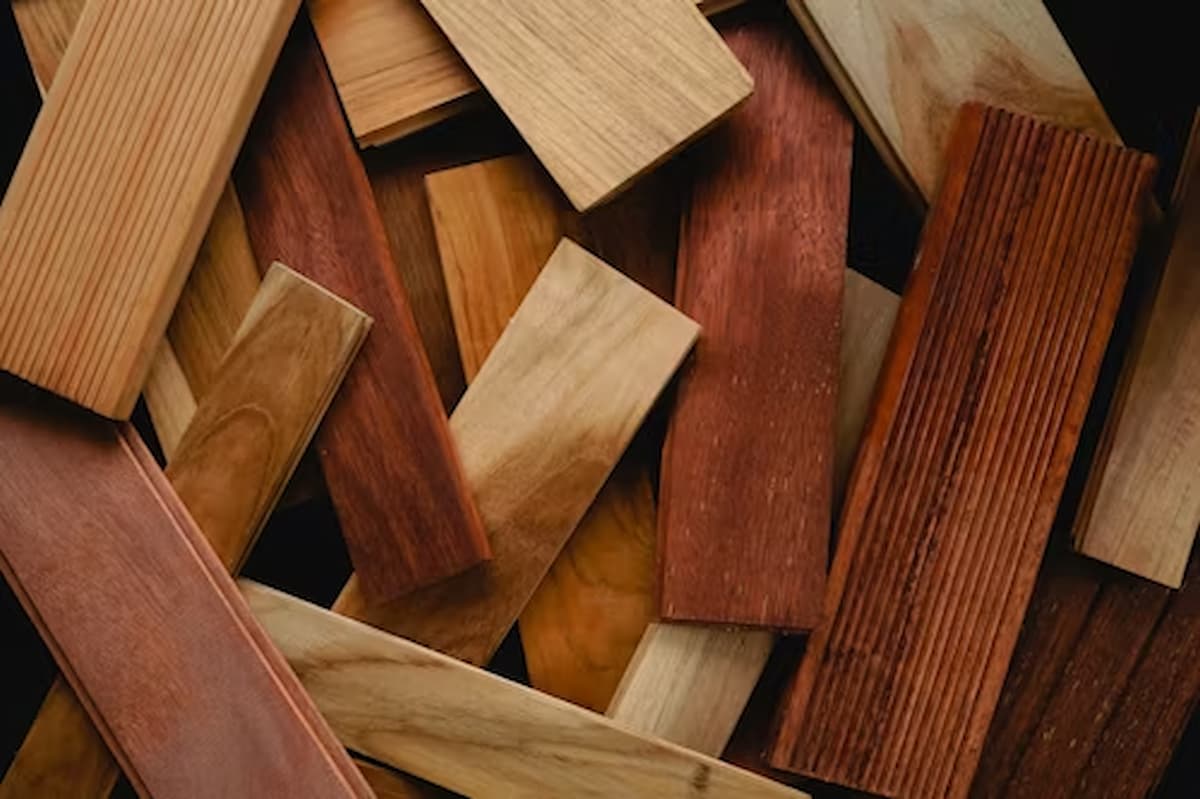
One material that has extremely low embodied energy is bamboo decking. A dense grass that performs similarly to wood, its cycle from sowing to harvesting can be as little as 3 years, making it an ultra-renewable resource. It can also be grown on much smaller plots of land than traditional timber.
It is not just the renewability that makes bamboo decks attractive. Thermally treated, it has elite strength and weather resistance. Same with moisture and pest concerns. It has great dimensional stability that limits shrinking and swelling. Its finish offers the classic hardwood appearance, giving desirable rustic charm with fewer of the ongoing maintenance concerns.
Renovate to Make an Impact with Innovative Materials
Modern exteriors are about more than curb appeal. True, they must be stunning. But they must also be durable and energy efficient for sustainability that meets modern standards. Consider any of the high-impact materials listed above to give you a leg up for an upcoming exterior renovation. For more of the latest trends in the contemporary construction landscape, explore the content at Construction Daily for additional thought leadership!