Security seals may look small, but they play a big role in keeping sites secure. Whether you manage a warehouse, hospital, construction site, or office building, different areas face different risks. A seal that works well on a shipping container might not be suitable for a server room. That is why choosing the right type of security seal for each zone matters. When you match the seal to the level of risk and activity in a certain area, you strengthen control, improve accountability, and make tampering easier to detect.
Let’s break down how to choose security seals based on the specific needs of different site zones.
Know What Security Seals Actually Do
Before diving into specific zones, it’s helpful to understand what a security seal is designed to accomplish. And we’re not talking about traditional locks here. We’re focusing on industrial security seals – devices specifically designed to provide visible evidence of tampering or unauthorised access.
A seal doesn’t physically prevent access the way a lock does. What it does is provide tamper evidence, meaning it leaves a visible or measurable sign that something has been disturbed or opened. That distinction shapes every purchasing decision you’ll make.
There are several broad categories worth knowing. Indicative seals, such as plastic pull-tight seals or adhesive labels, are designed to show tampering rather than resist it. High-security seals, on the other hand, are built to delay and deter forced removal. Cable seals, bolt seals, meter seals, and barrier seals each serve different mechanical purposes. Understanding which category applies to your zone is the starting point for making a sound choice.
Match Seal Strength to Zone Risk Level
Site zones are rarely uniform in their risk profiles. A general parking area outside a facility presents an entirely different threat level than a server room, a medication storage area, or a cash handling zone. The seal you would use on a storage cage in a low-traffic area would be wildly inappropriate for a pharmaceutical cold chain container.
For low-risk zones, indicative seals work well. They are cost-effective, easy to apply and remove, and provide a clear visual record of tampering. High-risk zones, on the other hand, demand more robust solutions. In these areas, where the contents are valuable, regulated, or sensitive, you’ll want solutions that meet specific standards. And these classify seals as H (high security), M (medium security), or I (indicative). When seal strength aligns with zone risk, security becomes proportional, practical, and easier to manage.
Choose Seals for Outdoor and Perimeter Zones
Outdoor zones introduce environmental challenges that indoor zones simply don’t have. A seal that works perfectly in a climate-controlled warehouse may fail when exposed to direct sunlight, rain, salt air, or temperature swings. Material selection becomes critical here.
Stainless steel cable seals and UV-resistant plastic seals are common choices for outdoor perimeter applications. If the zone involves gate locking, trailer hitches, or container closures, bolt locks made from hardened steel are generally the right call. It’s also worth considering visibility. Outdoor security solutions often benefit from high-contrast colors or numbering systems that make audits faster, since inspectors may be working in low light or under difficult conditions.
Secure Controlled Access Zones and Entry Points
Entry points into restricted areas, such as server rooms, chemical storage, or executive floors, demand seals that are both tamper-evident and traceable. A seal number system that ties each seal to a specific person, time, and date creates an audit trail that strengthens accountability across shifts.
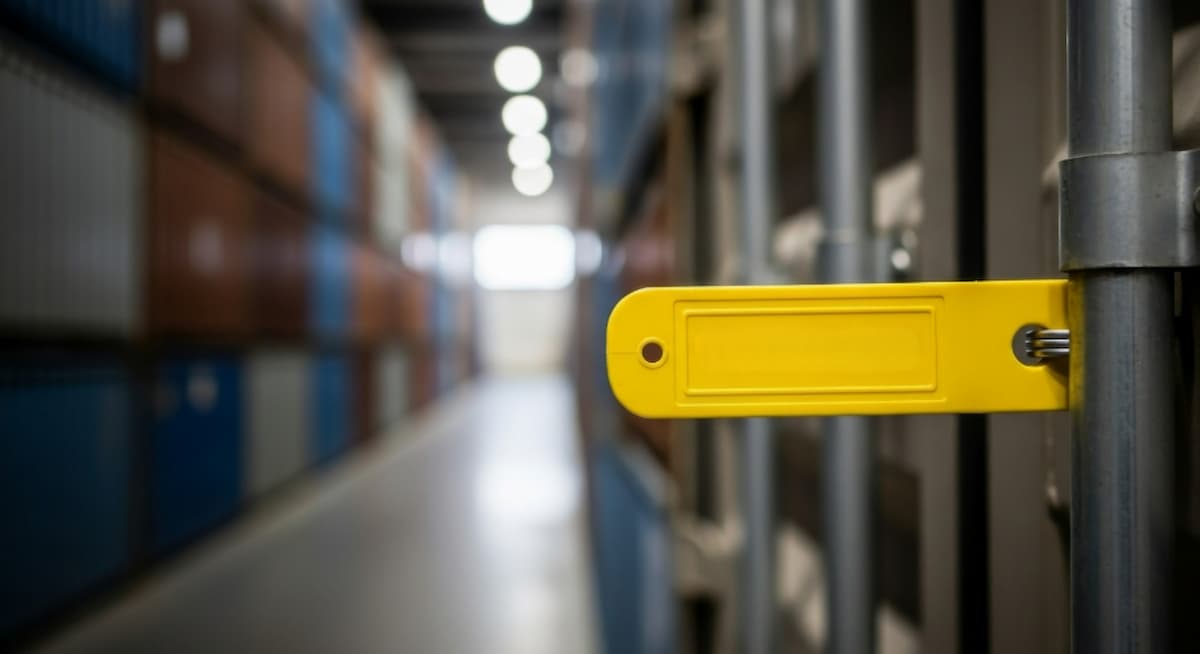
Adhesive security seals with sequential numbering work well on doors, access panels, and equipment enclosures in these areas. Many facilities also use multi-layer seals that leave a ‘VOID’ pattern on the surface when removed, making unauthorised entry immediately apparent. When the seal is also serialised and logged into an access management system, you gain an additional layer of traceability that simple padlocks cannot provide, further deterring any attempt at prohibited access.
Apply Seals in Utility and Metering Zones
Utility meters, electrical panels, and valve assemblies are often overlooked when organisations plan their seal programs, yet these areas are frequent targets for tampering. Energy theft, illicit adjustments to calibration settings, and interference with water or gas metering are all real risks in commercial and industrial sectors.
Meter seals, which are typically smaller and lighter than cargo seals, are designed specifically for these applications. Push-in wire seals and lead seals have long been used in metering contexts because they can be applied without specialised tools and are difficult to remove without leaving obvious evidence. For higher-risk metering zones, plastic security seals with laser-engraved serial numbers offer a good balance of cost, traceability, and tamper resistance.
Protect Cargo and Loading Dock Zones
Loading docks are among the most active and therefore most vulnerable zones on any commercial site. Goods arrive and depart, multiple personnel interact with containers, and the pace of operations can make it easy for a compromised seal to go unnoticed. A robust seal program in this zone is non-negotiable for businesses handling regulated goods, high-value merchandise, or pharmaceuticals.
ISO 17712-compliant bolt seals or cable seals are the standard in cargo security for good reason. They resist cutting, pulling, and twisting, and they’re designed to be applied with a specific amount of force so that any attempt to reinstall them after removal is detectable. Establishing a written procedure for seal application, removal, and logging at the loading dock is just as important as the seal itself. A good seal poorly managed is still a vulnerability.
Wrapping Up
Choosing the right security seal is less about the product itself and more about knowing the environment it protects. When each zone is evaluated based on risk, activity level, and sensitivity, seal selection becomes a strategic decision. The result is stronger accountability, clearer tamper evidence, and fewer security gaps across your site.
By aligning seal strength with zone requirements, you create layered protection that supports both safety and operational efficiency. Thoughtful planning today can prevent costly vulnerabilities tomorrow.