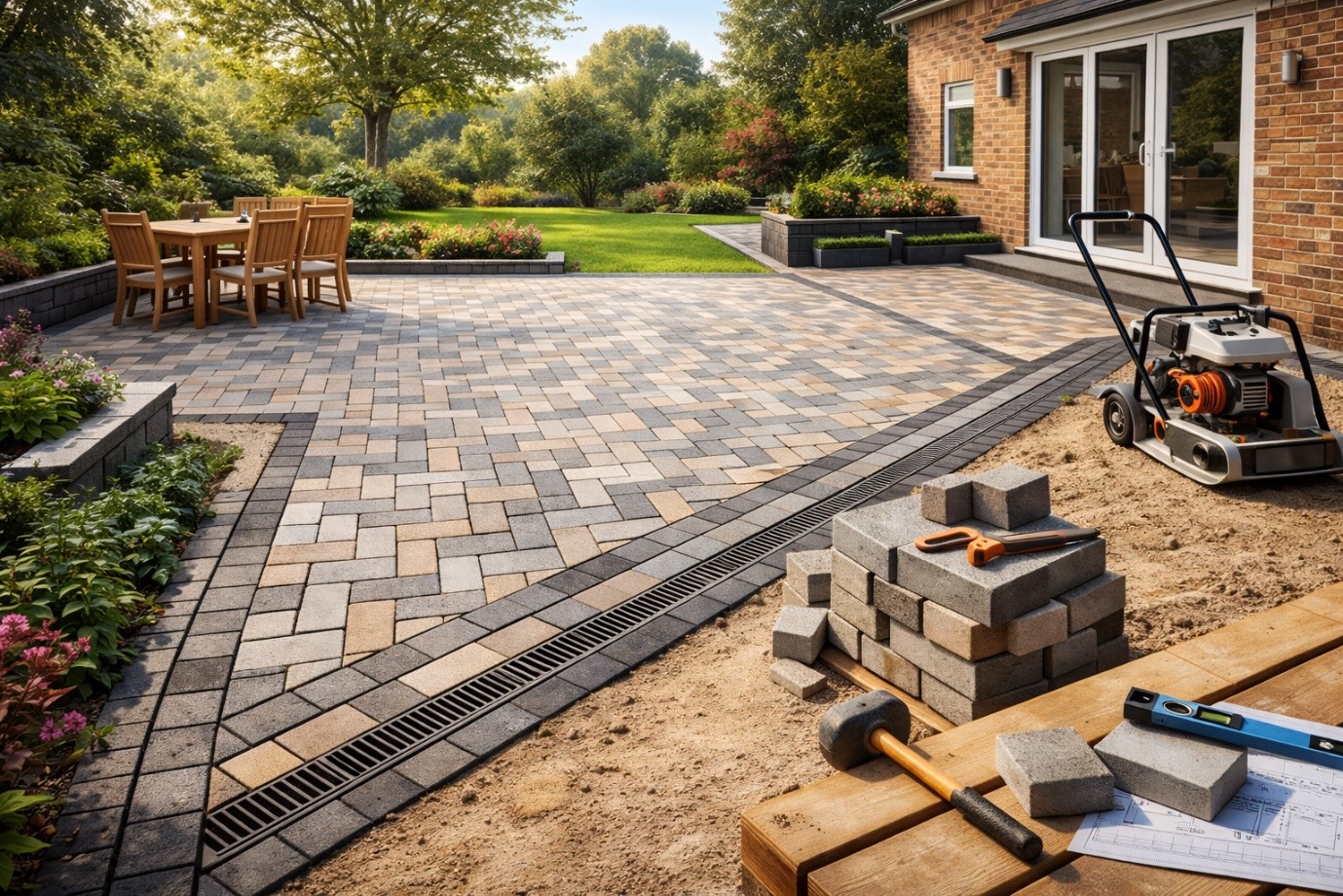
Creating a paved outdoor space can transform a garden, driveway, or patio into a functional and visually appealing area. Whether for entertaining, relaxing, or enhancing property value, the right design and materials are essential. Proper planning ensures that the paved area is both durable and stylish, capable of withstanding weather and daily use for many years.
Working with specialist installers of block paving ensures a professional finish, precise installation, and long term reliability. Experts provide advice on materials, layout, and maintenance, guaranteeing that your outdoor space looks great and performs well.
This guide explores the key steps homeowners should consider when planning a paved outdoor area.
Assess Your Space and Purpose
The first step in planning any paved area is to understand its purpose and size. The design should complement your home and garden while meeting your practical needs.
Consider the following:
- Is the space for dining, entertaining, or a driveway?
- How much traffic will it experience?
- Are there existing features such as plants, trees, or slopes to consider?
- What overall style do you want to achieve?
Clear goals at the outset make it easier to select the right materials and layout.
Choose the Right Paving Materials
Block paving is a popular choice due to its durability, versatility, and range of designs. Selecting the correct materials ensures longevity and enhances the aesthetic appeal of the space.
Factors to consider include:
- Type of blocks (concrete, clay, or natural stone)
- Colour, pattern, and texture to match your garden or home
- Resistance to weathering and frost
- Maintenance requirements
Working with specialists helps ensure that materials are suitable for your intended use and climate.
Plan the Layout and Pattern
The layout of a paved area affects both appearance and functionality. Patterns can create visual interest and help define zones within the space.
Popular design considerations include:
- Herringbone or basketweave patterns for driveways
- Straight or diagonal layouts for patios
- Border designs to frame the paved area
- Gradients for proper drainage
A professional installer can provide guidance on patterns that enhance both aesthetics and performance.
Prepare the Base Correctly
A solid base is critical for a durable paved surface. Proper preparation prevents uneven settling, cracking, and other common problems.
Key steps in base preparation include:
- Excavating the area to the correct depth
- Adding layers of compacted aggregate or sand
- Ensuring correct slope for drainage
- Installing edging to maintain structure
A well prepared base is the foundation for a long lasting and resilient paved area.
Consider Drainage Solutions
Effective drainage is essential to prevent water pooling and damage to the paving. Poor drainage can lead to surface erosion, frost damage, and slippery areas.
Drainage strategies may include:
- Installing channels or grids to direct water away
- Sloping the surface towards drains or garden beds
- Using permeable block paving where appropriate
- Regular maintenance to keep drainage paths clear
Proper drainage ensures that the paved space remains safe and durable.
Plan for Functionality
A paved area should not only look good but also be practical for its intended use. Functionality considerations include:
- Space for furniture or vehicles
- Pathways for easy access and movement
- Integration with surrounding landscaping
- Lighting for evening use
Balancing style and usability maximises the enjoyment and effectiveness of the space.
Enhance Aesthetic Appeal
The visual impact of paving contributes significantly to the overall garden design. Thoughtful choices create harmony and elevate the property’s exterior.
Tips to enhance aesthetics include:
- Selecting complementary colours and textures
- Adding decorative borders or contrasting patterns
- Combining paving with planting or water features
- Ensuring consistency with the architectural style of the home
Well designed paving improves both the look and feel of your outdoor area.
Maintain Your Paved Area
Regular maintenance keeps a paved space looking its best and prolongs its life. Neglect can result in weeds, stains, and structural issues.
Maintenance tips include:
- Sweeping regularly to remove debris
- Cleaning stains with appropriate products
- Replacing damaged or loose blocks promptly
- Checking for drainage or settlement issues
Routine care helps preserve the beauty and durability of the space.
Engage Professional Installers
Working with experienced professionals, such as specialist installers of block paving, ensures that your project is completed to the highest standards. Benefits include:
- Accurate measurement and precise installation
- Expert advice on materials, patterns, and drainage
- Compliance with building regulations and industry standards
- Time and cost efficiency through professional planning and execution
Professional installation guarantees a paved area that is both durable and visually appealing.
Final Thoughts
Planning a paved outdoor space requires careful attention to design, materials, functionality, and maintenance. By assessing your space, choosing quality materials, preparing the base properly, and consulting professionals, homeowners can create an area that is practical, long lasting, and beautiful.
Engaging specialist installers of block paving ensures a high quality finish that stands the test of time. With the right planning and expertise, your paved outdoor space becomes a stylish, functional, and enduring part of your home.