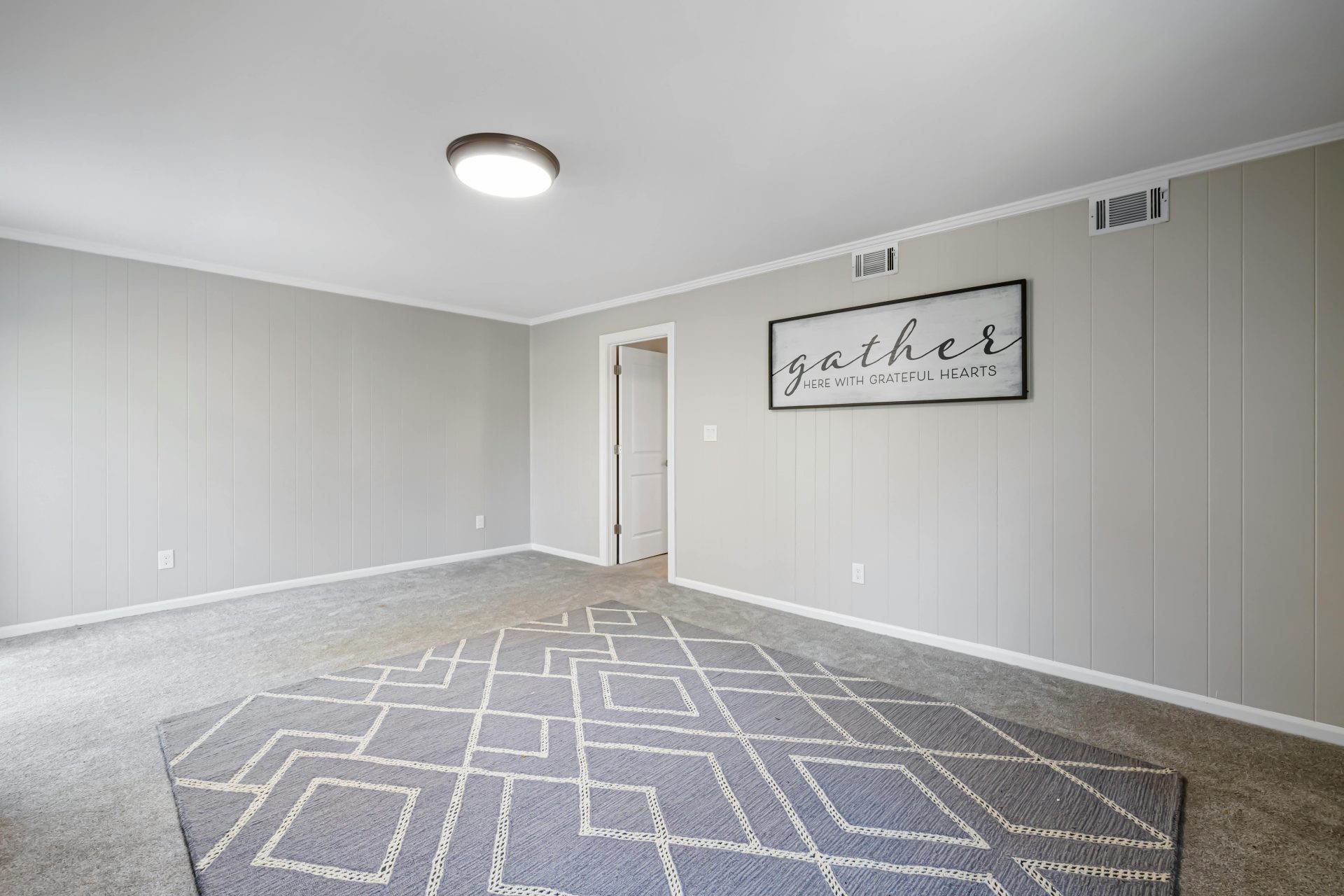
Skirting board covers are becoming a popular solution for refreshing interiors without the mess and cost of removing old skirting. When paired with dado rails, they can help create a clean, well-balanced look that feels intentional rather than pieced together. The key is coordination. Getting the profiles and colours right makes the difference between a room that feels polished and one that feels slightly off. This guide explains how to match skirting board covers with dado rails so both features work together, not against each other.
What Are Skirting Board Covers?
Skirting board covers are designed to fit neatly over existing skirting boards. They hide worn edges, outdated profiles, or layers of old paint without needing full removal.
This makes them ideal for renovation projects, rental properties, or homes where removing original skirting could damage plaster or walls. Modern skirting covers are made to look just like full skirting boards once installed, especially when painted correctly.
When combined with dado rails, skirting board covers help frame the wall from floor to mid-height, giving the room structure and flow.
Why Coordination Matters with Dado Rails
Dado rails sit higher up the wall, usually around one third of the wall height. Skirting boards anchor the room at floor level. Together, they act like visual bookends.
If the profiles clash or the colours fight each other, the eye is constantly drawn to the mismatch. When they are coordinated, the room feels calm and well thought out.
In traditional interiors especially, mouldings are meant to relate to each other. Even in modern homes, consistency in trim details helps the space feel cohesive.
Matching Skirting Board and Dado Rail Profiles
Profile choice is one of the most important design decisions. Profiles refer to the shape and detail of the moulding.
If your dado rail has a detailed, traditional profile with curves and steps, your skirting board cover should echo that style. This does not mean the profiles must be identical, but they should feel like they belong to the same family.
For example, MR Mouldings classic ogee dado rail pairs well with a skirting cover that also features gentle curves rather than sharp, square edges. Mixing a very modern, flat skirting with an ornate dado rail often looks unbalanced.
In more contemporary interiors, simpler profiles work better. A clean-lined dado rail pairs best with a square or chamfered skirting board cover.
Proportion and Visual Balance
Scale matters just as much as style. Tall skirting board covers tend to work best with more substantial dado rails, especially in rooms with higher ceilings.
If the skirting is tall and the dado rail is very slim, the lower half of the room can feel heavy. If the dado rail is deep and decorative but the skirting is small, the room can feel top-heavy.
As a general guide, stronger profiles should be matched with stronger profiles. This keeps the visual weight evenly distributed across the wall.
Choosing the Right Colours
Skirting board covers and dado rails work together, but colour plays a huge role.
One of the most popular choices is to paint both in the same colour. This creates a continuous frame around the room and helps tie the features together. White, off-white, and soft neutral tones remain popular because they suit most interiors and reflect light well.
In period-style homes, skirting boards and dado rails were often painted in a slightly darker or glossier finish than the walls. This subtle contrast helped define the mouldings without overpowering the space.
For a modern look, painting skirting covers and dado rails the same colour as the wall can work well. This softens their impact while still adding texture and detail.
If you want to explore how interior colour choices affect perception and space, Architectural Digest has useful insights into how trims and wall colours work together.
Using Contrast Without Clashing
Contrast can look striking when done well. The key is restraint.
A darker colour below the dado rail and a lighter colour above is a traditional approach that still works today. When doing this, the skirting board cover and dado rail are usually painted the same colour to keep the division clean.
Avoid using too many different colours across mouldings. Skirting, dado rails, architraves, and doors should usually share the same finish to avoid visual clutter.
Consistency is especially important in hallways and staircases where multiple rooms connect.
Coordinating with Other Mouldings
Skirting board covers and dado rails rarely exist in isolation. Architraves around doors and windows also play a part.
When coordinating profiles, think about the whole room. If your door frames are quite detailed, choosing completely plain skirting and dado rails can feel disjointed.
This does not mean everything must match exactly. It means the level of detail should feel consistent throughout the space.
For a clearer understanding of how different mouldings developed and how they are traditionally combined, the Wikipedia page on architectural mouldings provides a helpful overview.
Traditional vs Modern Interiors
In traditional interiors, coordination is about harmony and heritage. Profiles are often more decorative, and colours are chosen to highlight architectural detail.
Skirting board covers in these settings should mimic traditional skirting profiles as closely as possible. When paired with dado rails, the aim is to recreate the feel of original features rather than introduce something that looks too modern.
In modern interiors, coordination is more about simplicity. Flat skirting covers and slim dado rails can still work together, but the focus is on clean lines and subtle detail.
The same principles apply in both cases. Profiles should relate, and colours should complement.
Practical Considerations When Installing
When fitting skirting board covers alongside dado rails, planning is important.
Make sure the height of the skirting cover suits the existing skirting underneath. Poorly fitted covers can look bulky if they are too deep for the space.
Paint samples should always be tested before final decisions are made. Lighting can change how colours look, especially on mouldings that catch shadows.
Taking time at this stage helps avoid costly changes later.
Final Thoughts
Skirting board covers and dado rails can transform a room when they are designed to work together. Coordinating profiles ensures visual harmony, while thoughtful colour choices help mouldings enhance rather than dominate the space.
Whether you are updating a period property or refining a modern interior, paying attention to these details makes a noticeable difference. When skirting board covers and dado rails are aligned in style, scale, and finish, the result is a space that feels balanced, finished, and built to last.