For many UK homeowners and landscape professionals, the moment of material selection is where a project either gains longevity and character or quietly dates itself. Whether refurbishing a period kitchen floor, specifying a terrace for a contemporary extension, or detailing a landscape scheme intended to mature gracefully over decades, the choice of stone matters.
In recent years, Dijon limestone flooring and outdoor paving have become an increasingly specified option across the UK. Drawn from historic French quarries and long associated with European architecture, Dijon limestone paving offers a balance of warmth, subtlety, and technical reliability that suits both modern and traditional settings.
This guide provides a comprehensive overview of:
- Dijon limestone: what it is, where it works best
- Strengths and limitations
- How it compares with alternatives
- What to expect over its lifespan
What Is Dijon Limestone
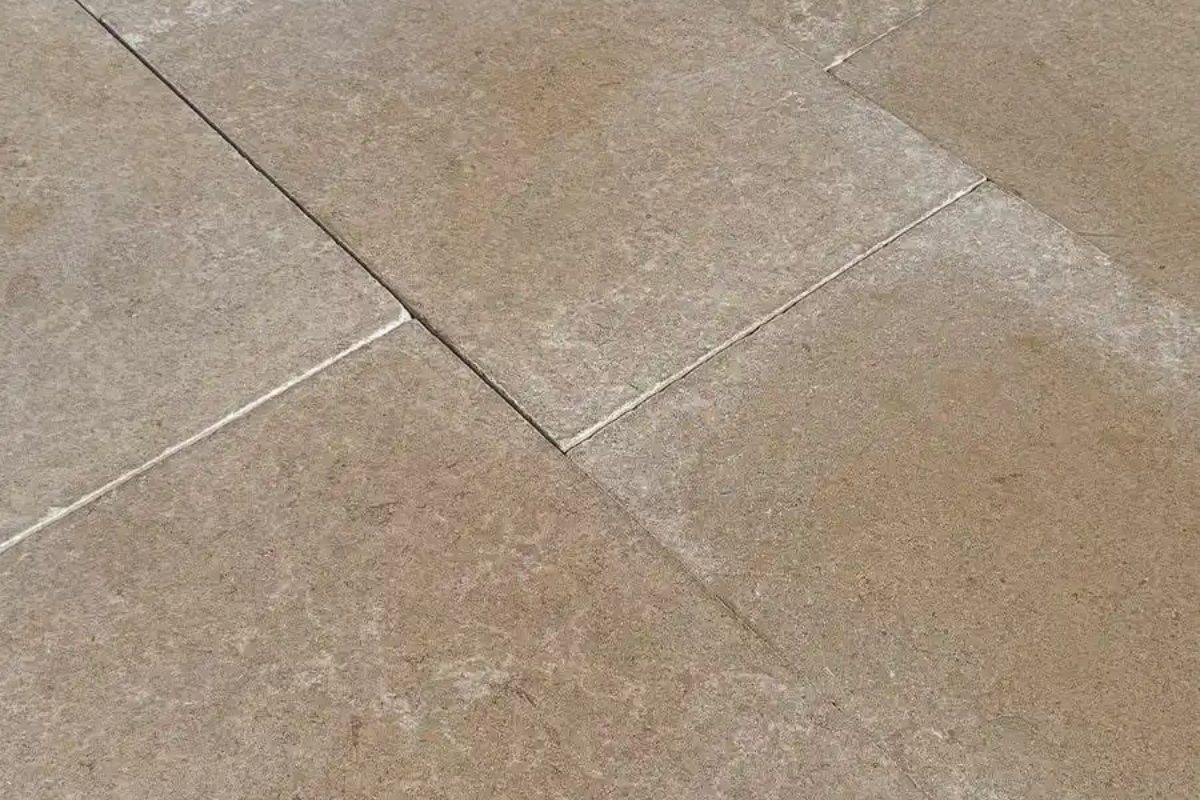
Dijon limestone is a natural limestone quarried in the Burgundy region of eastern France. Geologically, it is a sedimentary stone formed over millions of years from compacted marine organisms, giving it a dense yet workable structure prized in architectural use.
Natural Characteristics
- Colour palette: Warm beige, soft cream, and pale honey tones
- Texture: Fine-grained with occasional fossil markings
- Variation: Subtle tonal movement rather than strong veining
These qualities place Dijon limestone firmly within the tradition of French-style limestone, known for restraint and longevity rather than visual drama.
Comparison with Other Limestones
- Jura limestone: Typically greyer and more contemporary in tone
- Portland limestone: Cooler, whiter, and historically British in character
Dijon sits comfortably between the two, warmer than Portland, calmer than many Jura varieties, making it a versatile premium stone for UK interiors and exteriors.
Indoor Uses of Dijon Limestone Flooring
Dijon Limestone tiles are frequently specified indoors due to their visual softness, thermal comfort, and compatibility with underfloor heating. However, it is very important to seal them to protect against stains, wear, and increase their longevity.
Kitchens and Dining Areas
Its warm tones complement timber cabinetry, painted joinery, and contemporary finishes alike. When honed and sealed correctly, Dijon limestone performs well in high-use kitchen spaces.
Hallways and Entrance Spaces
As the first material encountered, limestone sets the tone of a home. Dijon’s understated appearance works particularly well in Georgian and Victorian properties, as well as new-builds seeking a calm, architectural feel.
Living Rooms and Open-Plan Areas
Large-format Dijon limestone slabs can visually expand open-plan interiors while maintaining a sense of material authenticity often lacking in manufactured alternatives.
Bathrooms and Wet Rooms
With appropriate sealing and a honed or lightly textured finish, Dijon limestone provides a tactile, spa-like quality. Slip resistance should always be considered at the specification stage.
Basements and Ground Floors
These stone paving slabs’ thermal mass pairs effectively with underfloor heating, making them suitable for lower-ground installations where comfort and durability are priorities.
Outdoor Uses of Dijon Limestone Paving
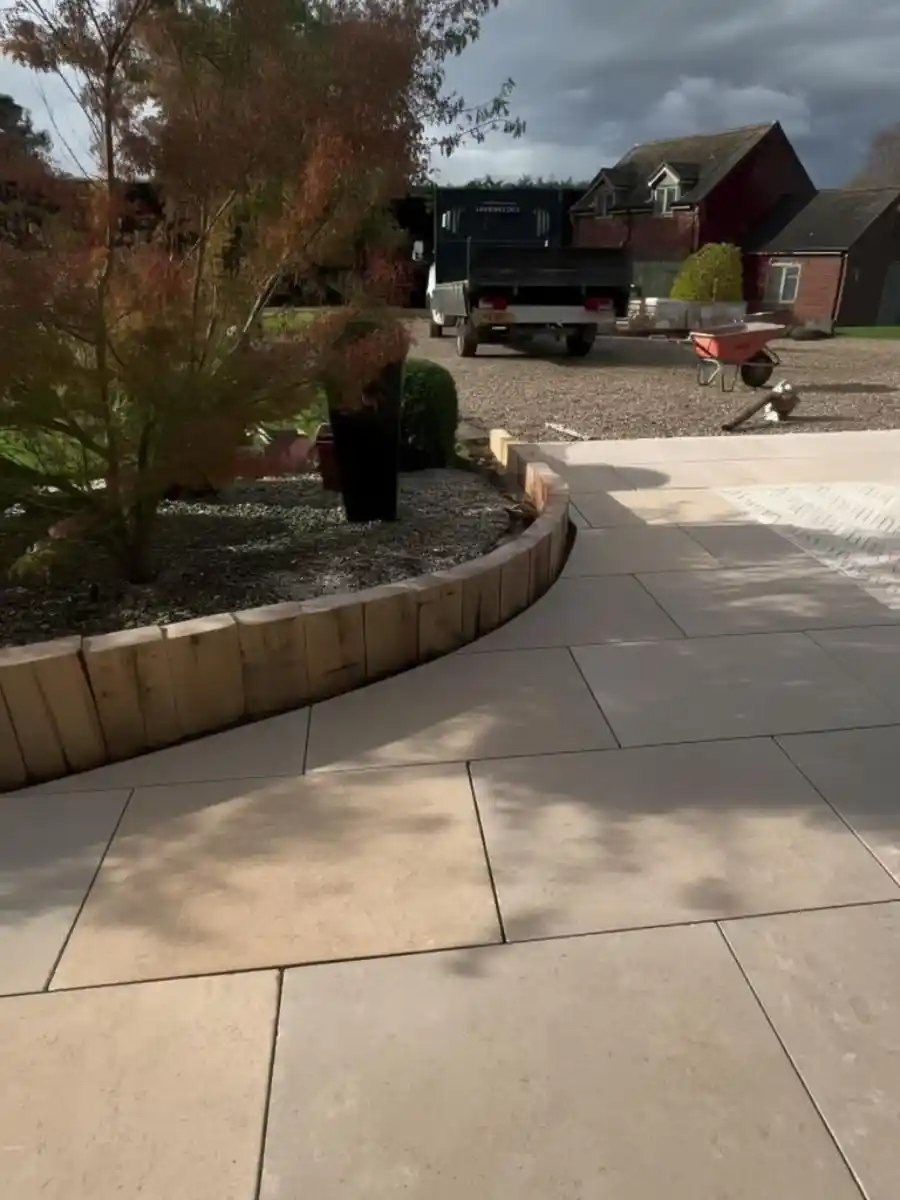
Equally valued outdoors, Dijon limestone for outdoor paving offers continuity between architecture and landscape when detailed correctly. This French stone flooring is perfect for homeowners who appreciate the natural authenticity of natural stone.
Patios and Terraces
Dijon limestone patio paving is commonly used for terraces that adjoin living spaces, particularly where a seamless indoor, outdoor transition is desired.
Garden Pathways
Limestone pavers’ density makes it suitable for foot traffic, while tumbled finishes provide a softer, more traditional aesthetic.
Courtyards and Enclosed Gardens
In urban settings, French limestone paving slabs reflect light gently, helping enclosed spaces feel brighter without glare.
Pool Surrounds
When specified with a textured or brushed finish, Dijon limestone offers reliable slip resistance and remains comfortable underfoot in warm weather.
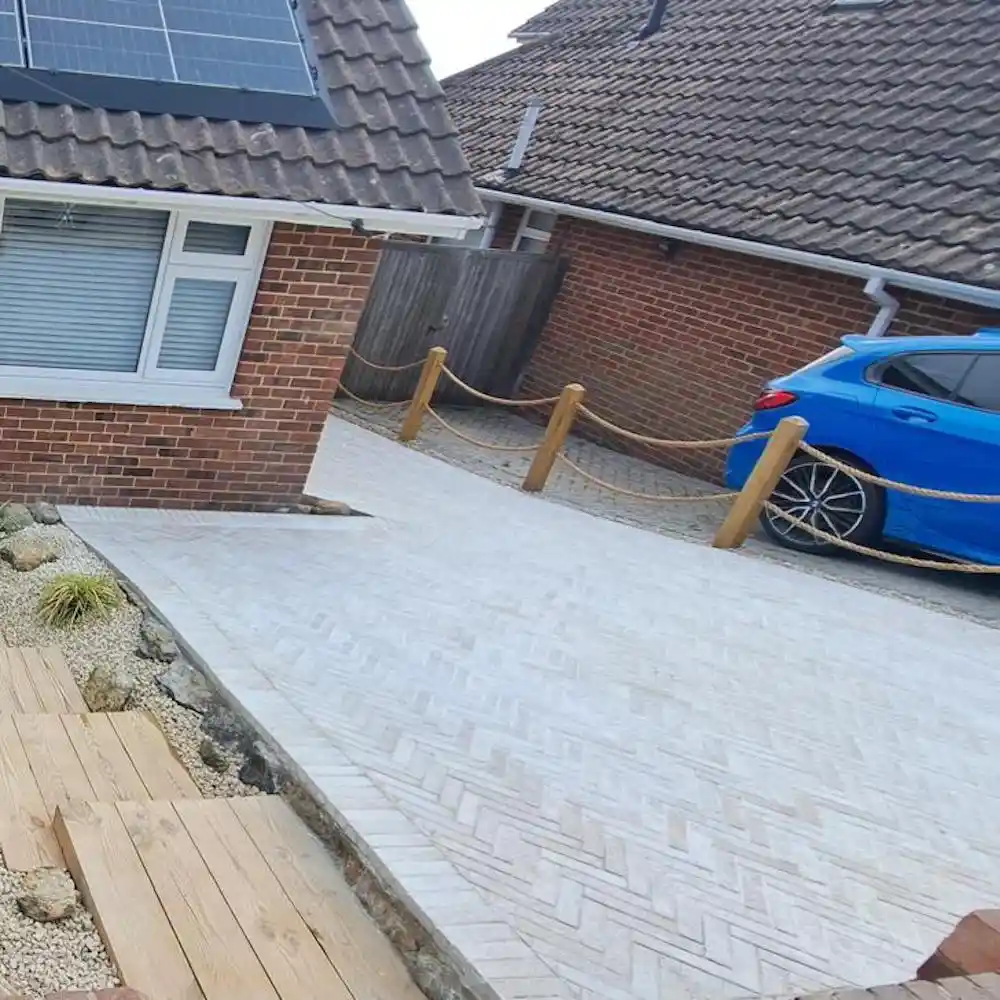
Driveway Borders and Features
While not typically used for full vehicular driveways, Dijon limestone works well for edging, detailing, and secondary hardscape elements within broader outdoor paving schemes.
Key Benefits of Dijon Limestone for Flooring and Paving
While deciding on paving slabs, it is crucial to know what to look for when buying. Here are some of the reasons you should choose Dijon stone paving:
Timeless Aesthetics
Dijon limestone avoids strong trends. Its appeal lies in proportion, tone, and material honesty, qualities that age well.
Durability
When correctly installed and maintained, it performs reliably in both domestic interiors and UK external conditions.
Low Visual Maintenance
Unlike highly patterned stones, wear and patina tend to enhance rather than detract from its appearance.
Property Value
Natural stone flooring and paving remain strong indicators of build quality and long-term value.
Environmental Responsibility
“Natural stone is one of the most sustainable construction materials available, offering exceptional durability with minimal processing compared to manufactured alternatives.”
Jane Buxey, CEO of Stone Federation Great Britain
Selecting a Dijon Limestone Supplier
When sourcing Dijon limestone flooring and outdoor paving, several factors indicate supplier quality:
- Material Grade Consistency: Reputable suppliers offer selection grades with clear specifications for colour variation and fossil content.
- Technical support: Experienced UK specialists like Royale Stones provide guidance on appropriate finishes, thicknesses, and installation methods for specific applications.
- Sample availability: Always request physical samples to assess colour, texture, and finish before committing to full orders.
- Provenance transparency: Verify the stone’s quarry origin and frost-resistance testing certifications, particularly for outdoor paving applications.
- Installation network: Suppliers who recommend qualified installers demonstrate commitment to project success beyond the sale.
Surface Finishes and Their Uses
Honed
- Smooth, matte surface
- Ideal for interiors
- Requires sealing for stain resistance
Tumbled
- Softened edges and aged appearance
- Suited to period properties and courtyards
Brushed / Textured
- Increased slip resistance
- Preferred for external paving and wet areas
Finish selection has direct implications for maintenance and safety, particularly outdoors.
Design Styles and Layout Options
Laying Patterns
- Random course (traditional)
- Linear or grid (contemporary)
- Large-format slabs for minimal joints
Colour Coordination
Dijon limestone pairs well with:
- Oak and walnut timbers
- Soft greys and off-whites
- Blackened steel and bronze detailing
Indoor–Outdoor Continuity
Using the same stone internally and externally, often in different finishes, creates a coherent architectural language.
Modern vs Period Homes
“Natural stone brings an authenticity to landscapes that manufactured materials struggle to replicate, particularly as it weathers.”
Andy Sturgeon, Landscape Designer
Installation Considerations
Indoor Subfloor Preparation
- Flat, stable substrate
- Appropriate adhesives for limestone
- Movement joints correctly detailed
Outdoor Ground Preparation
- Adequate drainage
- Frost-resistant bedding materials
- Falls designed away from buildings
Bedding Materials
Limestone benefits from breathable bedding systems rather than impermeable mortars.
Why Professional Installation Matters
Poor installation is the most common cause of limestone failure. Experienced installers understand moisture management, sealing schedules, and detailing nuances.
Maintenance and Long-Term Care
Routine Cleaning
- pH-neutral cleaners only
- Avoid acidic products
Sealing Timelines
- Initial seal after installation
- Re-seal every 3–5 years, depending on use
Outdoor Care
- Gentle pressure washing
- Algae management in shaded areas
Common Mistakes
- Using cement-based cleaners
- Neglecting drainage design
Cost and Value Assessment
Typical UK Price Ranges
- Supply only: £60–£120 per m² (based on current pound rates)
- Installed: varies by site complexity
Cost Factors
- Slab thickness and format
- Finish selection
- Installation conditions
Long-Term Value
While porcelain may offer lower upfront costs, natural limestone often provides superior longevity and repairability.
Is Dijon limestone worth the investment? For many projects, the answer lies in its ability to age gracefully rather than remain visually static.
Dijon Limestone vs Other Flooring and Paving Options
| Feature | Dijon Limestone | Porcelain | Sandstone |
| Durability | High | Very high | Moderate |
| Maintenance | Moderate | Low | Moderate |
| Appearance | Natural, subtle | Uniform | Variable |
| Cost | Mid–high | Mid | Low–mid |
| Indoor/Outdoor | Both | Both | Mainly outdoor |
Dijon limestone is not always the right choice, but where material authenticity and continuity matter, it remains compelling.
Conclusion
From kitchens and hallways to terraces and courtyards, Dijon limestone flooring and outdoor paving offer a rare balance of restraint, warmth, and technical performance. Its success lies not in visual impact alone, but in how it supports architecture and landscape over time.
For UK homeowners, designers, and contractors seeking a material that rewards thoughtful specification, Dijon limestone, from trusted UK suppliers like Royale Stones, remains a quietly confident choice, one best selected with long-term design intent in mind.
Frequently Asked Questions
What color is dijon limestone?
Beige to grey tonal variations can be found in Dijon Limestones. They also contain some small fossils and occasional crystallised veining.
Can you jet wash limestone paving?
It is not recommended to jet wash the Dijon limestone paving as it can damage the surface of the stone. Avoid pressure washing unless it has severe stains or scratches.
Is Dijon limestone suitable for the UK climate?
Yes. When properly installed and sealed, it performs well in freeze–thaw conditions typical of the UK.
Does Dijon limestone stain easily?
Like all natural limestone, it is porous. Sealing significantly reduces staining risk.
Can Dijon limestone be used with underfloor heating?
Yes. Its thermal mass makes it particularly compatible with underfloor heating systems.
How does it compare to porcelain paving?
Porcelain is lower maintenance, but Dijon limestone offers greater natural variation and repairability.
Is Dijon limestone slippery when wet?
Finish choice matters. Textured or brushed finishes provide good slip resistance outdoors.