When embarking on a new build, conversion, or extension, compliance with UK Building Regulations Part L is non-negotiable. At the heart of this compliance lies the SAP calculation (Standard Assessment Procedure), the government’s approved method for assessing the energy performance of residential properties.
Too often, SAP assessments are left until construction is nearly complete, leading to costly redesigns, delays, and compliance headaches. By contrast, commissioning SAP calculations at the design stage ensures smoother approvals, cost savings, and a more sustainable outcome.
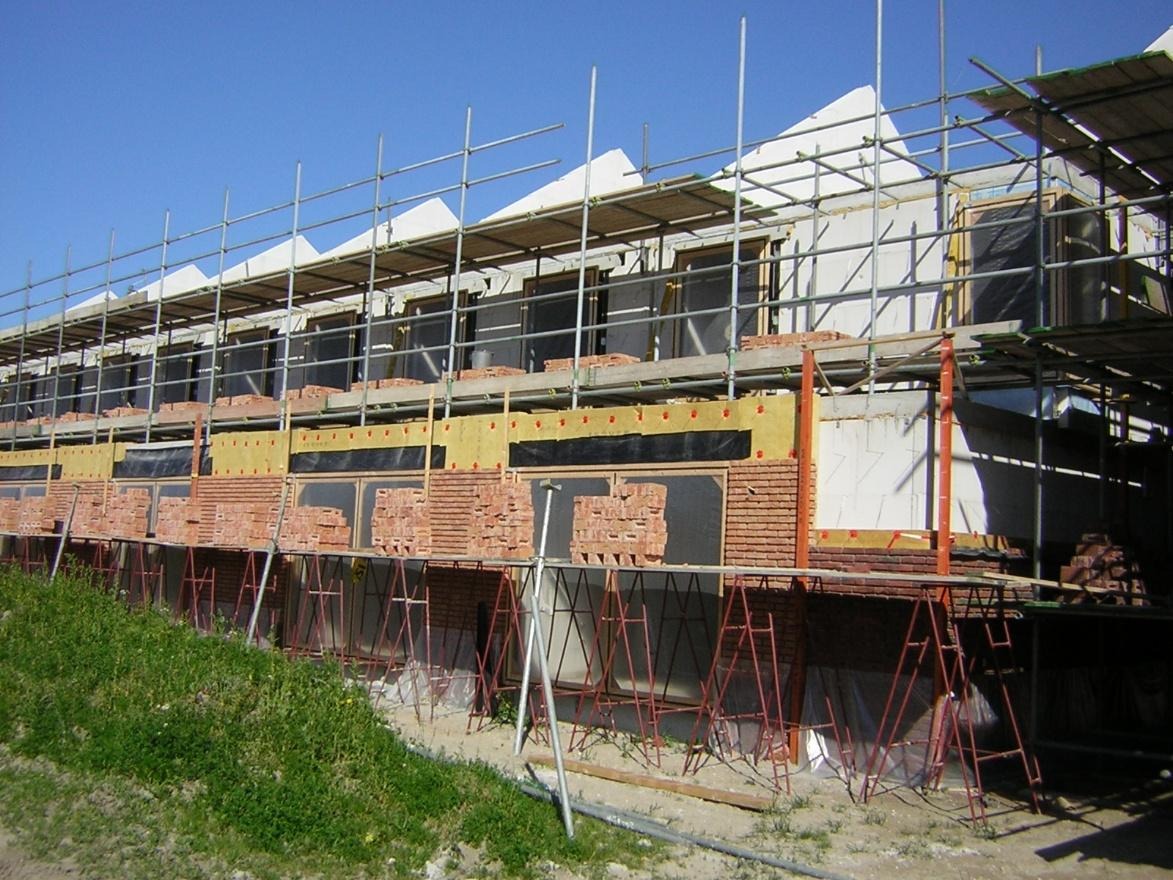
The Subtle Trap!
We have had to deliver the bad news to developers and homeowners that where not told about this important step at design stage. At best sometimes installing phototovoltaics or renewable energy can solve the issue, but far too often the issues with compliance relate to the fabric of the dwelling!
Fabric efficiency is one of the compliance metrics that is hardest to meet. Although the minimum standards of the building regulations allow for new windows with a U-Value of 1.6 W/m²K the energy model in Part L of the Building Regulations for a New Build uses windows of 1.2 W/m²K in it’s calculations.
Similarly the limiting U-Values for external walls according to Part L are 0.26 W/m²K, however the energy model again uses an external wall of 0.18 W/m²K.
What does this mean? The 3 metrics that must be passed to meet compliance, Emission Rate, Primary Energy Rate and Fabric Energy Efficiency are based on an Energy model that has stricter fabric requirements than may be realised.
A SAP assessor will be able to flag up any compliance issues before work has begun allowing a change in design direction where needed by producing SAP calculations at design stage.
What Are SAP Calculations?
SAP calculations measure how energy-efficient a dwelling will be. They take into account:
- Fabric performance: insulation levels, thermal bridging, and airtightness.
- Heating and hot water systems: boilers, heat pumps, and controls.
- Ventilation strategy: natural or mechanical ventilation and its efficiency.
- Renewable technologies: solar panels, biomass, or other low-carbon solutions.
- Lighting and energy demand: efficiency of fittings and predicted consumption.
The results determine whether the property complies with Part L and form the basis for the Energy Performance Certificate (EPC), which is legally required before a property can be sold or rented.
Compliance with Part L is met by showing that the dwellings primary energy rate, dwelling emission rate and dwelling fabric energy efficiency rate match or beat the target rates in each metric of the Energy Model produced using a SAP assessment.
SAP Assessments are the methodology used to calculate these values according to Part L of the building regulations: https://www.gov.uk/government/publications/conservation-of-fuel-and-power-approved-document-l
Building Regulations ADL Vol 1 2:2 actually states “The dwelling primary energy rate, dwelling emission rate and dwelling energy efficiency rate must be calculated at both of the following points using the same calculation tool.
a. Before work starts, using design values.
b. When work is complete, using figures for the building as constructed…”
So it is a building regulations requirement to get SAP calculations at design stage!
Why Design Stage Matters
1. Early Compliance Check
By running SAP calculations before construction begins, you can confirm that your design meets regulatory standards. This avoids the risk of non-compliance later, when changes are more expensive and disruptive.
2. Cost Savings
Late-stage SAP failures often mean retrofitting insulation, upgrading heating systems, or adding renewables. These fixes can be costly. Early calculations highlight potential issues while they’re still easy to resolve on paper.
3. Design Flexibility
At design stage, architects and builders can adapt specifications without major financial impact. Whether it’s tweaking wall U-values or choosing a more efficient boiler, early SAP input keeps options open.
4. Smooth Approval Process
Building Control officers require SAP compliance evidence. Submitting calculations early speeds up approvals and reduces the risk of delays that can stall projects.
5. Future Proofing
With energy standards tightening, design-stage SAP calculations help integrate sustainable technologies from the outset. This ensures homes are not only compliant today but resilient against future regulation changes.
Benefits for Stakeholders
- Developers: Protect profit margins by avoiding redesigns and delays.
- Architects: Align design choices with energy efficiency targets from the start.
- Homeowners: Gain confidence that their property will be compliant, efficient, and cost-effective to run.
Sustainability and Market Value
Early SAP calculations aren’t just about compliance—they’re about building smarter. With growing demand for low-carbon homes, integrating renewable energy and sustainable materials at design stage enhances both environmental performance and market appeal. Buyers increasingly value energy-efficient homes, and a strong EPC rating can boost property value.
Conclusion
Getting SAP calculations at the design stage is a proactive step that pays dividends. It ensures compliance, saves money, and supports sustainable building practices. Whether you’re a developer, architect, or homeowner, early assessment provides clarity and confidence—turning potential obstacles into opportunities for smarter, greener construction.
At New build SAP we can help you to achieve this Contact Us for SAP Calculations.