As bathroom refurbishment activity grows in residential and commercial sectors, installers are increasingly working with wider choices of vanity configurations. Among them, you get to see freestanding vanity units, wall-hung vanity units, wall-mounted basin units, and hybrid modular systems more.
Most homeowners choose their bathroom vanity units based on their looks; however, professionals face far more complexities, for instance, wall strength, load distribution, plumbing routes, moisture control, and long-term maintenance. Choose the wrong type of vanity unit, and you’ll experience firsthand the whole fixing problems, resulting in floor movement, cracked tiles, and inadequate storage space.
Here are 5 secrets of Freestanding vs Wall-hung Vanity units that installers and fit-out contractors should know and understand before specifying or installing either of the units in UK projects.
5 Secrets Insights of Vanity Units
Secret 1: Space Impact: Why Wall-Hung Vanity Units Feel Bigger
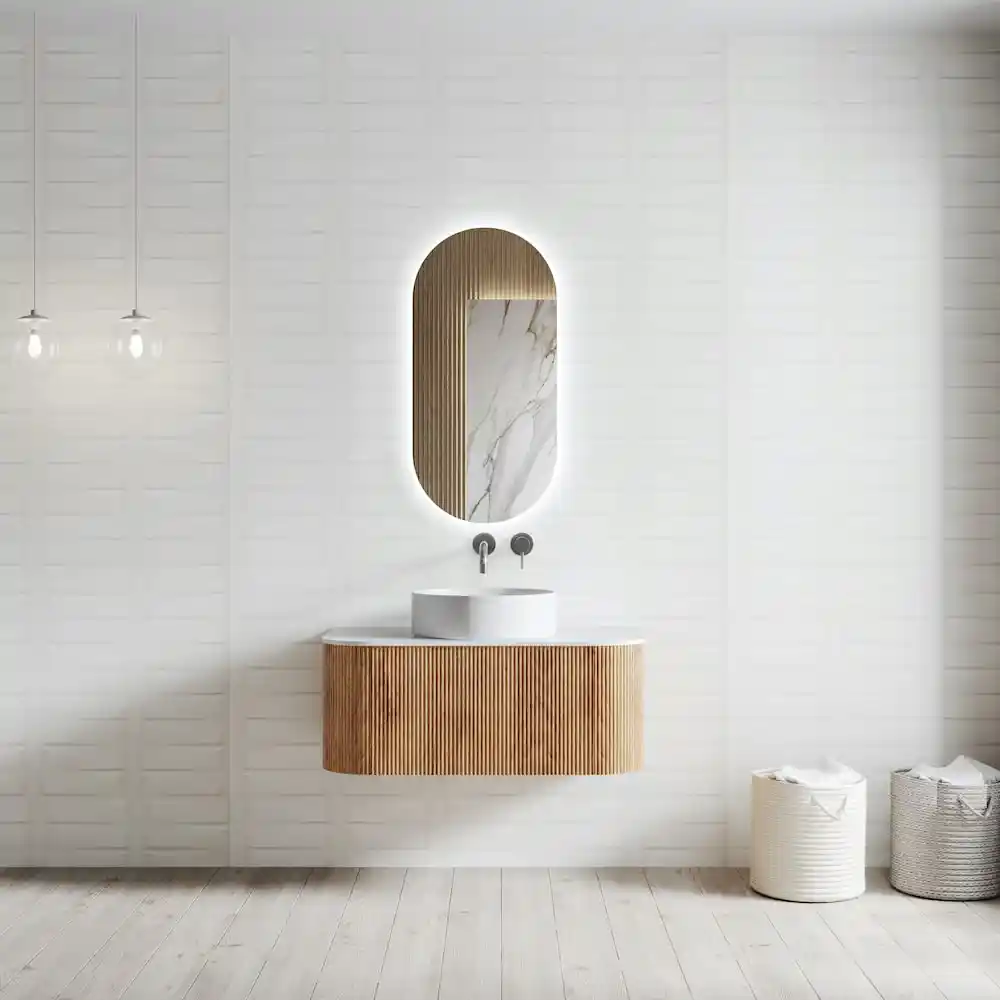
Many UK bathrooms are compact, especially in the cities where they have en-suites and small cloakrooms; space is the primary driver of choosing Wall-hung vanity units.
How Wall-Hung Vanity Units Maximise Usable Space
Wall-hung vanities, suspended or wall-hanging vanity units are popular in UK homes due to several reasons:
- Expose more floor area, giving a sense of spaciousness
- Allows a continuous floor beneath the unit
- Reduces visual clutter and provides more circulation space
- Complies ideally with minimalist design principles.
These benefits make them especially effective in small bathrooms, cloakrooms, narrow en-suites, and apartments that have very tight bathrooms.
When are Freestanding Vanity Units More Appropriate
Freestanding vanity units, including large vanity units and double sink vanity units, are better for:
- Large and airy bathrooms.
- Allow you to style bathrooms more traditionally
- Clients who need a lot of storage space
- When the floor build-up is strong enough to support the load points
As an installer, you must consider door swings, drainage use, plumbing, and whether the space can accommodate 750mm vanity units, 800mm vanity units, oversized double basin vanity units, or freestanding vanity units without basins.
Secret 2: Installation Truth: Not Every Wall Supports a Wall-Hung Unit
If you are a professional, you will never overlook the wall eligibility in UK bathrooms and whether it can meet the structural requirements of carrying a wall mounted vanity unit or not. Especially units having stone or composite tops.
Wall Strength Requirements
It is important to know that a standard wall-hung unit with basin weighs 40-90kg. When you add the fixtures and other items to it, the load keeps increasing.
Wall-hung units must comply with the structural expectations of Building Regulations Part A, and installers should ensure all penetrations meet moisture control requirements under Part C.
Thus, wall-hung units should be fixed to:
- Stud walls that are reinforced with structural noggins or Abacus Elements boards.
- A 12.5mm+ moisture-resistant plasterboard
- Masonry walls using appropriate heavy-duty anchors
Most common failure points in suspended vanity units are noticed when contractors fix the units to only plasterboards without any reinforcement.
Plumbing Limitations
Wall-hanging sink units can constrain pipe routing, which is why waste pipes must be aligned within a narrow cavity, have an accurate tolerance for concealed plumbing, and must consider old UK properties that may have offset waste positions.
Freestanding vanities often have more tolerance and can be installed easily, even in heritage homes having uneven walls. Lime plaster, or non-standard plumbing geometry.
Secret 3: Style Secrets: Modern vs Traditional Aesthetics
For modern bathrooms, the ideal types of units are:
- Fluted vanity unit
- Minimalistic wall-hung white vanity units
- Stone wall-hung vanity unit
- Tiled vanity unit designs
These modern bathroom vanity units can also be used in UK homes having hotel-inspired bathrooms.
Freestanding Vanity Units for Traditional Schemes
As an installer working on Victorian refurbishments, Edwardian townhouses, and cottage-style properties, you will encounter more clients who want traditional freestanding units or fluted vanity units along with vanities supporting stone or ceramic basins.
How the Vanity Type Affects the Whole Bathroom
If the client wants a light, modern, or minimalistic bathroom, you must suggest a wall-hung vanity option. On the other hand, for more architectural, grounded, or luxurious bathroom requirements, suggest the freestanding wooden vanity units as a professional.
This will influence the positioning of wall-mounted taps, lighting, and the standard wall-hung vanity unit height.
Secret 4: Storage Reality: Floorstanding Usually Wins
Although wall-hung basin vanity units look stunning, they are limited by their internal bracket housing, reduced depth due to plumbing, and weight restrictions.
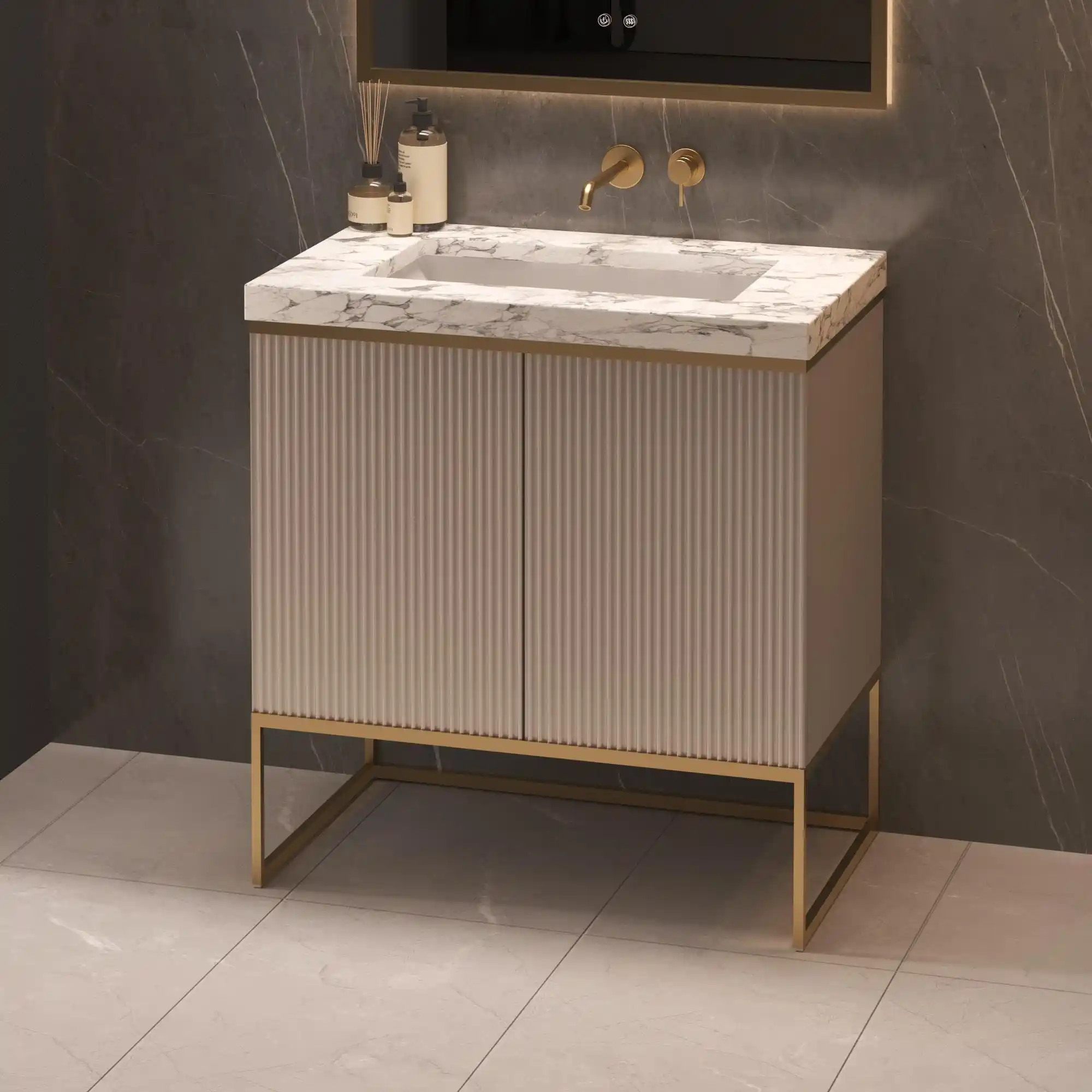
In most scenarios, floorstanding vanity units are preferred due to these reasons:
- They have deep drawers that can hold a lot of toiletries and cleaning products.
- They have more stable load paths
- They are easier to integrate with 750+ vanity units and double-bowl formats.
Freestanding options are most in demand for residential and commercial projects as they provide superior long-term storage capacity.
Secret 5: Wall Hung vs Freestanding Vanity: Cleaning, Maintenance & Durability
Both of the vanity unit types have different maintenance requirements.
Wall Hung Vanity
| Pros | Cons |
| The floor is easier to clean | The fixings receive a lot of long-term loads |
| They do not come in contact with standing water | They become vulnerable if the wall substrate deteriorates |
| They are visually modern and minimalist | They require strict moisture control around penetrations |
Freestanding Vanity Unit
| Pros | Cons |
| They are stable even with fewer fixings | Cleaning around the legs is difficult |
| They accommodate heavy stone tops and basins | There is a lot of water pooling risk at its base in poorly ventilated bathrooms |
| They are more forgiving on uneven floors |
As an installer, you must consider factors like moisture-proofing, sealing, and load distribution in either case while advising clients on the durability and lifecycle costs of a freestanding or wall hung vanity unit.
Which One Should You Choose
Choose a wall-hung unit if your project demands a touch of modernity and minimalism. Wall-hung units are also ideal for compact bathrooms. If the walls of your bathroom project can be reinforced, they can also handle a hanging vanity unit’s weight.
Choose a freestanding vanity unit if the client asks for maximum storage space in their bathrooms. If you see that a client has a decent bathroom space, go for a freestanding unit. Old UK properties often require traditional freestanding bathroom vanity units. If the bathroom project has complex or irregular plumbing requirements or requires future access, go for a freestanding unit to save your client from expensive future headaches.
Installers should always keep load, wall type, moisture exposure, plumbing alignments, and long-term client expectations into consideration while choosing the unit.
Conclusion
Before you suggest any client about their specific vanity unit, know and also make them aware that a wall-hung unit creates more sense of space but also requires structural reinforcement. Freestanding units have more storage, are stable, and easier to install.
Based on their requirements, style choices, and maintenance they require, suggest them accordingly. Give them all the information so that they can make the right unit choice that can save them from future failures in load distribution, plumbing, or vanity strength problems.
Suppliers such as Royale Stones UK provide a wide range of freestanding and wall-hung bathroom vanity units suitable for both modern and traditional UK installations.
Frequently Asked Questions
Are wall-hung vanities a good idea?
Yes. If you have small space or want a modern bathroom design, a wall mounted vanity units is a great choice. They provide visual space, are contemporary and minimalist, but consider your wall strength and plumbing that can be aligned within a tight tolerance.
Are freestanding vanities good?
Yes. Freestanding vanity units are much more stable, easier to install and work with in old UK homes where walls do not support heavy loads, and offer superior storage. They offer simpler plumbing access as well.
What are the disadvantages of wall-mounted taps?
Wall-mounted taps require a deeper wall cavity, highly accurate piping position, complete waterproofing behind the wall, and they can complicate maintenance a lot as compared to deck-mounted taps.
Should a freestanding vanity be attached to the wall?
Yes. Even though floorstanding vanity units are stable and support their own weight, they should be secured to the wall to prevent movement, reduce strain on plumbing, and comply with general safety practices.