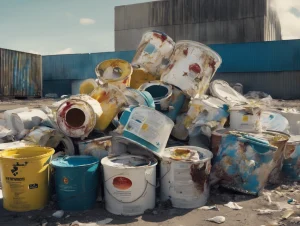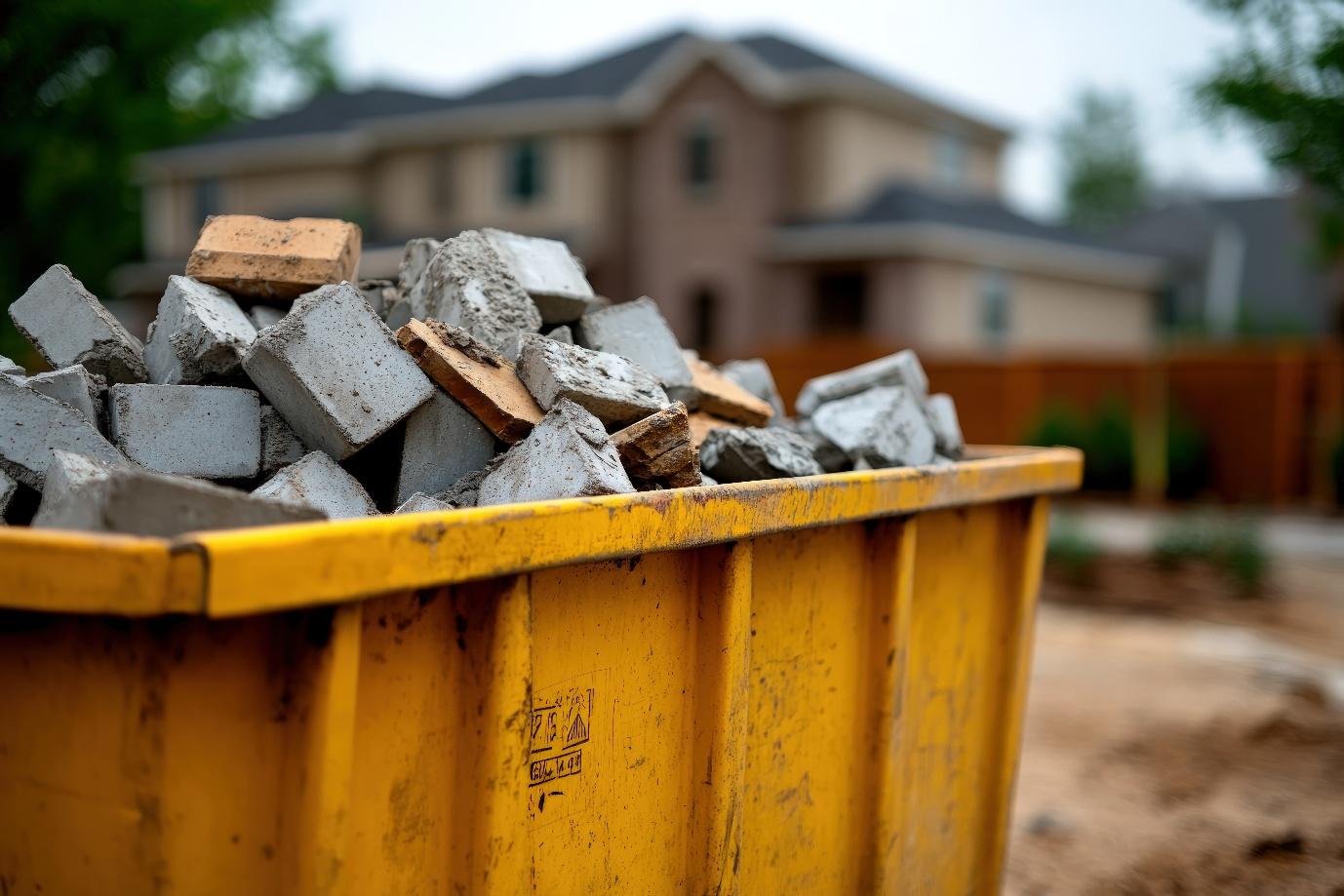
Construction sites are bustling environments where efficiency, safety, and sustainability must work hand in hand. However, one challenge that consistently affects all three is waste management. From leftover materials to packaging and demolition debris, how a company handles construction waste removal can make a significant difference.
With increasing regulations around waste disposal and a growing focus on sustainable building practices, it’s more important than ever for contractors, developers, and site managers to rethink how waste is managed across all phases of a project. The good news? With a few smart strategies, construction waste can be significantly reduced, reused, or recycled.
Understanding the Importance of Smarter Waste Removal
Construction waste accounts for a large portion of the UK’s total waste output each year, and managing it effectively is key to running a compliant and efficient project. The main goal is simple: reduce what goes to landfill while improving resource recovery. But achieving that balance takes planning and collaboration.
The first step is to integrate waste management into the project planning stage. Too often, it’s treated as an afterthought, addressed only when bins start overflowing or collection costs escalate. By mapping out how materials will flow through the site, you can identify where waste is likely to occur and find opportunities to reuse or repurpose materials before they become waste at all.
Another crucial aspect is segregation at source. Having clearly marked bins and skips for different waste helps keep recyclable materials clean and ensures compliance with waste regulations. It also makes collections more efficient, as waste removal partners can process sorted loads faster and at a lower cost.
Additionally, businesses that prioritise sustainability gain a clear competitive edge. Clients, investors, and local authorities increasingly favour contractors with robust environmental credentials. Effective waste management can be a simple but powerful way to demonstrate that commitment.
Practical Strategies for Efficient Waste Management
Every construction site operates differently, but several best practices can help any project streamline its waste processes.
1. Appoint a waste management coordinator
Assigning one person to oversee waste handling ensures accountability. This individual can liaise with suppliers and collection companies, monitor compliance, and keep the site team informed about proper disposal procedures.
2. Choose the right waste removal partner
A reliable and experienced waste management provider can make a huge difference. Look for companies that:
- Hold valid waste carrier licences and comply with environmental regulations.
- Offer tailored services for construction sites, including scheduled and on-demand collections.
- Provide waste reporting, recycling data, and sustainability tracking.
- Support circular economy initiatives by reprocessing materials locally where possible.
3. Reduce waste at the procurement stage
Ordering the correct quantities of materials helps prevent excess stock and offcuts. Working closely with suppliers to use returnable packaging or bulk deliveries can also cut down on unnecessary waste.
4. Reuse and recycle wherever possible
Many common materials, such as concrete, bricks, and metals, can be reused or recycled. For instance, crushed concrete can serve as aggregate for new projects, while timber can be repurposed for site hoardings or formwork. These practices not only reduce disposal costs but also align with sustainability targets.
5. Train and engage the workforce
Even the most efficient system will fail without proper participation. Running short toolbox talks, using clear signage, and celebrating recycling milestones all encourage a site-wide culture of waste awareness.
By adopting these habits early, businesses can achieve smoother operations, fewer site disruptions, and measurable environmental gains.
The Long-Term Benefits of Smarter Waste Practices
Optimising construction waste removal is for building resilience and reputation. Companies that invest in efficient waste systems enjoy multiple advantages that extend beyond the site boundary.
Reduced costs and downtime
Proper planning minimises over-ordering and lowers disposal fees. Segregated waste is also cheaper to process, and fewer site clearances mean smoother workflows and reduced risk of delays.
Improved health and safety
A tidy, well-managed site is a safer site. Keeping materials and waste organised reduces the risk of trips, falls, and fire hazards, protecting both workers and visitors.
Environmental and reputational gains
Demonstrating a proactive approach to waste aligns with sustainability goals and industry standards such as BREEAM and ISO 14001. Clients increasingly value environmentally conscious partners, which can give companies a real edge in securing new contracts.
Innovation and community benefits
Some construction companies are now collaborating with local organisations to reuse surplus materials — such as donating leftover timber or insulation to community projects. These partnerships help reduce landfill waste while supporting local sustainability initiatives.
Ultimately, smarter waste removal is about fostering a forward-thinking, environmentally aware construction industry. Each project that commits to better waste management brings us one step closer to a circular economy where materials are valued, reused, and respected.
Construction waste will always be a by-product of building, but it doesn’t have to be a burden. Through careful planning, collaboration, and innovation, contractors can turn waste management into a strategic advantage.
Whether it’s by partnering with the right provider, investing in staff training, or exploring recycling technologies, every small improvement contributes to a more sustainable and efficient future for the UK’s construction industry.