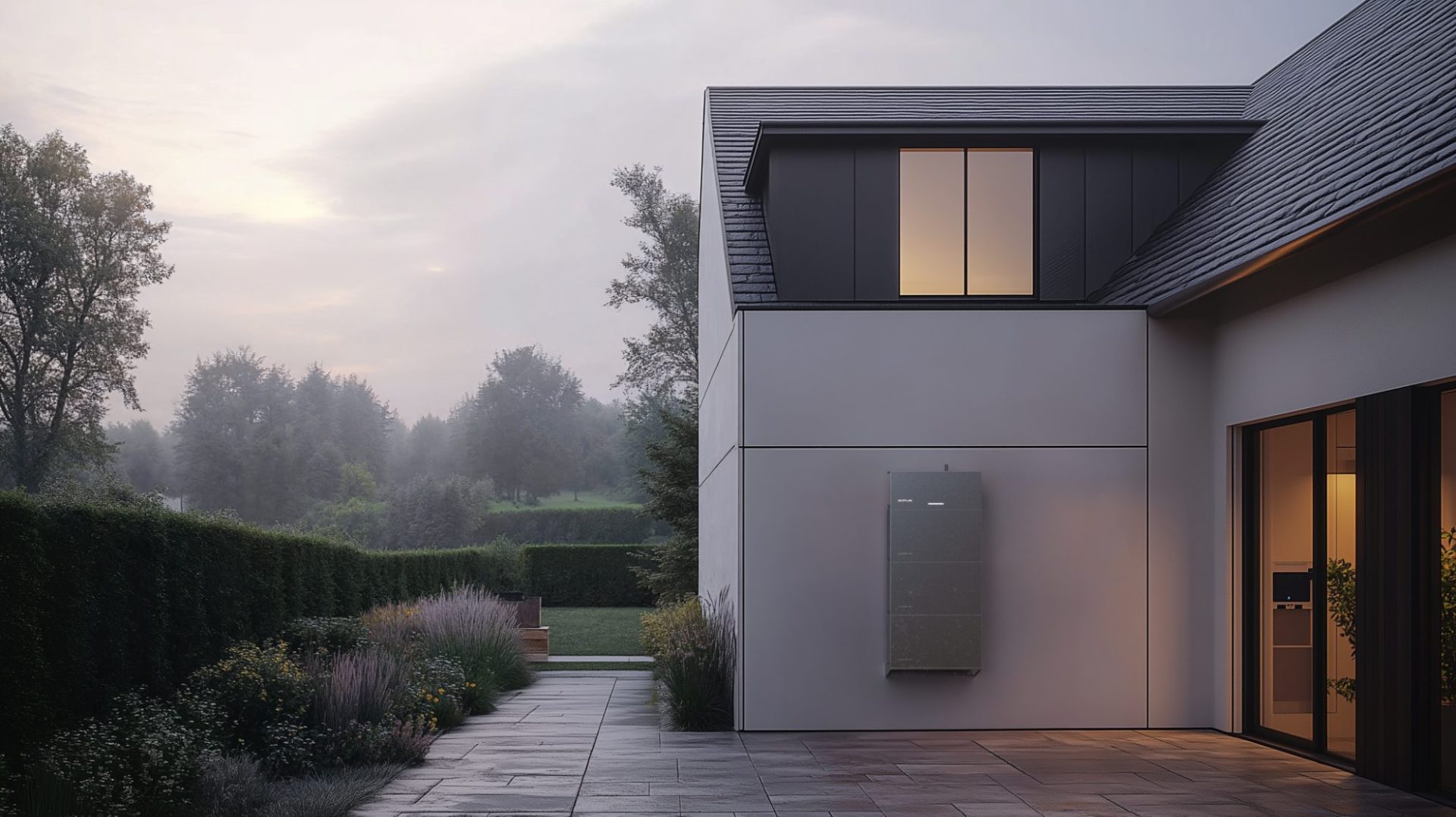
More households are turning to home battery storage to squeeze the most out of their solar panels and cut back on grid use across the UK. What often comes as a surprise, though, is just how much Britain’s famously unpredictable weather can shape the performance of those systems.
Whether it’s icy mornings in Scotland or warm, damp evenings along the Cornish coast, local weather has a direct influence on how efficiently a battery stores energy, how long it lasts, and how cost-effective it ends up being. And with energy prices continuing to shift — and sustainability becoming a bigger priority — understanding that connection matters more than ever.
Homeowners tend to run into the same hurdles: batteries that lose efficiency in temperature extremes, unexpected maintenance costs or shorter lifespans due to moisture or poor installation, and a general uncertainty about how to keep everything running smoothly throughout the UK’s ever-changing seasons.
Understanding Home Battery Storage
What Is a Home Battery Storage System?
A home battery storage UK system allows households to store excess electricity—usually from solar panels—for later use when generation is low or grid energy prices are high. By charging during the day and discharging at night, these systems help enhance self-consumption and reduce overall electricity costs.
Modern systems use smart inverters and management software to optimise when and how energy is stored or used, but physical factors such as temperature, humidity, and sunlight exposure still strongly influence how effectively a battery performs.
Common Battery Types
In many UK homes, lithium-ion batteries have become the top choice thanks to their long life and reliable efficiency. One type in particular — Lithium Iron Phosphate (LiFePO?) — is growing in popularity because it stays stable and resists overheating.
Older lead-acid batteries, on the other hand, struggle with the UK’s changing temperatures and need more regular upkeep, making them less practical for most households.
The UK Climate and Its Variability
The UK’s temperate maritime climate brings frequent weather shifts: cool, damp winters and mild, sometimes humid summers. While this keeps outdoor conditions comfortable for people, it can challenge energy systems.
- Winter: Low daylight hours, frost, and higher moisture levels mean less solar generation and colder conditions for storage units.
- Summer: Longer sunlight hours boost generation but introduce risks of overheating and humidity.
- Regional variation: Scotland experiences harsher cold; southern and coastal regions face salt exposure and humidity; cities may experience urban heat effects.
The combination of these factors makes the UK a uniquely demanding environment for battery performance and maintenance.
Temperature Effects on Battery Performance
Cold Temperatures Reduce Capacity
When temperatures drop, the electrochemical reactions inside lithium-ion batteries start to slow, which limits how much energy they can take in or release. Research suggests their efficiency can fall by 10–20% as conditions approach freezing, so you might end up storing less power even if your solar panels are producing normally.
Long stretches of cold don’t just affect day-to-day performance — they can cause lasting capacity loss as internal resistance builds up. In winter, that often shows up as slower charging and noticeably weaker output during the colder nights.
Heat Accelerates Degradation
High temperatures may be less common in the UK, but they can still create problems for home battery systems. Excess heat accelerates chemical wear inside the cells, shortening their lifespan and, in more serious cases, raising the risk of overheating or safety issues.
During summer heatwaves, batteries that are poorly ventilated or installed in direct sun can hit internal temperatures above 40 °C. That kind of sustained heat not only ages the system faster but can also jeopardise the terms of some warranties.
The Sweet Spot: Ideal Temperatures
Most residential batteries operate best between 20 °C and 30 °C. Systems with built-in thermal management—such as fans, cooling fluids, or insulated housings—perform better across seasons.
Practical Tip: Install your battery in a shaded or insulated area such as a utility room, insulated garage, or indoor cupboard—not in an unheated shed or loft where temperatures mimic outdoor extremes.
Solar Energy Generation and Weather
Sunlight Availability
The UK sees about 1,400 hours of sunshine a year, but most of it arrives in summer. In winter, solar output can fall by 60–80%, leaving far less energy for batteries to store.
Cloudy days widen the gap even more — panels may only produce 10–25% of their usual output. That’s why many households lean more on stored power or the grid during the darker months.
Smart Management and Forecasting
Modern systems can integrate weather forecasts to plan charging and discharging intelligently. For instance, they can anticipate several cloudy days and store more energy when sunlight is available.
Humidity, Moisture, and Storms
The Hidden Threat of Moisture
Humidity and condensation are often overlooked but can be as damaging as temperature extremes. Moisture can corrode electrical connections, reduce insulation resistance, and cause short circuits.
Outdoor installations should always use weather-resistant enclosures with IP65 or higher ratings. Indoor units should be kept in dry, ventilated areas—away from boilers or damp basements.
Wind, Rain, and Flooding
The UK has seen an increase in extreme weather events, including storms and flash flooding. Strong winds can disrupt electrical connections, while flooding can destroy unprotected battery systems.
Preventive Tips:
- Mount outdoor batteries above potential flood levels.
- Secure fixtures against wind damage.
- Inspect seals and drainage regularly.
Seasonal Performance Trends
| Season | Typical Weather | Battery Impact | Practical Action |
| Winter | Cold, low daylight, damp | Reduced capacity and charge rate | Insulate unit, prioritise energy-saving usage |
| Spring | Variable, improving sunlight | Moderate output and efficiency | Check system settings, schedule maintenance |
| Summer | Heatwaves, humidity | Risk of overheating, faster degradation | Ventilate and monitor temperature |
| Autumn | Cooling temps, more storms | Increased risk of moisture ingress | Inspect housing, clean filters and vents |
Regular maintenance checks at seasonal transitions can help prevent performance dips and costly repairs.
Adapting to UK Weather Conditions
Installation Best Practices
- Location matters: Install batteries in stable indoor environments whenever possible.
- Ventilation: Maintain airflow to prevent overheating.
- Elevation: Keep outdoor batteries above potential flood lines.
Insulation and Housing
Adding insulation or using temperature-controlled cabinets can stabilise performance. Some systems even use small internal heaters for winter use.
Tip: When installing, ask your installer about thermal insulation, drainage, and condensation prevention—these small steps can extend your battery’s life by years.
Smart Monitoring and Seasonal Maintenance
Smart monitoring systems provide real-time performance data—temperature, voltage, and efficiency—so you can catch early signs of stress. Set reminders for seasonal checks, especially before winter or after extreme weather.
Economic and Environmental Implications
Cost Efficiency Across Seasons
Poor weather adaptation can silently eat into your investment. A battery that loses efficiency or degrades early may save less energy overall, reducing financial returns. Maintaining optimal temperature and humidity levels ensures a consistent return on investment (ROI).
Environmental Benefits
An efficiently managed system not only saves money but also contributes to carbon reduction. By maximising stored renewable energy use, households can reduce grid dependency and lower emissions—even during less sunny months.
Real-World Example
A study from the University of Sheffield found that homes with well-insulated battery storage maintained up to 15% higher efficiency across the year compared to unprotected systems. This equated to an additional £120–£150 in annual savings based on 2024 UK tariff rates.
Future Outlook
Advances in Weather-Resistant Technologies
Manufacturers are now focusing on adaptive battery management systems (BMS) that automatically regulate temperature and humidity. These technologies can extend lifespan by up to 25%.
Integration with Smart Grids
As the UK grid modernises, home batteries will increasingly communicate with utilities to balance demand and supply—automatically adjusting based on weather data.
Policy and Incentives
Government initiatives encouraging renewable adoption, such as Smart Export Guarantee (SEG) tariffs, may evolve to reward systems optimised for reliability and weather performance.
Preparing for a Changing Climate
As the UK faces more frequent weather extremes — everything from sudden heatwaves to heavier bouts of rain — home battery storage systems are being pushed to adapt. High temperatures can speed up battery degradation, while moisture from storms or potential flooding puts electrical components at risk. It’s a shift that makes durability more important than ever, especially when choosing systems designed to handle wide temperature swings and harsh conditions.
EcoFlow is developing smarter, more climate-resilient battery technologies that integrate adaptive temperature control, real-time monitoring, and advanced enclosure protection. These innovations help maintain efficiency and longevity despite environmental fluctuations. For homeowners, pairing such technology with regular maintenance and seasonal system checks provides a strong defence against the growing unpredictability of the UK climate.
Conclusion
The UK’s weather might be famously unpredictable, but your home energy system doesn’t have to follow suit. By understanding how temperature, humidity, and sunlight influence battery performance, homeowners can make smarter choices about installation and upkeep.
A few simple, proactive steps — giving the battery proper housing, adding insulation, using smart monitoring, and scheduling regular check-ups — can go a long way. They help boost efficiency, cut running costs, and extend the system’s lifespan.
As the country moves further toward clean energy, adapting to the climate becomes part of the process. With a bit of awareness and preparation, a home battery can stay dependable and sustainable through rain, sunshine, or even the odd snowstorm.