Industrial demolition is one of the most complex forms of construction work. It involves removing large and often hazardous structures while protecting workers, nearby communities, and the environment. Success depends not only on technical expertise but also on how well multiple teams coordinate their responsibilities.
Engineering, safety, and environmental specialists each bring distinct roles to a demolition project. When their efforts align, the work proceeds smoothly and safely. When coordination fails, risks multiply, and progress slows.
Collaboration across disciplines is no longer optional in industrial demolition. It is the foundation of regulatory compliance, risk management, and operational efficiency.
The Importance of Multi-Disciplinary Collaboration
Industrial demolition projects rarely involve a single team or contractor. Engineers design removal strategies, safety officers oversee workplace standards, and environmental experts monitor air, soil, and waste conditions.
Each discipline depends on the others to function effectively. Engineers cannot begin dismantling without safety clearance, and environmental teams cannot manage waste without understanding the structural sequence. Communication ensures that everyone is working toward the same objective: the safe and compliant removal of industrial infrastructure.
This multi-disciplinary approach prevents conflicting priorities. It also enables early detection of potential risks that might be overlooked when teams work in isolation.
Engineering Oversight: Building the Technical Framework
Engineering teams provide the technical foundation of an industrial demolition project. Their responsibility is to understand how the structure behaves and how it can be dismantled without causing instability.
Before work begins, structural engineers assess load paths, material strength, and potential points of failure. They then design controlled removal sequences that protect both the remaining structure and the surrounding environment.
During demolition, engineers continue to monitor structural behaviour through visual checks and digital sensors. They also collaborate with safety teams to verify that temporary supports, cranes, and heavy machinery are used within safe operating limits.
Engineering oversight is about precision. It ensures that every cut, lift, and removal action follows a clear design, reducing the chance of unexpected movement or collapse.
Safety Management: Protecting Workers and Operations
Safety professionals maintain the site’s human and operational integrity. Their focus is on preventing accidents, injuries, and procedural breaches.
From the earliest stages, safety teams conduct risk assessments that identify potential hazards such as falling debris, confined spaces, and exposure to hazardous materials. They develop control measures and ensure that all personnel follow documented procedures.
Safety officers also coordinate training and induction programs. Every worker, engineer, and contractor must understand their responsibilities, site rules, and emergency procedures before entering the demolition area.
Continuous monitoring is a core part of their work. Daily inspections, toolbox meetings, and incident reporting systems maintain accountability. Safety teams act as both advisors and regulators, ensuring that the project never sacrifices well-being for progress.
Environmental Specialists: Managing Impact and Compliance
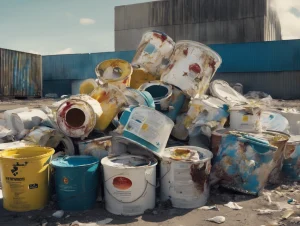
Environmental experts ensure that demolition work complies with local regulations and demonstrates ecological responsibility. Industrial sites often contain pollutants such as asbestos, fuel residues, and heavy metals that require careful handling.
Before demolition begins, environmental professionals conduct surveys to identify contaminants and develop remediation strategies. These plans cover waste separation, air quality control, and soil or water protection.
Throughout the project, environmental teams monitor dust levels, noise emissions, and waste transport. Their findings guide operational decisions such as when to pause work during high wind or how to adjust dust suppression systems.
Their collaboration with engineers ensures that structural dismantling does not cause contamination through uncontrolled collapse or spills. Working with safety teams, they help protect workers from exposure to hazardous substances while ensuring the site remains compliant with environmental legislation.
Communication as a Safety Mechanism
In complex industrial projects, communication is as critical as equipment. Every instruction, inspection, and adjustment relies on the exchange of accurate information between teams.
Regular coordination meetings keep everyone aligned. These discussions review structural stability, upcoming tasks, and environmental conditions. When departments share updates openly, the team can identify conflicts early and act before they escalate into incidents.
Digital communication tools have improved this process. Shared reporting platforms, cloud-based documentation, and real-time dashboards allow engineers, safety officers, and environmental specialists to access the same data. This transparency reduces errors and supports accountability across all levels of the project.
Clear communication is not only internal. It extends to regulators, auditors, and local communities, ensuring trust and transparency throughout the demolition process.
Documentation and Compliance Systems
Industrial demolition is heavily documented. Every inspection, permit, and test result forms part of the project’s compliance record. Accurate record-keeping demonstrates that the work meets engineering, safety, and environmental standards.
Documentation begins during planning with structural assessments, environmental reports, and safety plans. As the project progresses, daily logs and monitoring data are added to create a continuous record of activity.
Having shared access to documentation prevents delays and disputes. If regulators request information, teams can provide clear evidence of compliance without disrupting the project schedule.
Integrated documentation also promotes accountability. Each decision, from the removal sequence to waste disposal, is traceable and verifiable.
Managing Stakeholder Expectations
Industrial demolition projects often involve multiple stakeholders, owners, regulators, nearby businesses, and community representatives. Coordinating between engineering, safety, and environmental teams also means balancing these external interests.
Transparency is the most effective way to manage expectations. Regular progress reports, public updates, and compliance documentation help stakeholders understand the work’s purpose and progress.
Safety and environmental data can also reassure communities that demolition is being conducted responsibly. For developers and project owners, this communication reduces potential conflict and builds confidence in the project’s management.
Learning and Continuous Improvement
Coordination among teams does not end when a project is complete. Post-demolition reviews allow engineers, safety officers, and environmental specialists to evaluate what worked and what needs improvement.
Sharing lessons learned between departments strengthens the entire organisation. Over time, this process improves efficiency and reduces the likelihood of repeated errors.
Continuous improvement also keeps teams aligned with evolving technology and regulation. As new monitoring tools and digital systems emerge, collaboration ensures that each discipline adapts together rather than independently.
Industry Practice and Regulation
Industrial demolition in Australia operates within defined legal frameworks covering safety, engineering, and environmental performance. Compliance with these frameworks is mandatory for all licensed contractors.
Across Australia, licensed demolition companies follow this regulated structure to maintain consistency and accountability in industrial projects. Companies such as Get It Away operate within these standards, coordinating their engineering, safety, and environmental teams to ensure projects are completed responsibly and in full compliance with national requirements.
This integrated model represents the direction of the modern demolition industry: multi-disciplinary, transparent, and safety-driven.
Final Reflection
Industrial demolition is not just a technical challenge; it is a management exercise that depends on teamwork and communication. The coordination between engineering, safety, and environmental professionals determines how effectively risks are controlled and how smoothly the work progresses.
When these disciplines work together, industrial demolition becomes a controlled and accountable process. Each specialist contributes expertise that protects people, preserves the environment, and supports the long-term redevelopment of industrial sites.
Collaboration is more than good practice; it is the structure that defines safe and responsible demolition today.