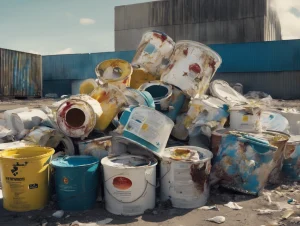
Effective waste management is essential in the construction industry, where large quantities of materials are used daily. Implementing recycling solutions can significantly reduce waste and enhance sustainability. By integrating these practices, construction sites can improve their operational efficiency and environmental impact.
Construction projects generate a substantial amount of waste, making efficient waste management necessary. Recycling solutions offer sustainable methods for handling debris. Among these, the use of cardboard shredder plays a role in reducing packaging waste on construction sites. By incorporating advanced recycling technologies, you can minimise environmental footprints while optimising resources.
The Role of Recycling in Construction
Recycling solutions contribute to effective waste management within the construction industry. These systems are designed to handle various materials commonly found at construction sites, such as wood, metal, and concrete. However, packaging materials, including cardboard and plastic, often dominate the waste stream due to their prevalence in transporting goods.
By focusing on recycling these packaging materials, construction sites can reduce their overall waste output and promote sustainability. Implementing recycling practices helps conserve natural resources and energy that would otherwise be used to produce new materials. This approach not only addresses environmental concerns but also aligns with industry regulations that increasingly emphasise eco-friendly practices.
Moreover, adopting recycling solutions improves site organisation and efficiency. When materials are systematically sorted and recycled, the clutter is reduced, leading to safer working environments. This streamlined approach enhances productivity by minimising disruptions caused by excessive waste accumulation.
Tools for Reducing Waste
Innovative tools and machinery are vital in advancing recycling efforts on construction sites. Equipment like shredders and compactors efficiently process large volumes of material, turning potential waste into reusable resources. These tools simplify sorting and handling processes, ensuring that recyclable items are managed effectively.
The benefits of using these tools extend beyond mere waste reduction. They help streamline operations by automating tasks that would otherwise require significant manual effort. This automation reduces labour costs and enables you to focus on other critical aspects of the project.
By investing in modern recycling technology, construction companies can enhance their competitive edge. Utilising state-of-the-art equipment demonstrates a commitment to sustainability and innovation, which appeals to environmentally conscious clients and stakeholders.
Benefits of Proper Waste Management
Efficient waste management practices offer notable environmental benefits by reducing landfill use and decreasing greenhouse gas emissions associated with material decomposition. Recycling helps preserve ecosystems by minimising the need for raw material extraction from natural habitats.
The economic advantages are equally compelling. Recycling reduces disposal costs as less material is sent to landfills, and recycled materials often yield financial returns when sold as raw inputs for new products. The savings generated can be reinvested into projects or used to enhance other operational areas.
Resource efficiency is another economic benefit achieved through recycling. By reusing materials within the supply chain, companies lower their reliance on new materials, thus reducing procurement expenses. This efficiency can lead to more competitive pricing structures for clients without compromising quality.
Implementing Strategies for Construction Sites
Integrating recycling solutions into construction site operations requires strategic planning and execution. Begin by conducting a thorough assessment of the site’s current waste management practices to identify areas for improvement. Establish clear guidelines for separating recyclable materials from general waste.
Training staff is crucial in ensuring compliance with new protocols. Provide comprehensive education sessions that cover the importance of recycling and demonstrate proper sorting techniques. Regular audits can help maintain adherence to these protocols over time.
Best practices also involve collaborating with local recycling facilities to streamline material processing offsite. Establishing strong partnerships with these facilities ensures that recyclable materials are handled correctly once they leave the construction site.