Modular timber construction revolutionizes how buildings are made by using prefabricated timber modules. This approach speeds up construction, enhances quality, and is environmentally friendly. In this article, discover how modular timber construction works, its key benefits, and examples of successful projects.
Key Takeaways
- Modular timber construction utilizes prefabricated timber modules, reducing construction time by up to 50% and minimizing environmental impact.
- The incorporation of digital technologies, such as Building Information Modelling and digital twin technology, enhances planning, efficiency, and ongoing performance monitoring of modular timber projects.
- Timber modules offer significant advantages, including high construction quality, customizable designs, and sustainable practices that decrease carbon emissions and promote eco-friendly building.
Understanding Modular Timber Construction
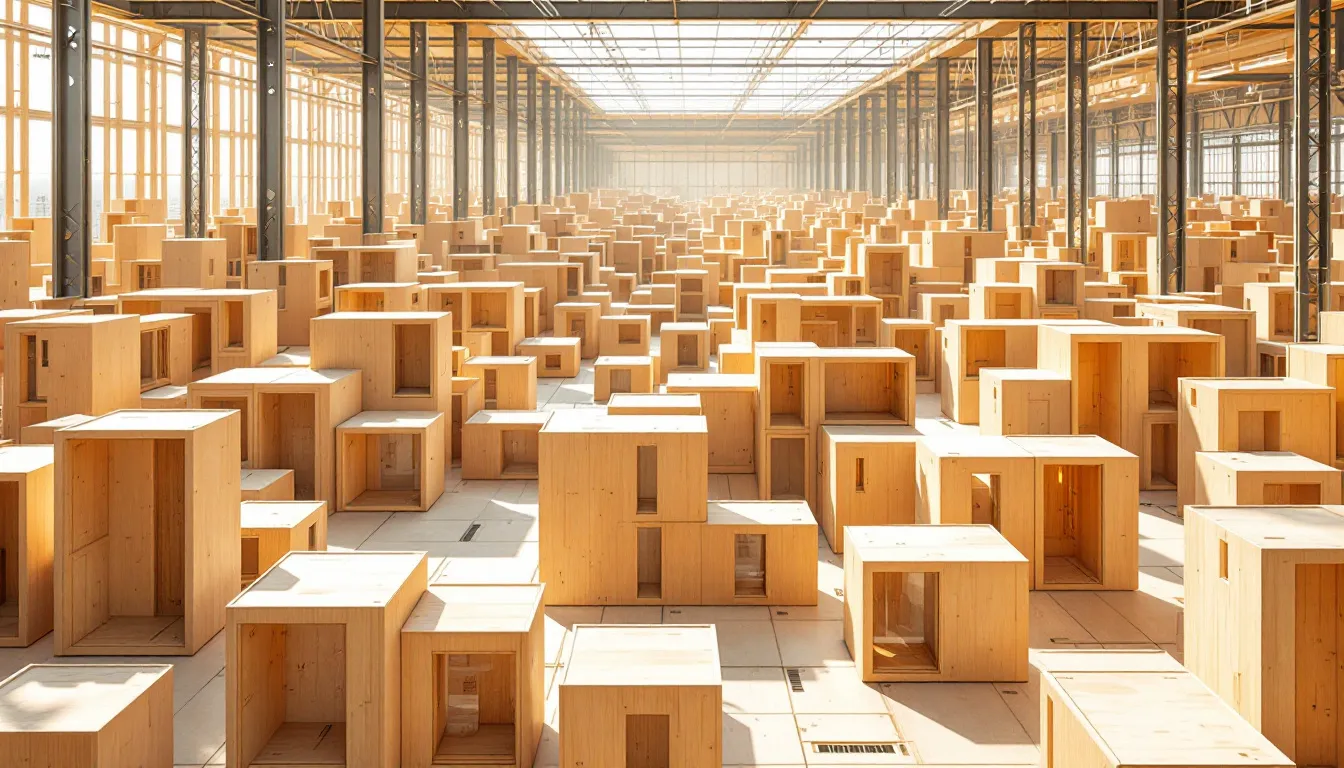
Modular construction is a revolutionary approach that leverages timber frames to create efficient building solutions. Timber modules are prefabricated in a factory setting, ensuring high construction quality and precision. Companies like DERIX and TG Escapes exemplify the commitment to sustainable and efficient projects, highlighting the eco-friendly nature of modular timber frame construction.
These prefabricated timber modules are used to form three-dimensional wooden room cells, which are then built and assembled on-site. This method significantly reduces construction time and minimizes errors, making it an economically viable and environmentally sustainable option.
The use of X-LAM elements in modular timber construction further enhances its versatility, allowing for various applications including roofs, ceilings, and walls. The rapid deployment and flexibility of timber modules make them ideal for diverse projects, from educational institutions to commercial buildings.
The Modular Construction Method
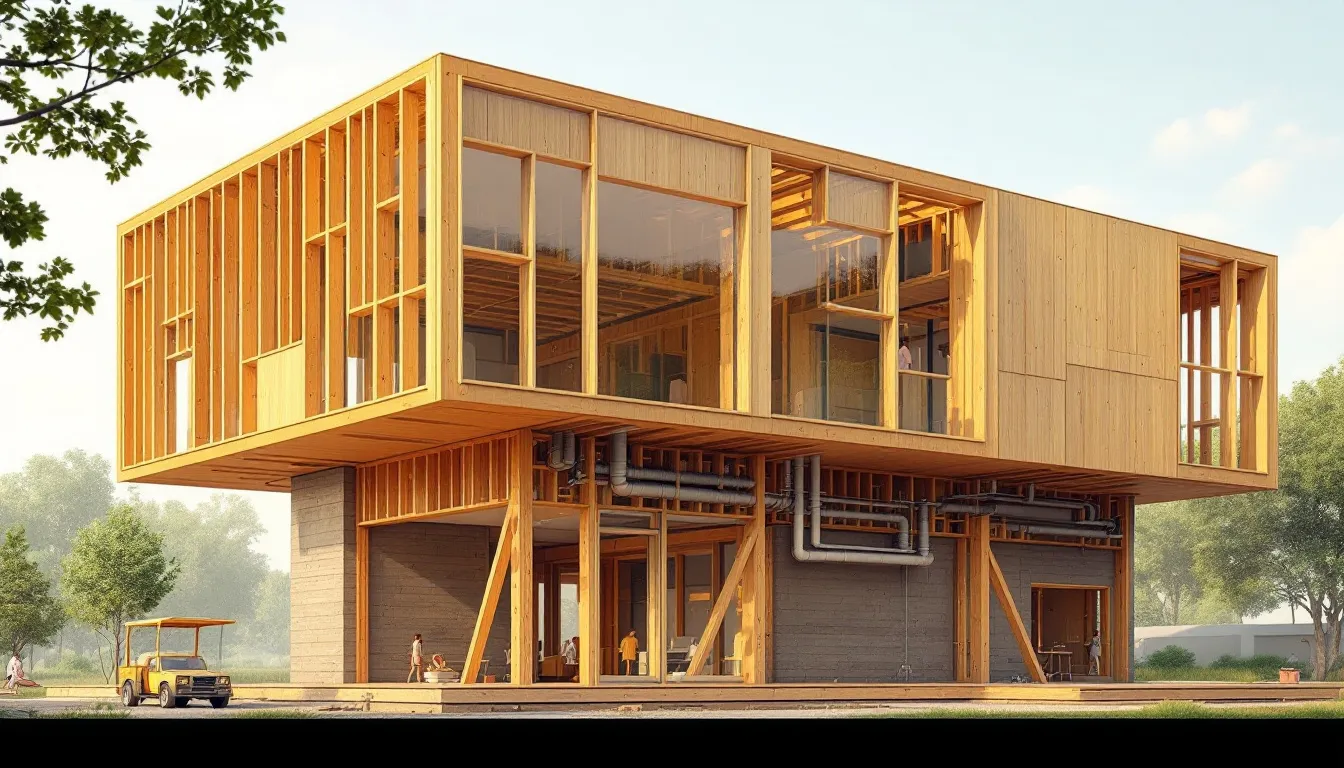
The modular construction method is a game-changer in the building industry, offering a streamlined and efficient approach to construction. Prefabricating entire room cells in a factory allows companies like DERIX to maintain the highest construction quality standards. This prefabrication process is not weather-dependent, allowing for consistent production schedules and improved energy efficiency.
Assembling these prefabricated modules on-site reduces overall construction time by up to 50% compared to traditional methods. This sectional modular process not only saves time and money but also minimizes disruptions at the construction site, leading to quicker occupation of newly constructed spaces and maximizing financial returns.
The use of X-LAM elements provides great freedom in building design, allowing for innovative and aesthetically pleasing structures that meet diverse client needs.
Prefabrication Process
The prefabrication process is a cornerstone of the modular construction method, enhancing efficiency and construction quality by minimizing waste and ensuring precision. In a controlled factory setting, up to 90% of timber modules can be prefabricated, allowing for meticulous quality control and reducing material waste.
This process begins with the precise manufacturing of timber modules, which are then weather-protected to further enhance efficiency and quality control. Minimizing exposure to adverse weather conditions makes the construction process more predictable and less prone to delays, ensuring timely and budget-compliant project completion.
On-Site Assembly
On-site assembly significantly reduces construction time and disturbances. The ability to assemble eight to ten modules in a single workday results in a speed of construction that is unparalleled compared to traditional methods.
This efficient process minimizes less disruption, allowing for faster project completion and quicker occupancy. The reduced construction disturbance not only benefits the surrounding community but also ensures that the project remains on schedule and within budget, adhering to principal contractor duties.
Advantages of Timber Modules
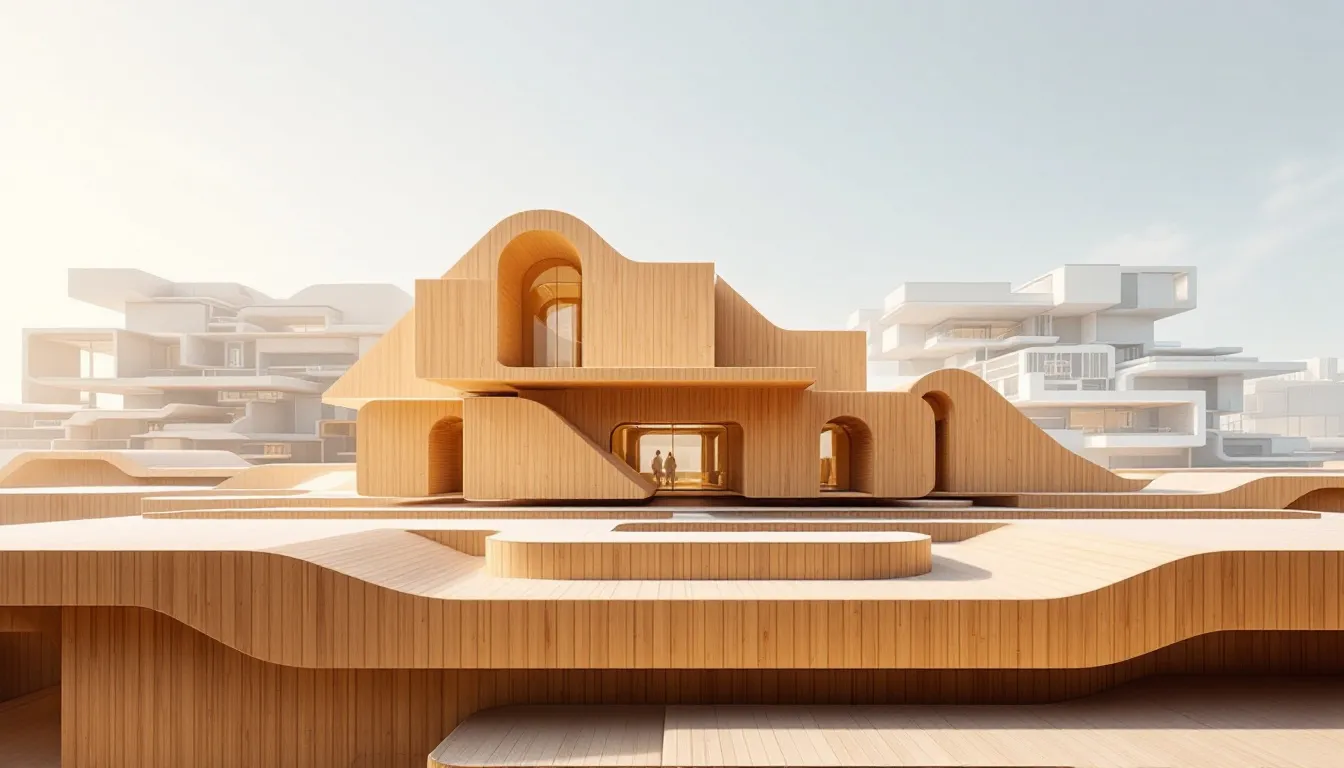
Timber modules offer numerous advantages that make them an attractive choice for modern construction projects. Here are some of the primary benefits:
- High construction quality achieved through controlled manufacturing conditions, which leads to improved indoor air quality and overall building performance.
- Accurate planning and design that streamline the construction process, reducing errors and unforeseen complications.
- Economically efficient construction due to the reduction of time and resources needed.
These advantages make timber module construction a compelling option for various building projects involving steel.
Additionally, modular timber construction significantly lowers carbon emissions, promoting sustainable building practices. Some projects can be completed up to 10 weeks faster than traditional methods, further reducing emissions and contributing to a greener environment. The focus on rapid completion and sustainability makes modular timber construction particularly suitable for urban settings and commercial projects.
Planning and Design with Timber Frames
Effective planning and design are crucial for the success of a modular timber construction project. Early planning ensures that all aspects of the project are considered, from foundation requirements to the dimensions of the modules, which are influenced by transport limitations. Tools like Building Information Modelling (BIM) are essential in this process, providing detailed and accurate project execution plans for a building consultancy project manager.
Foundation planning begins during the early design stage, ensuring structural stability and security once assembled on-site. With the right planning and design, modular timber construction can achieve remarkable results, offering flexibility and efficiency that traditional methods cannot match.
Digital Twin Technology
Digital twin technology is a powerful tool in modular timber construction, creating virtual representations of physical buildings that aid in planning and continuous monitoring. This technology allows for the creation of accurate models that facilitate effective project planning and efficient resource allocation.
Integrating digital twin technology allows builders to make better decisions and increase efficiency throughout project execution. This technology not only enhances planning but also helps in monitoring the building’s performance over time, ensuring that it meets the desired standards.
Customizable Floor Plans
One of the key advantages of modular timber construction is the ability to create customizable floor plans that cater to individual client preferences and site conditions. This flexibility allows for diverse design layouts that adapt to specific needs, whether residential, educational, or commercial.
Examples such as Allen Edwards Primary School and Stepgates Community Schools showcase how modular designs can be tailored to support specific educational needs, providing adaptable and functional available space and components and space, with a principal designer ensuring optimal functionality through turnkey solutions.
Individual production of timber modules enables flexible floor plan design, ensuring that each project meets unique client requirements.
Case Studies: Successful Projects Using Modular Timber Construction
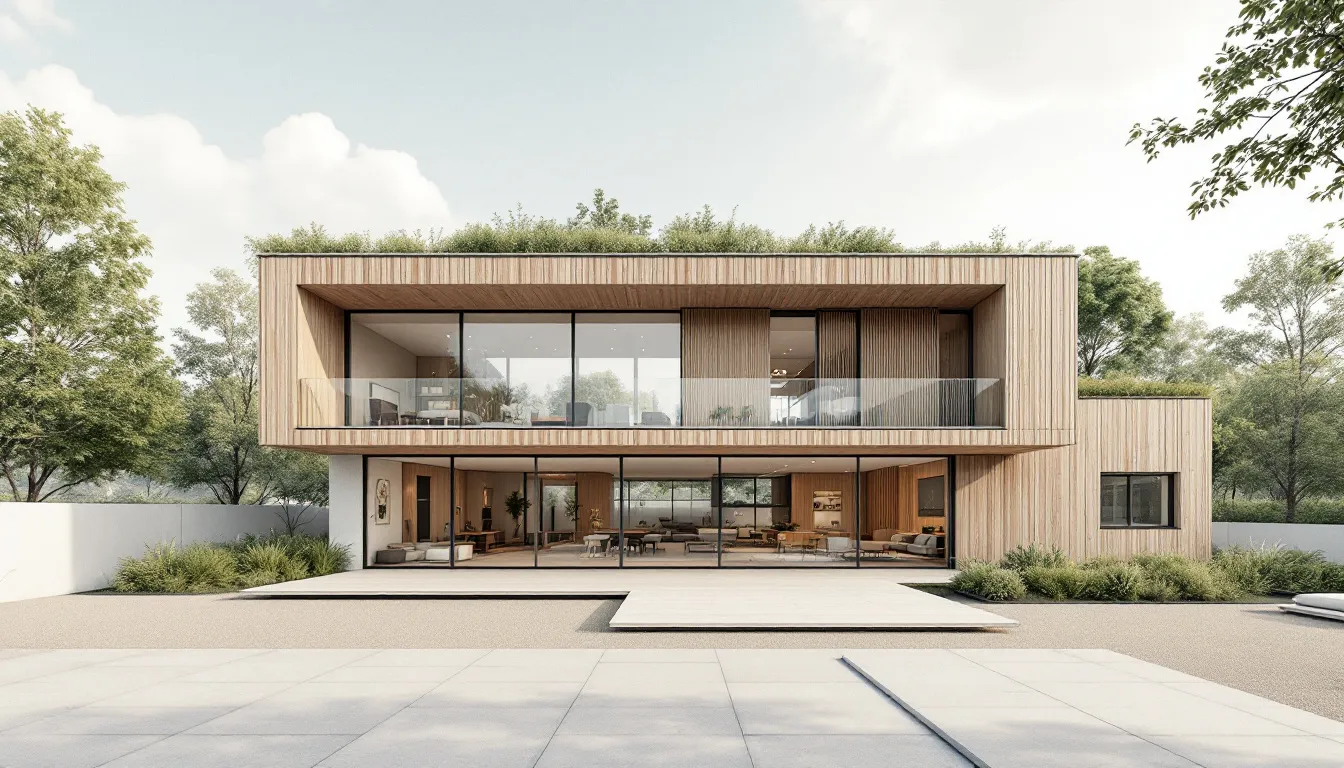
Real-world case studies demonstrate the versatility and effectiveness of modular timber construction. These projects highlight the benefits of using timber modules in various settings, from educational institutions to residential and commercial buildings.
Educational Institutions
Educational institutions have greatly benefited from the rapid deployment and minimal disruption offered by modular construction. Hills Road Sixth Form College, for instance, implemented a highly practical modular building solution that enhanced their facilities without interrupting the school day. This approach allows them to build more efficiently and effectively at a high level, as noted by the facilities manager, a construction line gold member.
Similarly, Beaver Road Primary School in Manchester utilized modular construction to quickly address the urgent need for school places, accommodating 550 students in just 14 months. The combination of modular timber construction and efficient project timelines results in enhanced educational facilities that positively influence student learning and school capacity.
Residential and Commercial Buildings
Modular timber construction has also been successfully applied in residential and commercial buildings, showcasing its flexibility and aesthetic appeal. The Hithe project, for example, effectively addressed constraints like size and budget while achieving aesthetic goals.
Other notable projects include Edgeborough School, which features a modular timber building with spacious changing rooms, and The Gramophone Works, a mixed-use development that combines refurbished and newly constructed spaces. These examples highlight how modular timber construction can enhance urban redevelopment and create functional, aesthetically pleasing spaces.
Site Preparation and Foundation Options
Proper site preparation ensures a stable and secure foundation for modular timber constructions. This involves assessing the site conditions and planning for the appropriate foundation support to prevent structural issues.
Foundation Types
Various foundation types can be used in modular timber construction, including reinforced concrete slabs and elevated options. The typical foundation is a reinforced concrete floor slab or storey ceiling, offering stability and structural integrity.
Alternative options such as elevated foundations, strips, or point foundations can also be used depending on the site conditions and project requirements. These foundations ensure that the modular buildings remain secure and free from structural issues like misalignment and leaks.
Importance of Wood Preservation
Wood preservation is a critical aspect of maintaining the structural integrity of timber buildings. Proper leveling is essential to prevent moisture accumulation and promote even wear of building materials.
Special care with the skirting detail of a timber building ensures effective wood preservation and appropriate maintenance. This helps in preventing moisture-related issues and ensuring the longevity of the timber structure.
Enhancing Aesthetics with Facade Design
Facade design plays a crucial role in elevating both the visual appeal and functionality of modular timber structures. Combining different materials and shapes enables architects to create visually striking buildings that blend seamlessly with their surroundings.
Cladding Options
Timber modular buildings can be clad in various materials, each offering unique aesthetic and durability benefits. Options like Thermowood, Western Red Cedar, and Siberian Larch provide resilience and low maintenance requirements, making them cost-effective choices for exterior finishes.
Other cladding options such as tongue and groove cladding, timber battens, and metal provide additional visual rhythm, texture, and modern looks, enhancing the overall aesthetic appeal of the building.
Solar Shading Solutions
Solar shading solutions improve energy efficiency and comfort in modular designs. Timber screens serve dual purposes by providing solar shading and adding privacy and aesthetic enhancement to building facades.
Innovative solar shading solutions integrated into facade designs help manage heat gain, enhance indoor climate, and add depth and visual interest to modular timber construction.
Ensuring Safety and Compliance
Safety and compliance are paramount in modular timber construction. Robust property protection strategies and effective fire-stopping measures are critical for enhancing fire safety and structural resilience. Consulting with brokers and insurers early in the design process helps address potential property risks, while clear design responsibilities and quality assurance processes ensure the safety compliance of modular constructions.
Efficient Building Technologies
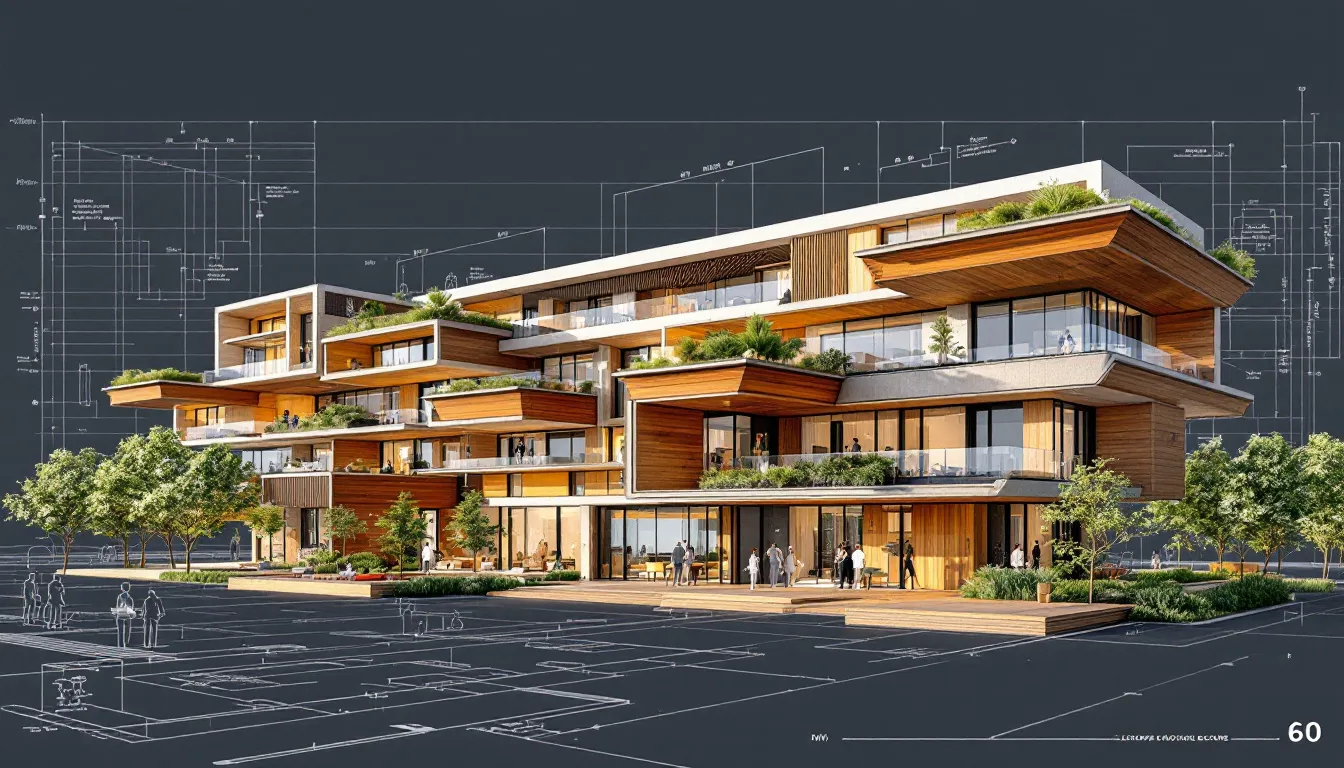
Efficient building technologies play a vital role in enhancing construction quality and sustainability. Digital twin technology enables real-time visualization and monitoring, improving decision-making and resource allocation.
Integrating energy-efficient technologies like solar panels into modular timber buildings supports net-zero emissions goals and minimizes disruption during the building process, leading to lower costs and reduced project risks.
Sustainability and Low Emissions
Sustainability and low emissions are at the heart of modular timber construction, making it a beacon of eco-friendly building practices. Timber construction significantly lowers the carbon footprint of buildings by absorbing CO2 from the atmosphere during the structure’s life cycle. In fact, using timber can prevent approximately 1.8 tonnes of CO2 from being released for every dry tonne of wood utilized in construction.
The modular construction method itself supports high degrees of standardization, which not only speeds up the building process but also builds to lower emissions during construction. Compared to traditional building approaches, modular methods can reduce carbon emissions by up to 45%.
Buildings made from timber can achieve net-zero carbon emissions during their use, enhancing their environmental benefits. When sourced sustainably, timber contributes to carbon-neutral or even carbon-negative building outcomes.
Summary
Modular timber construction stands out as a modern, sustainable solution that addresses the growing need for eco-friendly building practices. From the prefabrication process to on-site assembly, the method ensures high construction quality, reduced waste, and significant time savings. The advantages of using timber modules include not only economic efficiency and high construction quality but also substantial environmental benefits through lower carbon emissions.
As demonstrated through successful case studies in educational institutions and residential and commercial buildings, modular timber construction offers flexibility, rapid deployment, and aesthetic appeal. With the integration of advanced technologies like digital twins and customizable floor plans, it is clear that modular timber construction is poised to revolutionize the building industry. Embracing this innovative method can lead to a sustainable and robust future in construction.
Frequently Asked Questions
What is modular timber construction?
Modular timber construction is an efficient and sustainable building method that utilizes prefabricated timber modules, which are assembled off-site and transported for final assembly. This approach promotes quicker construction times and reduced environmental impact.
How does the prefabrication process benefit modular timber construction?
The prefabrication process significantly benefits modular timber construction by improving efficiency and quality while minimizing material waste. By allowing up to 90% of the modules to be prefabricated, it also substantially reduces construction time and costs.
What are the environmental benefits of using timber in construction?
Using timber in construction offers substantial environmental benefits, notably by lowering carbon emissions through CO2 absorption, preventing around 1.8 tonnes of CO2 release per dry tonne of wood. Additionally, it is a sustainable material when sourced from certified forests.
How does modular timber construction improve site preparation and foundation options?
Modular timber construction enhances site preparation by ensuring a stable foundation, with options such as reinforced concrete slabs and elevated systems that mitigate structural risks like misalignment and leaks. This versatility in foundation choices contributes significantly to the integrity and longevity of the structure.
What role does facade design play in modular timber construction?
Facade design is crucial in modular timber construction as it not only improves visual appeal but also enhances functionality with durable cladding options and energy-efficient solutions. This integration ultimately contributes to a more comfortable and sustainable building.