
Insulating your home is a good thing.
Pretty common knowledge.
However, few people truly understand the diverse benefits that a well-insulated property affords.
Beyond increased comfort, keep reading as we explore the myriad ways that quality insulation is a “win” for the home on multiple fronts.
Weighing Home Insulation Benefits
You don’t have to be a home improvement expert to understand that insulation = indoor comfort. From the dawn of civilization, humans have tried to pack leaves, mud, and other types of debris at points of egress for their caves and huts to try and block air and moisture from entering their living quarters.
The goal hasn’t changed. The methods have simply become more sophisticated. Furthermore, modern home insulation has led to a bevy of other benefits.
Energy efficiency is a primary objective of net-zero living. A well-insulated home ensures that no conditioned air is lost. It also limits the need for conditioning altogether. Look at R-values. The higher the figure, the more energy efficient. Most experts agree that R-values over 20 indicate “elite” energy efficiency for walls.
Hand-in-hand with energy efficiency comes cost savings. When energy is wasted, it contributes to higher utility bills. Energy Star estimates that a well-insulated home can save up to 15% on heating and cooling costs. This may not seem like a lot. Don’t be fooled. It will add up to hundreds (thousands depending on square footage) of dollars each year.
Acoustics is a benefit of insulation that may not immediately come to mind. When combined with acoustic wall panels and sound proof windows, sourcing “quiet” insulation products (denim, mineral wool) can significantly contribute to tranquil home interiors. This is especially relevant in the era of remote work and multi-generational living. Quiet homes are no longer “nice to have.” They are essential for productivity in day-to-day life.
Finally, there has been a rise in wellness architecture in recent years. This focuses on how buildings can contribute positively to occupant health. Insulation materials that form strong vapor barriers in the building envelope limit mold and mildew formation. This protects against respiratory issues. Insulation that does not give off harmful VOCs in the face of fire or extreme temperatures is yet another way insulation promotes indoor air quality.
Key Considerations When Choosing Insulation
At this point, you are probably sold on the multi-faceted benefits of comprehensive insulation.
However, it would be remiss to overlook a few pertinent considerations.
Start with climate. Some strong insulation materials in one region may perform quite poorly in another. Take standard fiberglass batts. They do a decent job in dry, arid climates. Yet, they underperform in humid regions, as they are quite susceptible to moisture absorption. This decreases thermal performance (R-value) and increases the risk of mold formation.
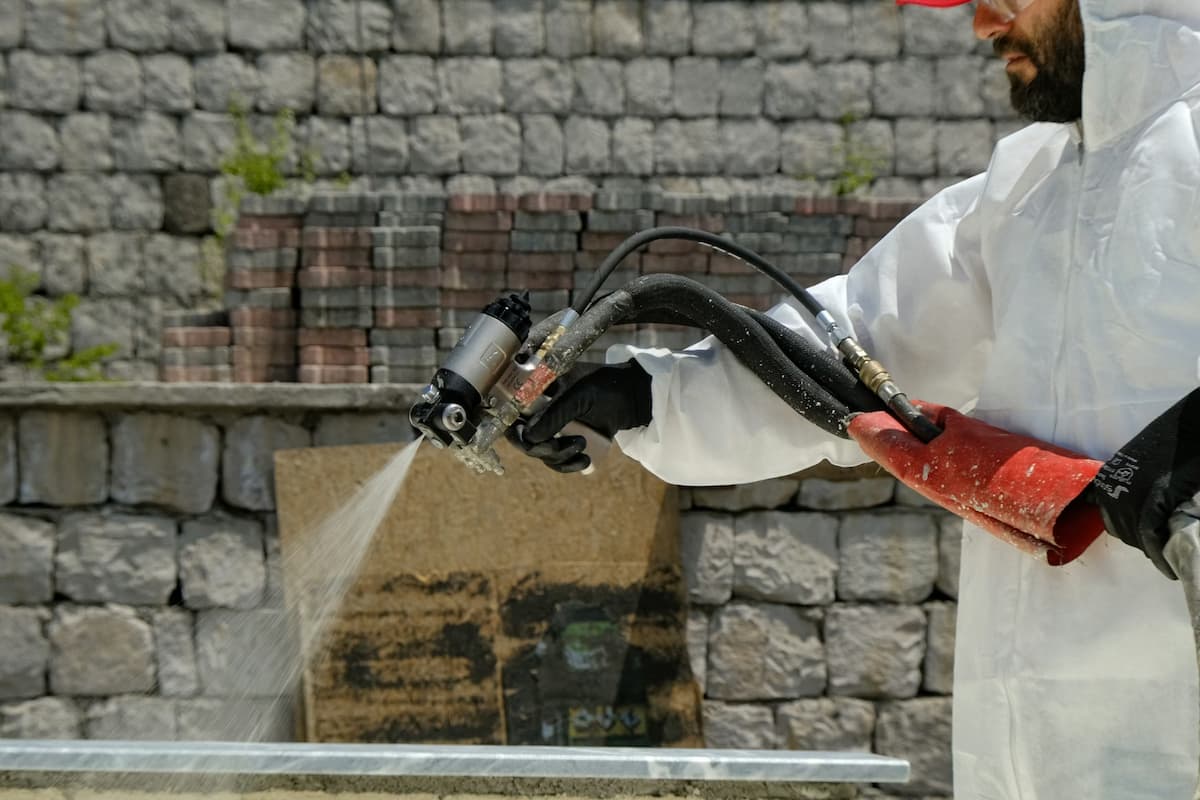
Installation methods are another consideration. Spray foam insulation is wonderful for reaching obscure crevices, but it requires specialized equipment. Mineral wool has many wonderful thermal and acoustic benefits, but it is more difficult to cut than standard fiberglass. It will likely require a specific stone wool knife for precision.
Upfront costs are also important to factor. Yes, many fiberglass and cellulose blow-in products will have a more economic price tag. However, they may not have the lowest lifetime costs. Consider everything from energy savings to replacement needs when exploring the total investment and ROI of insulation materials.
Common Types of Home Insulation
Although we have mentioned various types of insulation materials to this point, it is worthwhile to take a more detailed look at a list of some of the most widely used materials in homes:
- Fiberglass batts – Arguably the most prevalent product. Palatable upfront cost. Standard R-value. Can be irritating to skin and lungs.
- Cellulose – Made from recycled paper, making it eco-friendly. Can settle over time, losing effectiveness if not properly installed.
- Recycled denim – High R-value. Among the best non toxic insulation products. More expensive and sometimes hard to find a local supplier.
- Spray foam – Excellent air sealing. High R-value per inch. Quite expensive and requires specialized installation.
- Rigid foam board – High R-value with a relatively thin profile, making it great for delicate foundation and framework. Does not perform well in the face of moisture (namely EPS and uncovered polyiso versions).
- Mineral wool – Excellent fire resistance and soundproofing. Heavier and harder to work with than some other products.
Weigh the pros and cons of each of these materials. Factor in the considerations listed in the previous section for further assistance in informing your choice.
More Than Comfort: Insulation as a Holistic Home Upgrade
The benefits of insulating a home are numerous. However, there are several factors to take into consideration and a bevy of products from which to choose. Use the pro tips listed above for expert guidance on how to enjoy the diverse benefits of a well-insulated home. For more of the latest trends in the construction and renovation sector, explore the content at Construction Daily for additional thought leadership!