
Functionality vs. aesthetics. It no longer has to be a choice.
Cold, utilitarian spaces that “get the job done?” Nope.
Attention-grabbing edifices that are “all frills, no function?” That was so 70’s.
There are numerous materials and design techniques that can help architects and construction professionals achieve the best of both concerns. Keep reading as we explore the various ways that facilities can optimize productivity while ensuring a next-level sensory experience.
Durable Decking
Sustainability is a top consideration for all aspects of commercial design. Which materials last the longest? Which are mindfully sourced?
Many innovative materials meet the mark for sustainability while simultaneously enhancing aesthetics. Take bamboo deck boards. They qualify as class A fire-resistant decking. Bamboo grows quickly and does not contribute to deforestation. It is thermally treated for optimal stability, reducing the shrinking and swelling concerns inherent to standard cedar deck boards. They can have a natural weathered look or be treated with oils for classic rustic charm. This makes bamboo boards a comprehensive sustainable deck solution for multi-family, mixed-use, hospitality, and office environments.
Modular Layouts
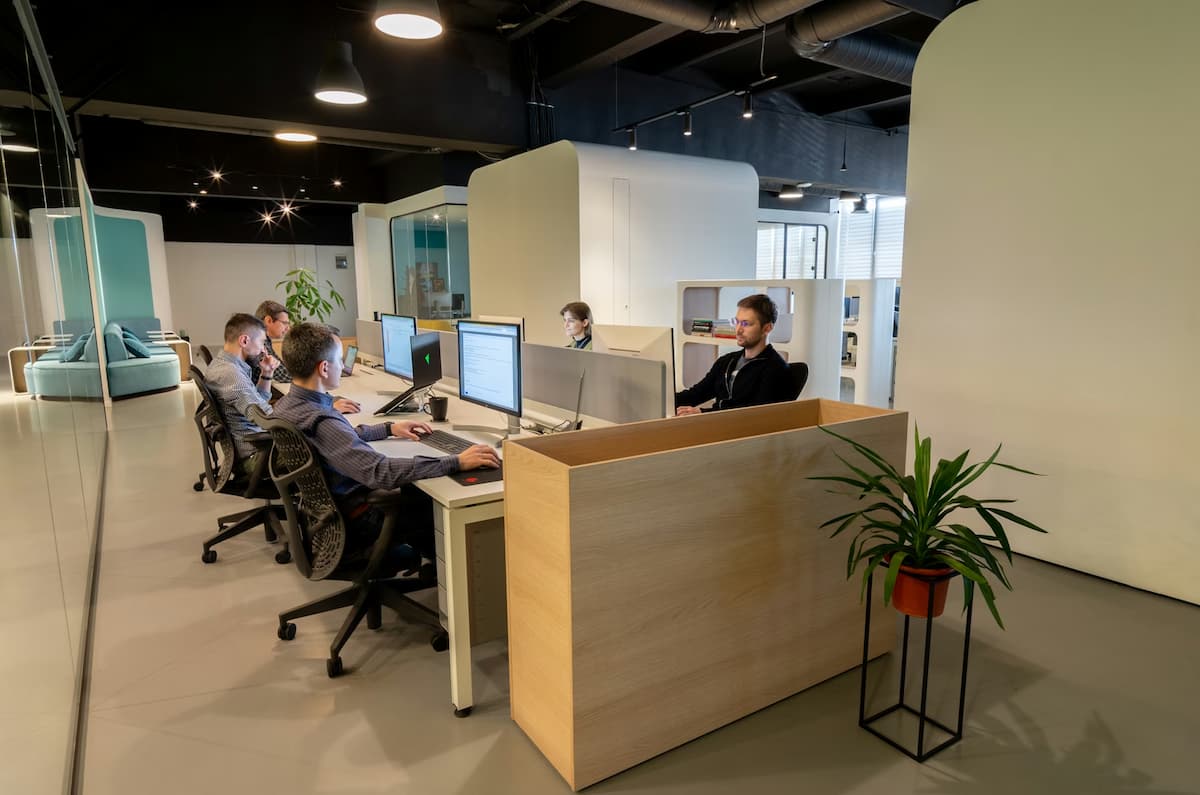
The modern business landscape evolves at breakneck speed.
Companies need a facility that can adapt with it.
As such, build with a focus on modularity. Demountable walls. Multi-purpose furniture. Decorative screen panels. These types of features are easily reconfigured and repurposed as the space requires.
In addition to the functional benefits, modular layouts can add cost efficiency to the construction process. Modular walls and panels are constructed completely off site. This significantly reduces construction times and limits labor requirements. Occupants can begin using modular facilities more quickly for streamlined revenue generation.
Biophilic Accents
The health benefits of connectedness to nature are part of the public consciousness. According to National Institutes of Health, some of the most well-known advantages of exposure to nature include:
- Improved cognitive function
- Heightened brain activity
- Lower blood pressure
- Positive mental health
- Increased enthusiasm for physical activity
As such, it is no surprise that tenants are requesting biophilic elements in the spaces they occupy. Exposed wood ceiling beams, moss wall panels, and stone accent walls are a few ways to adroitly add a touch of nature to a commercial interior. Transitions are equally important. Large windows and sliding glass doors that open to patios and verandas are straightforward ideas. Stylish stone pavers or 12×12 cedar patio tiles can also connect flooring between interior/exterior zones.
Stylish Soundproofing
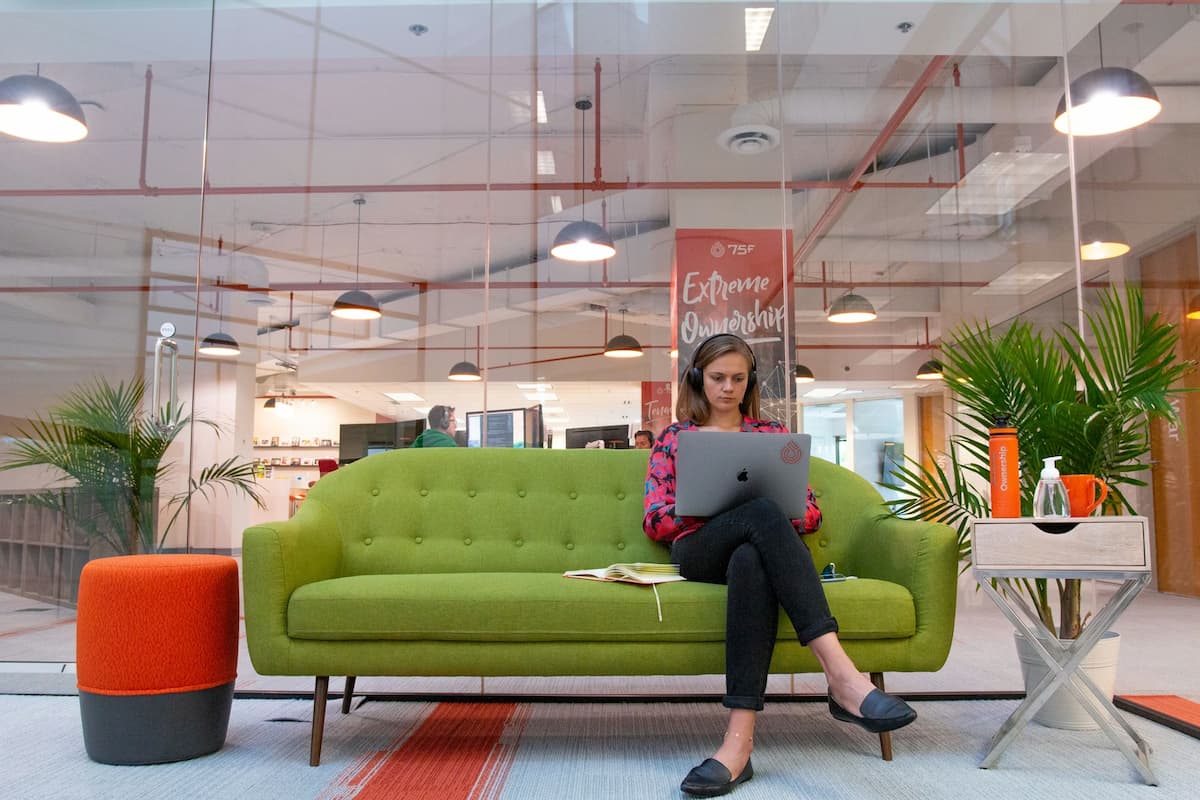
You may be surprised that we haven’t expressly mentioned the open concept to this point.
It’s honestly been a bit overdone. Sort of goes without saying that open layouts are going to be a priority in commercial design.
With that said, a chief drawback of the open interior is sound transfer. Noise can be an issue when there are fewer walls to block sound waves. Moreover, because spaces are increasingly multi-use, it is imperative to keep each zone of the structure as tranquil as possible.
Soundproofing has come a long way from egg cartons on walls. Or even from utilitarian drop ceilings. Acoustic wall panel art comes in 1- and 2-inch thicknesses. It mounts on the wall similar to a portrait. It can achieve a NRC approaching 1 with as little as 15-25% wall coverage–the ultimate in low-profile soundproofing. Other sound mitigation techniques include quiet insulation (mineral wool and recycled denim), window seal kits, and acoustic ceiling clouds.
Technology Integration
“Can I get the WiFi password?”
It’s the first question out of many patrons’ mouths. Take a cue.
Connectivity is no longer a nice little bonus. It is no longer an act of appreciation. It is an expectation from the modern consumer. Features such as high-speed wireless, mobile charging stations, and interactive digital screens enhance operational efficiency and user experience.
Accessibility Focus
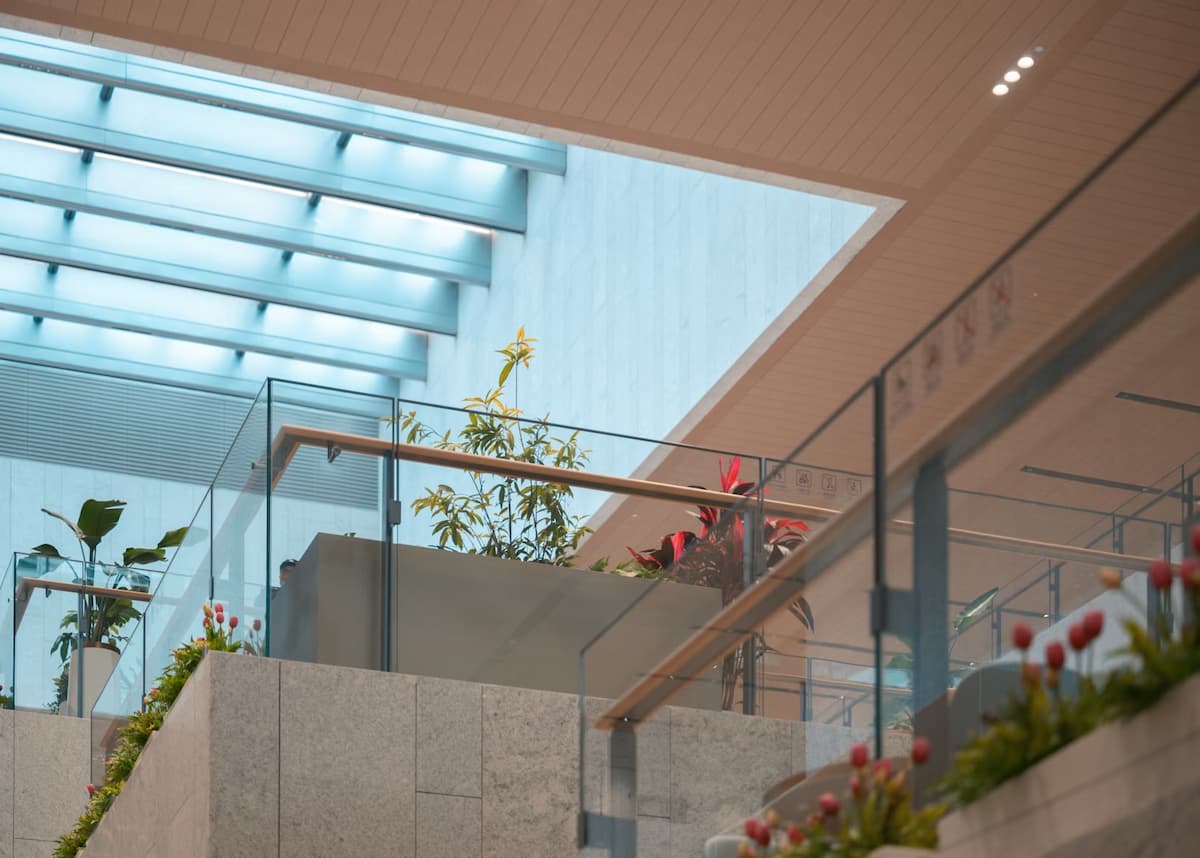
Today’s society is more egalitarian than ever.
Inclusivity and ADA compliance are not just government mandates. Consumers demand them.
Therefore, accessibility features are not an afterthought. They are a central component of elevated design.
Start with railings. Glass and sleek cable railings provide elegant aesthetics while giving people firm grab bars for mounting stairwells. Automatic doors and faucets add a touch of technology while ensuring zero-touch usage for all patrons. Wide hallways and clear pathways not only ensure access for people on carts and in wheelchairs, but they are perfect options for the aforementioned moss walls, which need to be kept out of the reach of prying hands.
Create a Next-Level Commercial Space Via Strategic Design
The days of choosing between form and function are long gone. There are numerous innovative materials and designs that can help construction professionals achieve both ends simultaneously. From bamboo deck boards to stunning accessibility features, consider the ideas listed above for functional design ideas that elevate your commercial facility. For more of the latest trends in commercial construction and design, explore the content at Construction Daily for additional thought leadership!