
Workplace safety has become a defining issue across UK industries as organisations respond to stricter regulations, increased enforcement and heightened awareness of employee welfare. From construction and manufacturing to logistics and facilities management, businesses are under growing pressure to demonstrate that effective measures are in place to control risk, particularly when working at height.
At the centre of this shift is the adoption of the height safety system, a structured approach that combines compliant equipment, regular inspection and ongoing verification. Rather than treating safety as a one-time installation, modern workplaces are increasingly recognising that maintaining high standards requires continuous oversight and professional assessment.
The Changing Landscape of Workplace Safety in the UK
The UK’s regulatory framework places clear responsibilities on employers to identify hazards, reduce risk and maintain safe working environments. Legislation such as the Health and Safety at Work Act and the Work at Height Regulations establishes the expectation that safety systems must not only be suitable at the point of installation but remain effective throughout their service life.
In recent years, enforcement bodies have placed greater emphasis on evidence-based compliance. This has driven demand for documented inspection regimes, certified testing and third-party verification, particularly for safety-critical systems used in high-risk environments.
As a result, many organisations are moving beyond basic compliance and adopting more robust safety strategies designed to deliver long-term protection and legal defensibility.
What Defines a Height Safety System?
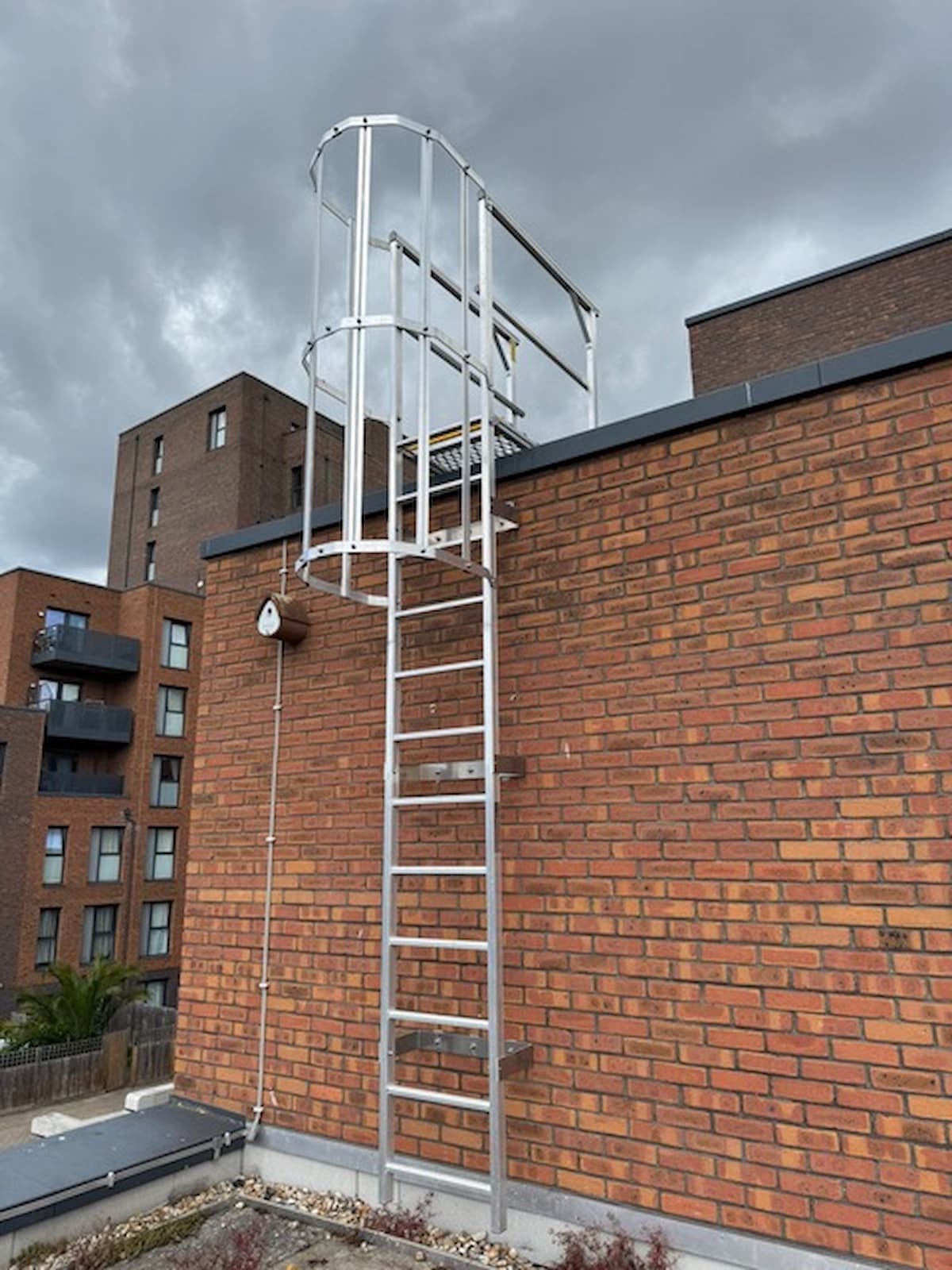
A height safety system is not defined by a single product or component. Instead, it reflects a holistic approach to risk management that includes properly specified equipment, professional installation, scheduled inspection, independent testing and accurate compliance documentation.
This approach is particularly important for fall protection measures, where system failure can result in serious injury or fatality. Equipment performance, structural integrity and ongoing compliance must all be verified throughout the operational life of the system.
Organisations that invest in a height safety system are better positioned to manage evolving site conditions, workforce changes and regulatory scrutiny.
Why Fall Protection Remains a Priority Risk Area
Falls from height remain one of the leading causes of serious workplace injuries in the UK. Roof access, elevated platforms, plant maintenance and temporary works all present ongoing exposure to fall hazards.
While many sites install fall protection equipment as part of initial construction or refurbishment, long-term safety depends on how that equipment is managed once operational. Environmental exposure, mechanical wear and structural movement can all degrade system performance.
This is why Fall Protection Equipment Testing plays a critical role in modern safety strategies. Regular testing confirms that systems continue to meet load requirements and functional standards, providing assurance that protective measures remain effective when needed.
The Scope of Fall Protection Equipment Testing
Effective fall protection strategies rely on more than installation alone. Ongoing inspection and testing ensure that systems continue to perform as intended under real-world conditions.
Professional fall protection equipment testing typically includes:
- Access Ladder Testing
- Guardrail Testing
- Eyebolt & Abseil Testing
- Safety Line Testing
- Davit Arm System Testing
- Roof Walkway System Testing
Each element supports a different aspect of access safety and fall prevention. Routine verification helps identify degradation early, supports compliance documentation and reduces the likelihood of unexpected system failure.
The Importance of Independent Testing and Verification
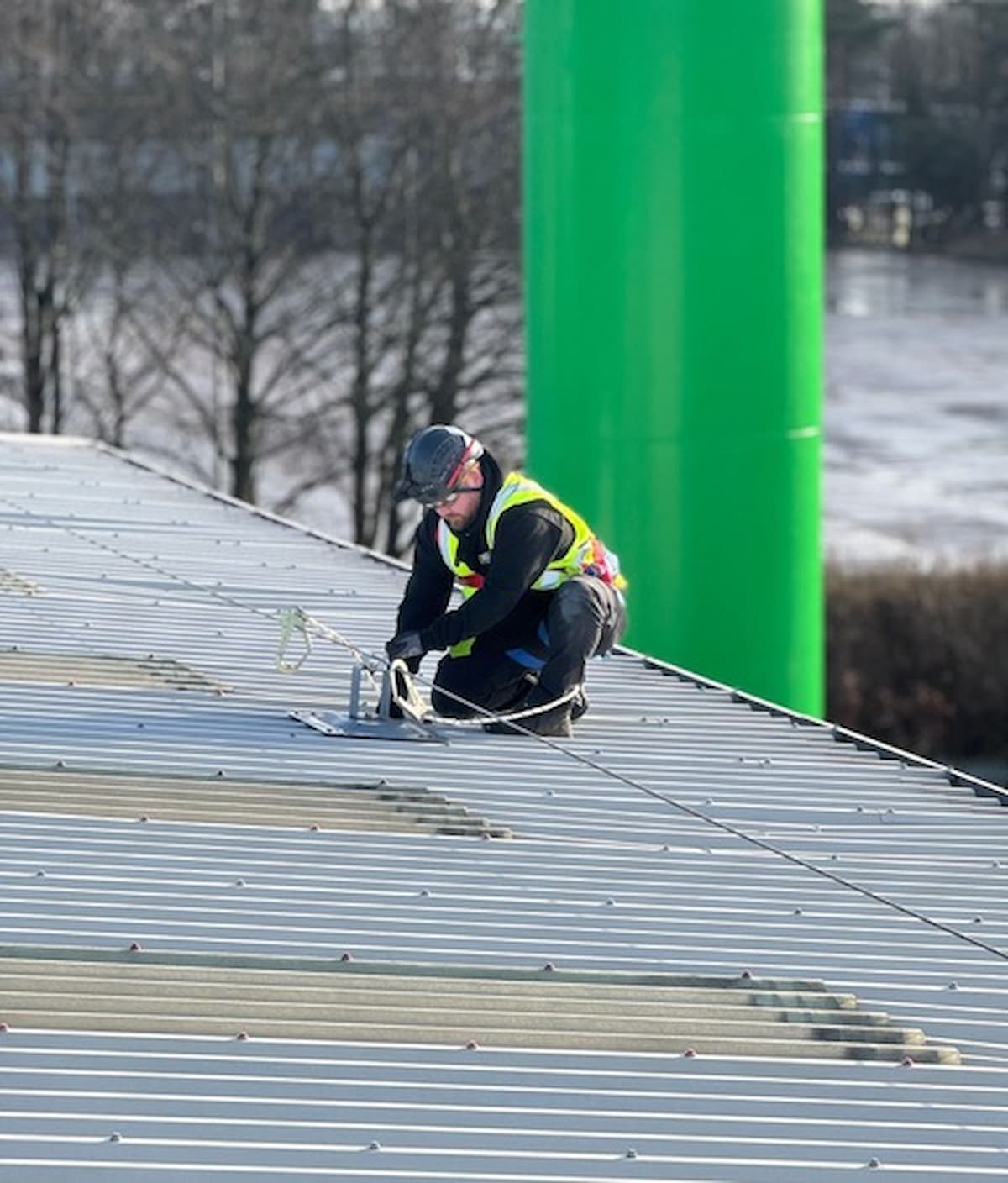
Independent testing provides objective confirmation that safety systems meet current regulatory and performance standards. It also delivers documented evidence that can be used during audits, inspections and insurance reviews.
Third-party verification supports proactive risk management by identifying non-compliance before it leads to incidents or enforcement action. As regulatory expectations increase, independent testing has become a core component of responsible safety governance.
Integrating Safety Systems Into Daily Operations
For safety systems to remain effective, they must be fully integrated into daily operations. This includes defined inspection schedules, clear procedures for use and access to competent support when issues arise.
Specialist providers such as Sky Height Safety support organisations by helping ensure that safety systems are assessed, tested and maintained in line with relevant standards. This structured approach enables duty holders to maintain confidence in their safety infrastructure over time.
Long-Term Benefits of Raising Safety Standards
Organisations that invest in height safety systems often experience reduced incident rates, improved workforce confidence, stronger audit outcomes and enhanced reputation across supply chains.
From a commercial perspective, demonstrable safety performance also supports tender requirements and contractual obligations, particularly in regulated industries.
Looking Ahead
Raising safety standards is no longer optional for UK workplaces operating in high-risk environments. The role of height safety systems supported by professional inspection and Fall Protection Equipment Testing continues to grow as organisations seek long-term compliance and risk reduction.
By adopting a proactive approach to safety system management, businesses can protect people, maintain operational continuity and meet the evolving expectations of regulators and stakeholders alike.