
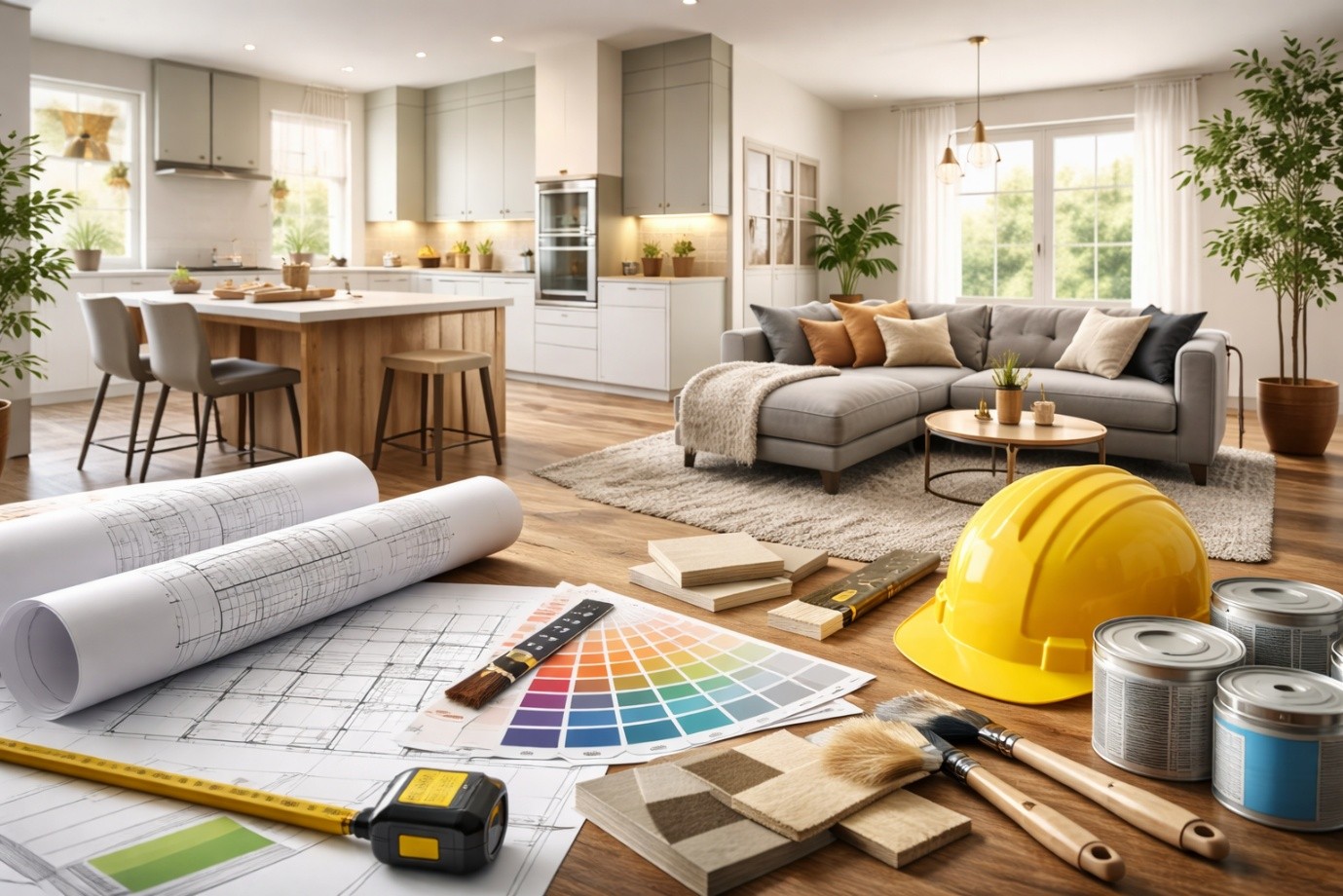
Planning a home interior renovation can be an exciting opportunity to transform your living space, improve functionality, and reflect your personal style. However, without careful planning, renovations can become stressful, costly, and time consuming. Success depends on clear objectives, thoughtful design, and professional guidance.
Specialist companies such as Amora Designs offer expert advice and tailored solutions, helping homeowners achieve a cohesive, stylish, and functional interior. Their experience ensures that every project is completed efficiently, with attention to detail and long lasting results.
This guide outlines key factors to consider when planning a home interior renovation, helping you make informed decisions that maximise both comfort and property value.
Define Your Renovation Goals
Before starting any renovation, it is essential to clarify what you want to achieve. Goals will guide design choices, budget allocation, and project scope.
Questions to consider include:
- Which rooms or areas need improvement?
- Are you prioritising aesthetics, functionality, or both?
- Will structural changes be required, or is it purely cosmetic?
- How long can you realistically allocate to the project?
Clear objectives ensure the renovation process remains focused and aligned with your vision.
Set a Realistic Budget
Budgeting is a critical step in planning a renovation. Unexpected costs can quickly escalate if not accounted for, so it is essential to plan carefully.
Tips for budgeting include:
- Include all costs: materials, labour, design fees, and permits
- Allocate a contingency fund of 10–15% for unforeseen expenses
- Research costs for high quality materials and finishes
- Prioritise spending on critical areas while leaving room for optional upgrades
A well thought out budget helps maintain control and prevents financial stress.
Consider Your Style and Design Preferences
A successful interior renovation reflects your personal taste while enhancing the functionality of your home. Start by identifying a style that suits your lifestyle and complements the property.
Factors to consider:
- Colour schemes and textures
- Furniture style and placement
- Lighting design for both function and ambience
- Storage solutions and spatial flow
Working with designers like Amora Designs ensures that style and practicality are harmoniously combined.
Plan the Layout and Space Efficiently
Layout planning is essential for maximising the usability of each room. Efficient design makes spaces feel larger, more organised, and comfortable.
Key tips include:
- Assess the flow between rooms and zones
- Consider multi functional furniture for flexible use
- Incorporate adequate storage to reduce clutter
- Plan for natural light and ventilation
Thoughtful layout planning enhances daily living and overall satisfaction with the space.
Choose Quality Materials and Finishes
Selecting high quality materials ensures durability and aesthetic appeal. The right choices reduce maintenance, improve energy efficiency, and enhance the overall finish.
Considerations for materials and finishes include:
- Flooring suited to the room’s function
- Durable surfaces for kitchens and bathrooms
- Paints and finishes that withstand wear and tear
- Energy efficient lighting and appliances
Quality materials contribute to a professional, long lasting result.
Engage Skilled Professionals
Professional expertise is invaluable for a smooth renovation. Designers, builders, and contractors ensure work is completed to a high standard while avoiding common pitfalls.
Benefits of working with professionals include:
- Expert advice on design and materials
- Efficient project management and scheduling
- Compliance with building regulations and safety standards
- High quality workmanship for long lasting results
Specialist companies like Amora Designs can manage the entire renovation process, providing peace of mind and reducing stress for homeowners.
Plan for Practical Considerations
Renovations can be disruptive. Planning for practical aspects reduces stress and ensures minimal inconvenience.
Considerations include:
- Temporary living arrangements if key areas are out of use
- Protecting furniture and flooring from dust and damage
- Scheduling work to minimise disruption to daily routines
- Ensuring safety, especially for children and pets
Preparation helps maintain a comfortable and functional home during the renovation.
Incorporate Lighting and Ambience
Lighting plays a vital role in interior design. Properly planned lighting enhances mood, highlights design features, and improves functionality.
Lighting tips include:
- Combining ambient, task, and accent lighting
- Maximising natural light with window treatments and placement
- Choosing energy efficient bulbs and fixtures
- Using dimmers for flexible lighting levels
Well designed lighting transforms a room and elevates the overall experience.
Consider Long Term Maintenance
Planning for maintenance ensures that your renovated space remains attractive and functional for years. Durable materials and finishes reduce cleaning time and prevent premature wear.
Maintenance tips include:
- Selecting easy to clean surfaces for kitchens and bathrooms
- Choosing finishes resistant to fading and damage
- Regularly inspecting and maintaining fixtures and fittings
- Implementing storage solutions to reduce clutter
A focus on maintenance protects your investment and prolongs the life of your renovation.
Final Thoughts
A successful home interior renovation requires careful planning, clear goals, quality materials, and professional expertise. By defining your objectives, budgeting effectively, and working with experienced designers such as Amora Designs, homeowners can create a space that is both beautiful and functional.
Thoughtful design, attention to detail, and practical planning ensure that the renovation process is smooth, stress free, and delivers a home interior that enhances daily living and adds long term value.