
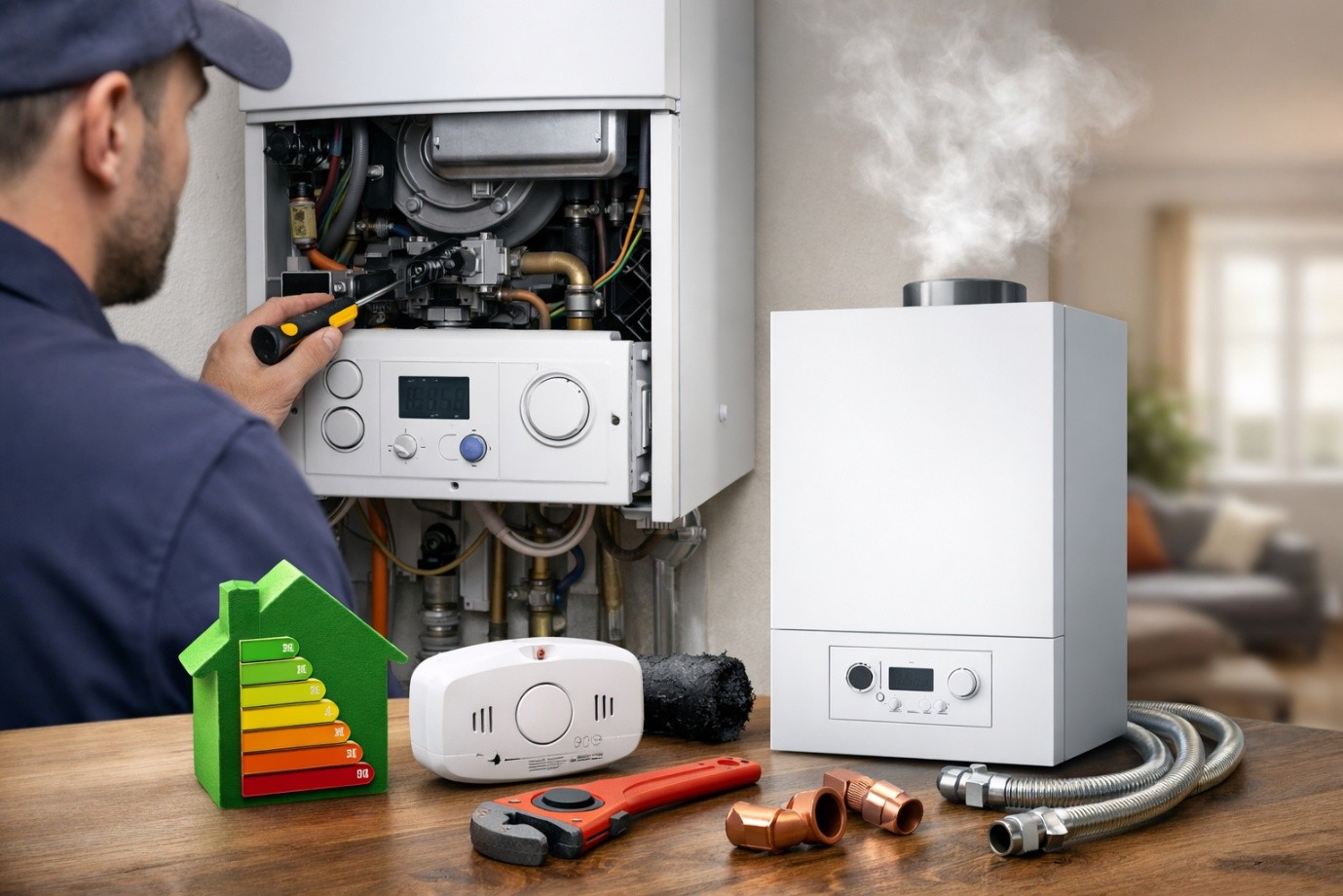
A reliable boiler is essential for keeping your home warm and ensuring a steady supply of hot water. Over time, even well installed boilers can lose efficiency, develop faults, or struggle to meet household demand. When issues arise, homeowners are often unsure whether servicing the existing boiler is sufficient or whether a full replacement is the better option. Making the right decision can save money, improve comfort, and prevent unexpected breakdowns.
For households seeking professional guidance, boiler services in Manchester provide expert assessment and support, helping homeowners understand the condition of their current system and the most cost effective next steps.
This guide outlines the key factors to consider before deciding whether to service or replace your boiler.
Understanding the Age of Your Boiler
The age of a boiler is one of the most important factors in determining its future reliability. Most modern boilers are designed to last between ten and fifteen years when properly maintained.
If your boiler is relatively new and has been serviced regularly, a routine service may be all that is required. Older boilers, however, are more prone to wear, inefficiency, and recurring faults.
Consider:
- How old the boiler is
- Whether it has a history of frequent breakdowns
- Availability of replacement parts for older models
An ageing boiler may still function, but it could be costing more to run and repair than a newer alternative.
Frequency and Cost of Repairs
Occasional repairs are normal, but repeated faults can indicate deeper problems. If you find yourself calling an engineer regularly, it may be time to reassess whether ongoing repairs are worthwhile.
Ask yourself:
- How often does the boiler break down
- Are repair costs increasing each year
- Do faults disrupt heating or hot water frequently
When repair costs begin to add up, replacing the boiler can often be a more economical long term solution.
Energy Efficiency and Running Costs
Older boilers are generally far less energy efficient than modern systems. Advances in technology mean newer boilers use less fuel to produce the same level of heat, reducing energy bills and environmental impact.
Signs that efficiency may be an issue include:
- Rising energy bills without increased usage
- Inconsistent heating across the home
- Long wait times for hot water
Improving efficiency through servicing may help in the short term, but replacement often delivers greater savings over time.
Safety and Compliance
Boiler safety is critical. Faulty or poorly maintained boilers can pose serious risks, including carbon monoxide leaks. Regular servicing is essential to ensure safe operation, but persistent safety concerns should not be ignored.
Important considerations include:
- Whether the boiler meets current safety standards
- Results of previous safety checks
- Presence of warning signs such as strange smells or soot marks
If safety issues are identified, replacement is often the safest and most responsible option.
Performance and Comfort Levels
A boiler should comfortably meet the heating and hot water needs of your household. Changes in household size, additional bathrooms, or home extensions can place extra demand on an older system.
Consider whether your current boiler:
- Struggles to heat the property evenly
- Loses pressure frequently
- Cannot cope with multiple taps or showers in use
If performance no longer matches your needs, upgrading to a more suitable system can significantly improve comfort.
The Role of Professional Servicing
Regular servicing plays a vital role in extending boiler lifespan and maintaining efficiency. A professional service includes inspection, cleaning, and testing of key components to ensure everything operates correctly.
Benefits of servicing include:
- Identifying minor issues before they become major faults
- Improving efficiency and reducing fuel consumption
- Maintaining manufacturer warranties
- Ensuring safe and compliant operation
Reliable boiler services in Manchester help homeowners keep systems running smoothly and make informed decisions about future maintenance or replacement.
Environmental Considerations
Environmental impact is becoming an increasingly important factor for many homeowners. Older boilers typically produce higher emissions compared to modern, energy efficient models.
Replacing an outdated boiler can:
- Reduce household carbon emissions
- Improve overall energy efficiency
- Support long term sustainability goals
For environmentally conscious households, this can be a strong reason to consider upgrading rather than continuing with repairs.
Budget and Long Term Value
Budget plays a significant role in decision making. While boiler replacement involves a higher upfront cost, it often delivers better long term value through reduced energy bills, fewer repairs, and improved reliability.
When comparing options, think about:
- Immediate servicing or repair costs
- Potential future repair expenses
- Long term energy savings from a new boiler
A balanced view of short term affordability and long term value helps ensure the right choice.
Final Thoughts
Deciding whether to service or replace a boiler requires careful consideration of age, efficiency, safety, and overall performance. While servicing is essential for maintaining a functioning system, it may not always be the most cost effective or reliable solution in the long run.
By seeking professional advice and using trusted boiler services in Manchester, homeowners can gain a clear understanding of their boiler’s condition and the best path forward. Whether through regular maintenance or a well planned replacement, making an informed decision ensures warmth, safety, and peace of mind for years to come.