
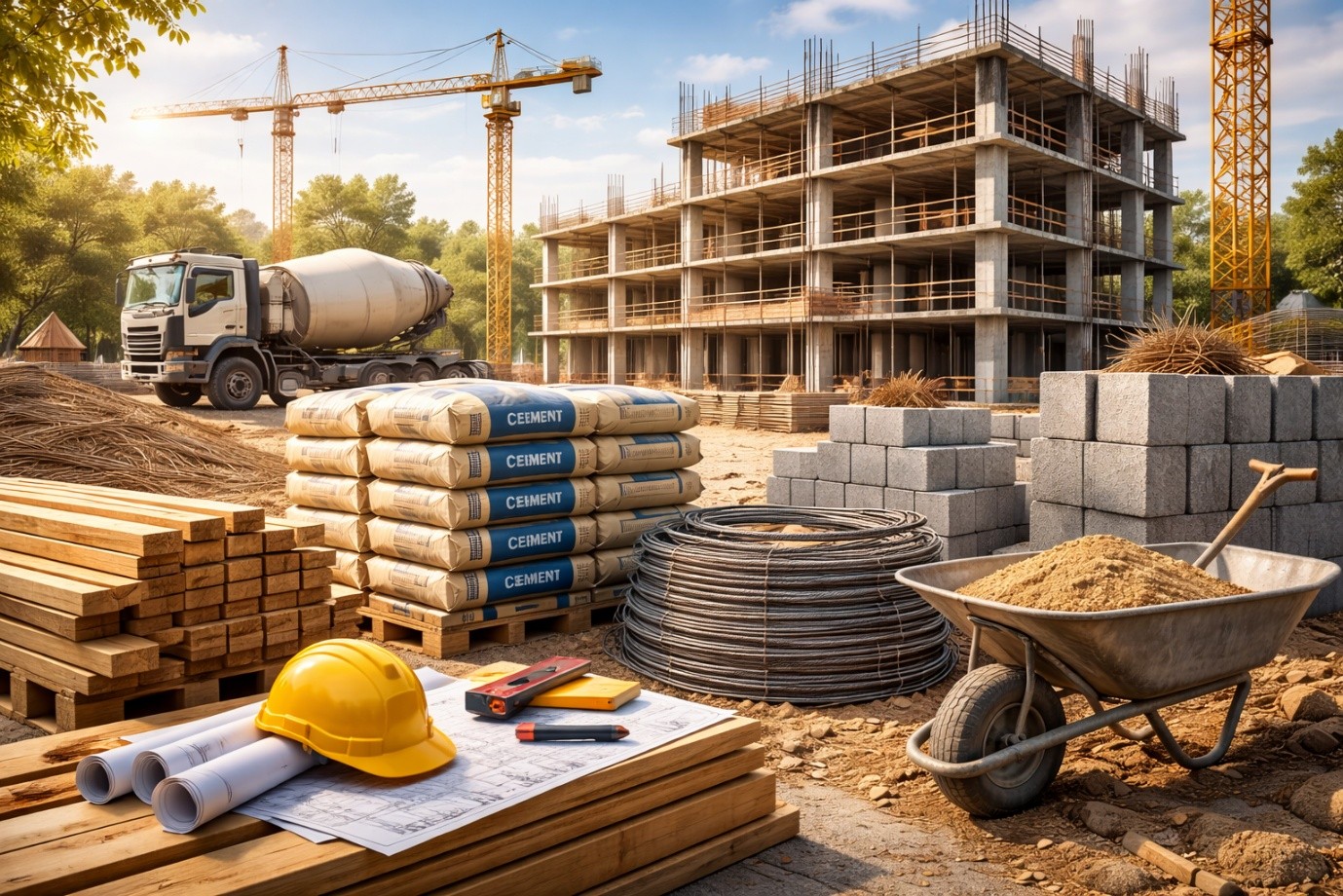
Securing the right materials is one of the most critical aspects of any construction project. The quality, availability, and suitability of materials directly impact the durability, safety, and overall success of a build. Using substandard or inappropriate materials can lead to delays, additional costs, and long term structural problems.
For contractors and project managers, working with a trusted partner for high-quality concrete supply ensures that one of the most essential construction materials is reliable, consistent, and delivered on time. Reliable suppliers provide not only premium materials but also expert guidance to match the needs of each project.
This guide explores strategies for sourcing the right materials and maintaining quality throughout a construction project.
Assess Project Requirements
Before ordering materials, it is essential to assess the specific requirements of your construction project. Factors to consider include:
- The type of structure and intended use
- Environmental conditions, such as exposure to weather or chemicals
- Design specifications and engineering requirements
- Quantity and timing for each phase of the build
A clear understanding of requirements helps avoid over-ordering, under-ordering, or choosing unsuitable products.
Choosing the Right Supplier
Selecting a reliable supplier is key to maintaining quality and meeting project timelines. A supplier’s reputation, range of products, and delivery capabilities should all be evaluated.
Advantages of working with a trusted supplier include:
- Consistent quality across multiple deliveries
- Expert advice on product selection
- Flexible delivery schedules
- Compliance with industry standards and regulations
A supplier specialising in concrete and construction materials can provide guidance tailored to your project needs.
Inspect Materials Upon Delivery
Even when working with a reputable supplier, it is important to inspect materials upon arrival. Checking quality ensures that the materials meet specifications and are free from defects.
Inspection steps include:
- Verifying quantity against the order
- Checking for visible damage or irregularities
- Confirming the grade or mix matches project requirements
- Testing samples if required for structural applications
Early detection of issues prevents construction delays and costly replacements.
Consider Sustainability and Efficiency
Modern construction increasingly focuses on sustainable materials and energy efficient practices. Selecting environmentally friendly products not only supports green building initiatives but also improves long term cost efficiency.
Key sustainability considerations include:
- Using recycled or low carbon concrete mixes
- Choosing durable materials to reduce maintenance and replacement
- Selecting suppliers with environmentally responsible practices
- Planning material use to minimise waste
Sustainable choices align with regulatory standards and contribute to responsible building practices.
Plan Material Logistics Carefully
Managing the logistics of material delivery and storage is essential to prevent project delays and damage. Effective planning ensures that materials are available when needed without causing clutter or safety hazards on site.
Tips for material logistics include:
- Scheduling deliveries in alignment with construction phases
- Storing materials in a secure, dry, and organised area
- Minimising handling to reduce the risk of damage
- Keeping accurate inventory records for accountability
Well organised logistics support smooth workflow and efficient project progress.
Understand Material Specifications
Every construction material has specific technical requirements that must be understood before use. For concrete, this includes grade, workability, setting time, and strength.
Consider the following when evaluating specifications:
- Compliance with building regulations and engineering standards
- Suitability for the structure and environmental conditions
- Compatibility with other materials used on site
- Manufacturer’s guidelines for mixing and curing
Correct use of materials according to specifications ensures structural integrity and longevity.
Communicate Clearly With Your Team
Clear communication between project managers, contractors, and suppliers is essential to ensure materials are used correctly and efficiently. Miscommunication can result in waste, mistakes, or safety hazards.
Effective communication strategies include:
- Providing detailed specifications and delivery instructions to suppliers
- Updating the team on delivery schedules and site requirements
- Sharing documentation and test results for quality verification
- Regularly reviewing progress and addressing issues promptly
Collaboration and transparency reduce errors and enhance project efficiency.
Maintain Quality Control Throughout the Project
Quality control should be ongoing, not limited to initial material inspection. Regular checks during construction help identify any deviations from standards and allow for corrective action.
Quality control measures include:
- Monitoring material handling and storage on site
- Ensuring correct mixing, pouring, or assembly processes
- Conducting periodic strength tests for concrete and other structural elements
- Keeping detailed records of inspections and outcomes
Consistent quality control safeguards the long term performance of the building.
Plan for Contingencies
Even with careful planning, unexpected challenges can arise. Having contingency plans in place ensures that projects continue smoothly despite delays or material shortages.
Contingency strategies may include:
- Identifying alternative suppliers or products
- Maintaining a small buffer stock of critical materials
- Scheduling flexibility to accommodate delays
- Clear communication channels for rapid problem solving
Being prepared minimises disruption and keeps construction on schedule.
Final Thoughts
The success of any construction project relies heavily on sourcing and using the right materials. By understanding project requirements, selecting a reliable supplier, maintaining quality control, and planning logistics carefully, homeowners, contractors, and project managers can ensure a smooth build with long lasting results.
Working with a trusted partner for high-quality concrete supply guarantees both material reliability and expert support, providing peace of mind for every stage of the project. Thoughtful planning, attention to detail, and professional guidance are key to achieving a durable, efficient, and successful construction outcome.