
Waste management is the way you handle waste from start to finish. That means how it’s collected, sorted, treated, recycled, and finally disposed of. It’s not just about bins. It’s about making sure waste doesn’t cause harm to health, the environment, or your wallet.
It matters in real life because waste doesn’t disappear once it leaves your home or site. If you’ve ever dealt with overflowing bins, bad smells, or a missed collection, you’ve already seen the problem. Take a simple example. Food waste left too long attracts pests. Construction waste dumped incorrectly can block drains or create safety risks. Household rubbish, if not managed properly, quickly becomes a public issue, not a private one.
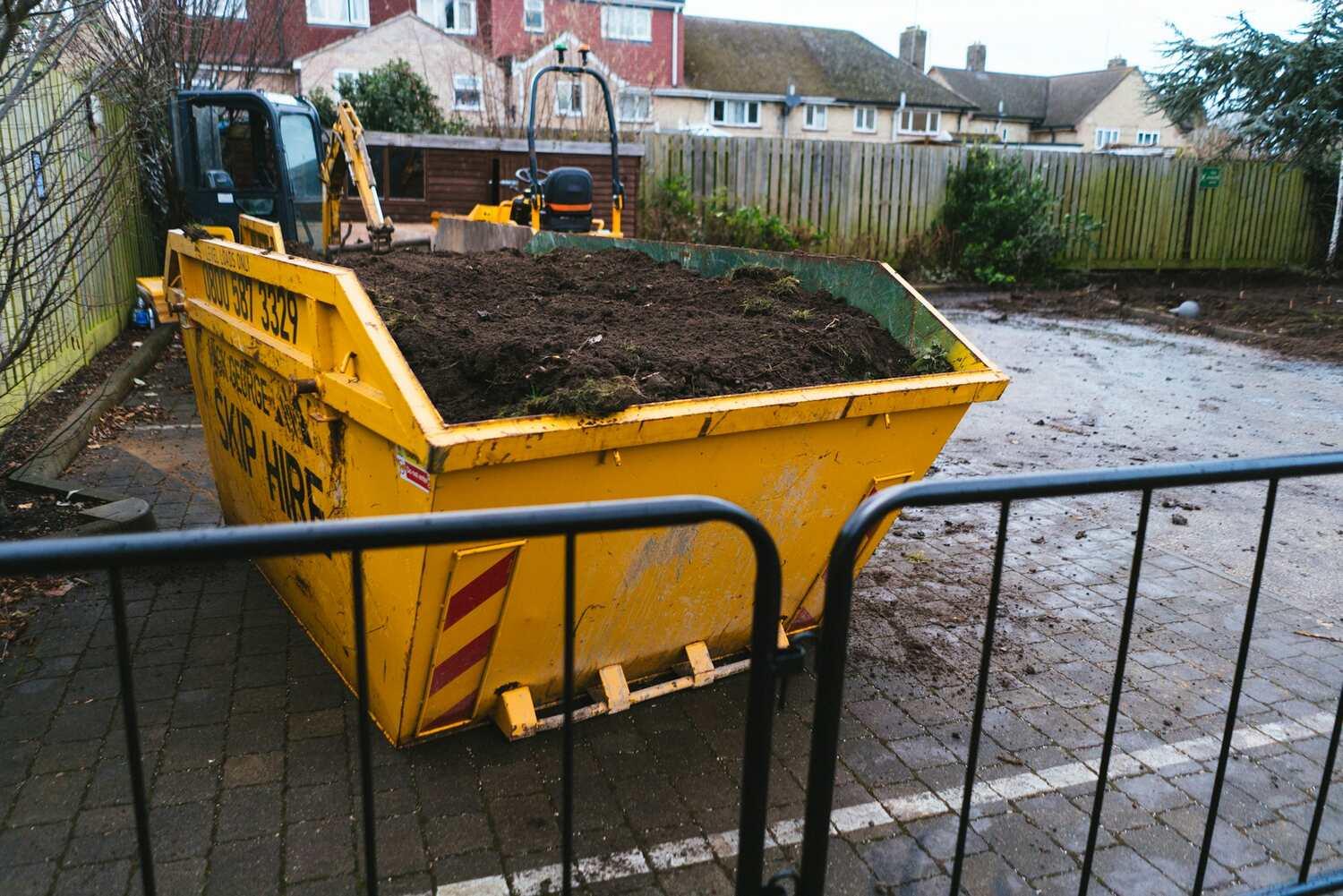
Why Waste Management Matters
When waste isn’t managed properly, problems stack up fast. You get smells, vermin, blocked access points, and real health risks. Rubbish left in the wrong place can contaminate soil and water. That affects streets, parks, and local waterways. This isn’t theory. Councils deal with it daily, and businesses pay the price when things go wrong.
Waste management also protects you legally. Rules exist for a reason, and ignoring them can lead to fines or shutdowns. Whether you run a business, manage a site, or look after a home, you play a role. Cities need systems that work. Businesses need compliance and cost control. Homes need simple, reliable disposal. Even something as basic as hiring a skip in Southampton shows how everyday decisions affect the bigger system.
The Main Types of Waste
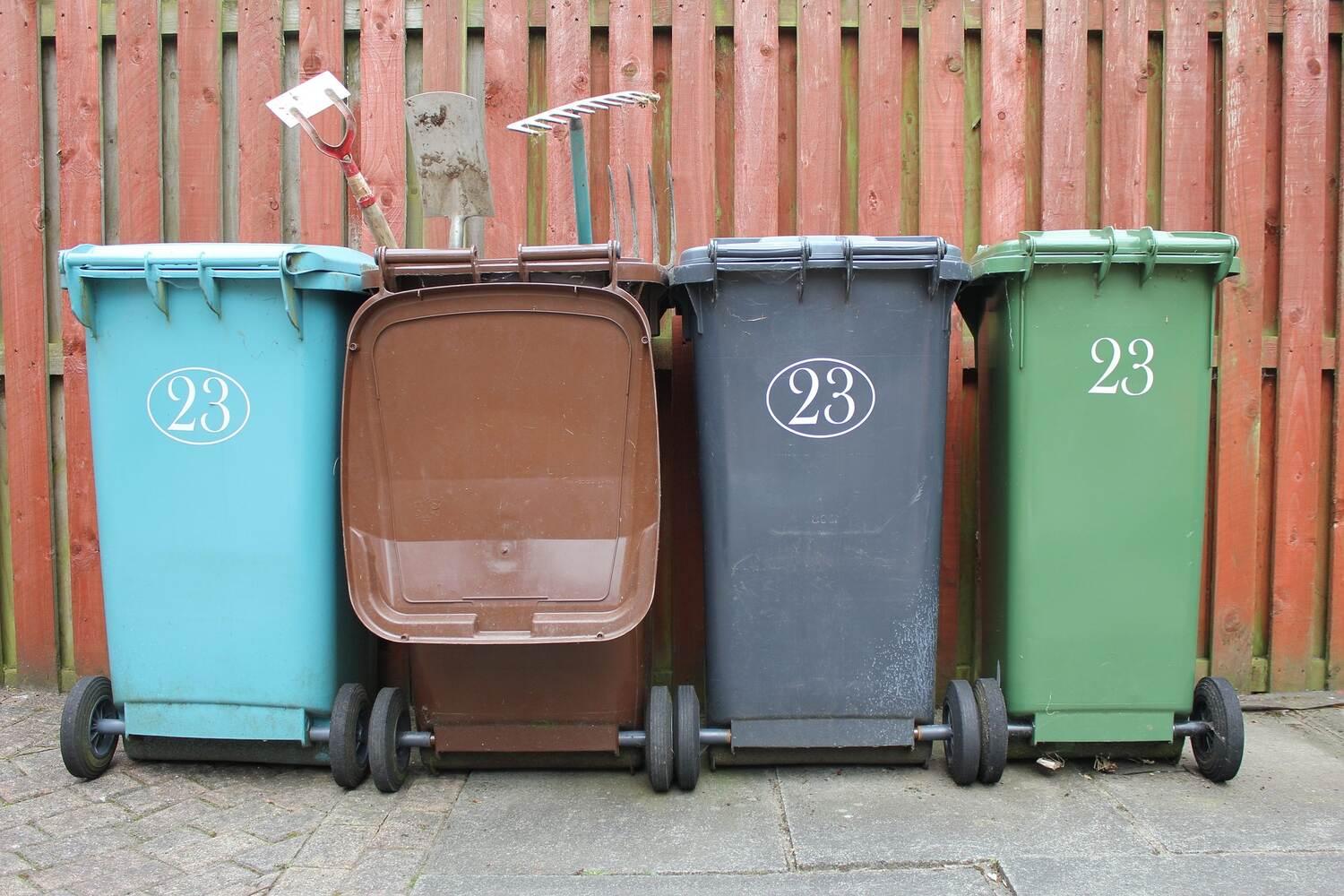
Before you can manage waste properly, you need to know what you’re dealing with. Not all waste is the same, and treating it as one big pile usually causes problems. Different types of waste come from different places, carry different risks, and follow different rules. What works for household rubbish won’t work for a construction site or a factory floor, to give you an example.
Household Waste
Household waste is what you deal with daily. Food scraps, packaging, broken items, old furniture, and garden waste all fall into this group. While it looks simple, it adds up quickly. Food waste creates smells and attracts pests. Bulky items take up space and need proper handling. Councils rely on you sorting waste correctly to keep collections efficient. When you mix everything together, recycling rates drop and costs rise. Small habits at home make a bigger difference than most expect.
Commercial Waste
Commercial waste comes from offices, shops, restaurants, and warehouses. Think packaging, paper, food waste, and general refuse. The volume is higher, and the rules are stricter. Businesses must arrange licensed collection and keep records. Poor waste handling can affect hygiene ratings, staff safety, and customer trust. A restaurant that mismanages waste will face smells, pests, and complaints fast. Clear systems and regular collections keep operations smooth and costs predictable.
Industrial Waste
Industrial waste is generated by factories and manufacturing sites. It includes raw material leftovers, scrap, chemicals, and sometimes hazardous byproducts. This type of waste needs careful handling because mistakes carry serious risks. Poor storage or disposal can harm workers and nearby areas. Many industrial sites use specialised contractors and treatment methods to stay compliant. Here, waste management isn’t optional. It’s built into daily operations and safety planning.
Construction and Demolition Waste
Construction and demolition waste includes concrete, bricks, wood, metal, soil, and packaging. Projects create waste fast, often in large volumes. If you don’t manage it properly, sites become unsafe and inefficient. Clear skip placement, regular removal, and proper sorting save time and money. Reusing materials where possible also reduces disposal costs. This is where structured waste management with skips makes a real difference on busy sites.
Hazardous Waste
Hazardous waste includes chemicals, batteries, paints, oils, and medical waste. This is not waste you can guess your way through. Incorrect disposal can cause fires, pollution, or serious health issues. Special containers, labels, and licensed handlers are required. Even small amounts matter. Mixing hazardous waste with general waste is illegal and risky. When in doubt, treat it as hazardous and check the rules before disposal.
The Waste Management Process (Step by Step)
Waste management isn’t a single action. It’s a sequence of steps that work together. From the moment waste is produced to the point it’s reused, treated, or disposed of, each stage has a purpose. Here all the steps explained.
Waste Collection
First and foremost, collection is the starting point. Bins, skips, and scheduled pickups all play a role. Responsibility depends on the setting. At home, councils usually handle it. At businesses and sites, you arrange private collection. Clear access, correct containers, and reliable schedules prevent overflow and missed pickups. When collection fails, every other step suffers. Simple planning here avoids bigger issues later.
Sorting and Separation
Sorting can be manual or automated, but separation at the source always helps. When you separate waste early, recycling becomes easier and cheaper. Mixed waste costs more to process and often ends up in landfill. Clear labels, separate bins, and staff or household awareness make a big difference. This step is where many systems fail, not because it’s complex, but because it’s ignored.
Recycling
Not everything can be recycled, even if it looks recyclable. Clean cardboard, certain plastics, glass, and metals usually qualify. Contaminated items often don’t. Food residue, mixed materials, and incorrect items can ruin whole loads. Recycling works best when you follow local guidelines and keep materials clean. Guessing usually leads to waste, not recovery.
Treatment and Processing
Treatment changes waste to make it safer or useful. Composting turns food and garden waste into soil products. Shredding reduces volume. Incineration can generate energy but must meet strict controls. Each method serves a purpose. The goal is to reduce harm and recover value where possible, not just get rid of waste.
Disposal
Disposal usually means landfill, and it’s the last option. Landfills are tightly regulated, but they still take up space and create long-term environmental issues. Good waste management keeps landfill use low by focusing on reduction, reuse, and recycling first. Disposal is sometimes necessary, but it should never be the default choice.
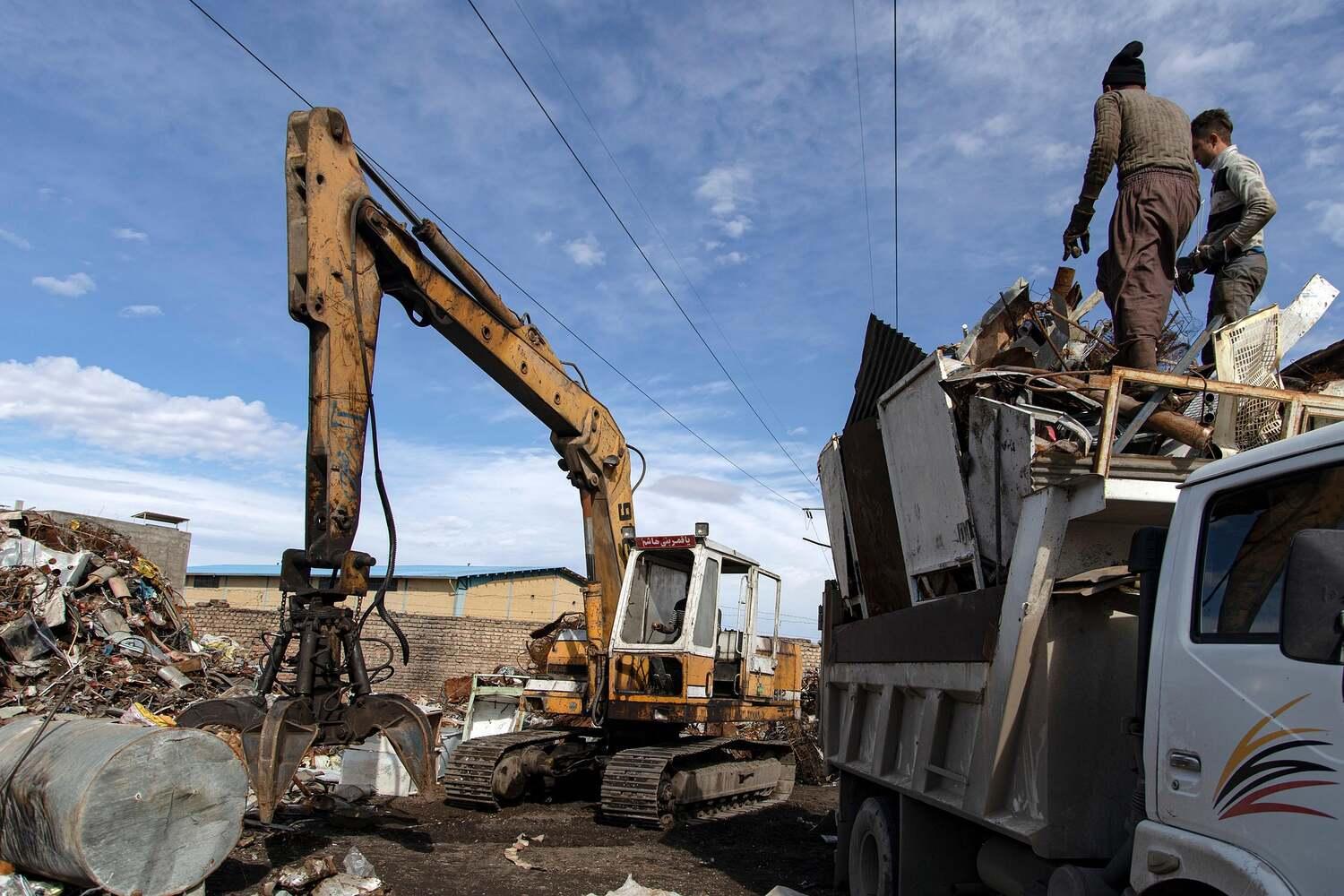
The Waste Management Triangle
The waste management triangle sets priorities in the right order. First, reduce. Buy less, avoid over-packaged goods, and plan materials properly.
Second, reuse. Furniture, containers, and building materials often have a second life. Third, recycle. Only after reduction and reuse. Fourth, recover. This includes energy recovery from waste.
Finally, dispose. This is the least preferred option. A simple example helps. Reducing food waste saves money. Reusing packaging cuts costs. Recycling handles what’s left. Disposal deals with what can’t be recovered.
Waste Management at Home vs Businesses
Waste management looks simple on the surface, but the rules change depending on where the waste comes from. What works at home doesn’t always work for a business or a worksite.
What You Can Do at Home
At home, waste management starts with buying choices. Less packaging means less waste. Clear bin habits matter. Separate recyclables, manage food waste, and deal with bulky items properly. Simple tools like compost bins help. Small changes add up over time. You don’t need perfection. You need consistency.
What Businesses Must Handle
Businesses face legal duties. You must use licensed waste carriers, keep records, and follow local rules. Contracts, audits, and waste tracking protect you from fines and disruptions. Poor waste management costs more in the long run through missed collections, penalties, and inefficiency. A clear plan keeps operations stable and predictable.
FAQ About Waste Management
What are the main goals of waste management?
The main goals of waste management are to protect health, reduce environmental damage, control costs, and meet legal requirements. When waste is handled properly, you lower the risk of pests, smells, and contamination. You also reduce pollution in soil, air, and water.
From a cost point of view, good systems cut down on unnecessary collections, landfill fees, and fines. Compliance matters too. Councils and regulators expect waste to be stored, transported, and disposed of correctly. A solid waste management setup balances all of this without cutting corners or creating problems further down the line.
What happens to waste after it’s collected?
Once waste is collected, it doesn’t go straight to landfill in most cases. First, it’s taken to a facility where it’s sorted. Recyclable materials like metal, glass, paper, and some plastics are separated.
The remaining waste is then treated. This can include composting organic waste, shredding bulky materials, or processing waste to recover energy. Only waste that can’t be reused, recycled, or treated safely ends up in landfill. The aim at every stage is to reduce volume, limit environmental impact, and recover value where possible.
Is recycling always the best option?
Recycling is useful, but it’s not always the best option. Reducing waste in the first place usually has a bigger impact. Buying less, choosing durable products, and avoiding unnecessary packaging all prevent waste before it exists. Reusing items also beats recycling because it avoids extra processing.
Recycling works best when materials are clean and sorted correctly. When waste is contaminated or mixed, recycling becomes expensive or impossible. So while recycling matters, it works best as part of a wider approach, not as the only solution.
What’s the difference between waste disposal and waste management?
Waste disposal is just one part of the picture. It focuses on getting rid of waste, usually through landfill or incineration. Waste management covers the full system. That includes planning how waste is handled, choosing the right containers, organising collection, sorting materials, recycling, treatment, and legal compliance.
Disposal is the last step, not the goal. Good waste management reduces how much you need to dispose of in the first place, which saves money and limits environmental harm.
Can all waste be recycled?
No, not all waste can be recycled. Some materials are contaminated with food, liquids, or chemicals, which makes recycling difficult or unsafe. Other items are made from mixed materials that can’t be easily separated. Hazardous waste is another category that needs specialist handling and cannot go into normal recycling streams.
That’s why local recycling rules matter. Following them helps keep recycling systems efficient and avoids damage to equipment or rejected loads. Getting it right is about accuracy.
Conclusion
Waste management isn’t about doing everything perfectly. It’s about making better choices today than yesterday. Clear systems, simple habits, and realistic planning go a long way. When you manage waste properly, you protect health, reduce costs, and avoid problems before they start.