
If you own a mini excavator or operate one for a living, you know these machines are the backbone of small job sites. They get into tight spots where a big rig just can’t fit. However, because they work hard in the dirt, mud, and rain, they require regular maintenance to remain reliable.
Maintenance is part of owning an excavator. It is about safety and ensuring your machine actually does what you want it to do, which is why you pull the levers.
The Daily Walk-Around
You don’t need to be a mechanic to keep an excavator in good shape. The best thing you can do is perform a simple visual check before starting the engine every morning.
- Check for Leaks: Look under the machine and around the hydraulic cylinders. If you see puddles of oil or wet spots on the hoses, don’t ignore them. Small leaks often escalate into significant, expensive problems during a job.
- Grease the Pivot Points: These machines have numerous moving joints. Friction is the enemy here. Greasing the boom, arm, and bucket pins daily keeps everything moving smoothly.
- Inspect the Tracks: Look for rocks or debris stuck in the undercarriage. Check the tension too. If the tracks are too loose, they might pop off. If they’re too tight, you’ll wear out the rollers more quickly than necessary.
Choosing the Right Tools
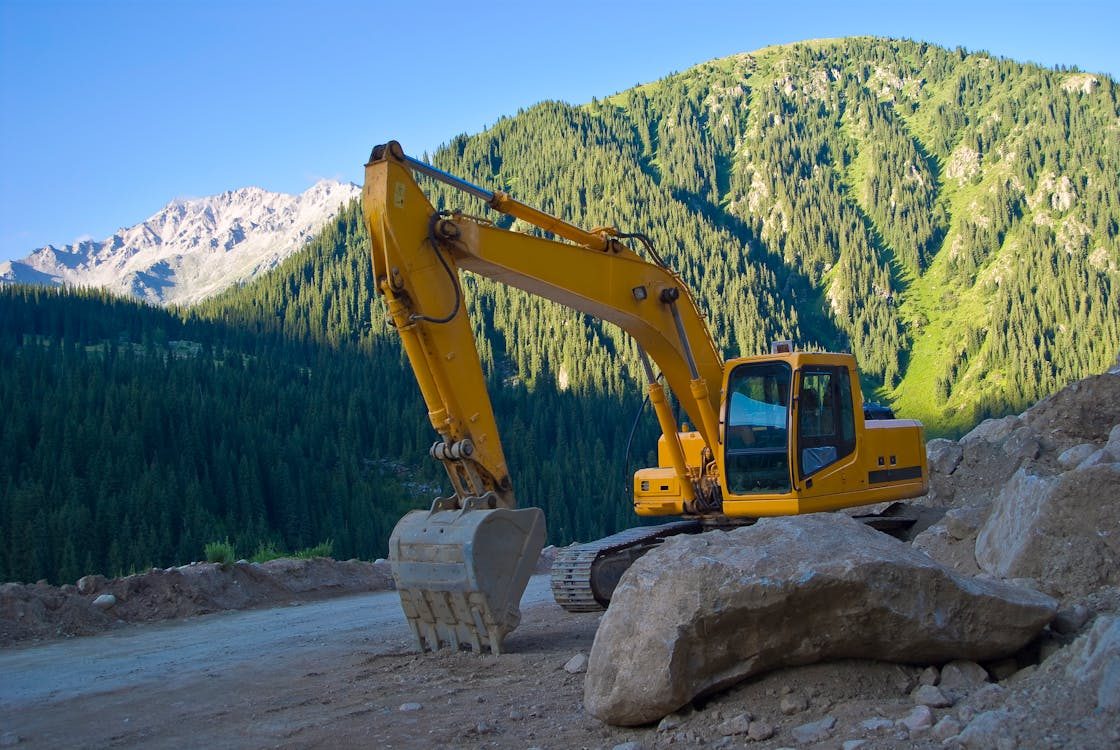
A mini excavator is only as good as the attachment on the end of the arm. For most digging and foundation work, a standard digging bucket is the go-to choice. It’s built to bite into the earth and hold a load without stressing the hydraulic system.
If you are demolishing or breaking up an old driveway, you may need a more specialized tool. Using a breaker makes quick work of concrete that would take hours to break up with a jackhammer. It’s all about using the right tool for the specific ground conditions you’re facing.
Why Fluids Matter
If the oil is dirty or the coolant is low, the engine and the hydraulic pump system of the excavator will struggle.
- Engine Oil: Check the dipstick regularly. If the oil looks pitch black or feels gritty, it’s time for a change.
- Hydraulic Fluid: This is what gives the machine its power. Check the sight glass to ensure it’s at the correct level. If the fluid looks milky, water has probably leaked in, and you’ll need to flush the system.
- Cooling System: Mini excavators work in tight spaces where airflow can be limited. Make sure the radiator isn’t clogged with dust or grass. A quick spray with an air compressor can prevent the engine from overheating on a hot afternoon.
Keeping Spare Parts Handy
Nothing halts a project faster than a broken pin or a clogged filter when you’re miles from the nearest shop. Keeping a few basics on hand can save your entire day.
Having a filter kit or a spare set of bucket teeth in your truck means you can fix common issues in twenty minutes, rather than losing a whole afternoon of work. It’s the small things that keep a job moving when things go wrong.
Safety on the Job
Safety is all about making sure everyone is secure before starting the job:
- Seatbelts: Use them. If the machine tips on uneven ground, the cab is the safest place to be as long as you stay inside it.
- Lower the Bucket: Whenever you park or exit to talk to someone, place the bucket flat on the ground. A raised bucket is a heavy object waiting to fall.
- Watch the Slope: Mini excavators are stable, but they have limits. Avoid working on a steep hill at an angle. Always try to keep your tracks pointed up or down the slope to prevent a rollover.
Final Thoughts
Taking care of a mini excavator doesn’t have to be complicated. If you keep it well-maintained, check the fluids regularly, and don’t push it beyond its limits, it will last for years. These machines are built to be tough, but they still need a little respect.
Stay on top of small repairs, and you’ll spend more time fixing things and less time waiting for a mechanic to show up.