
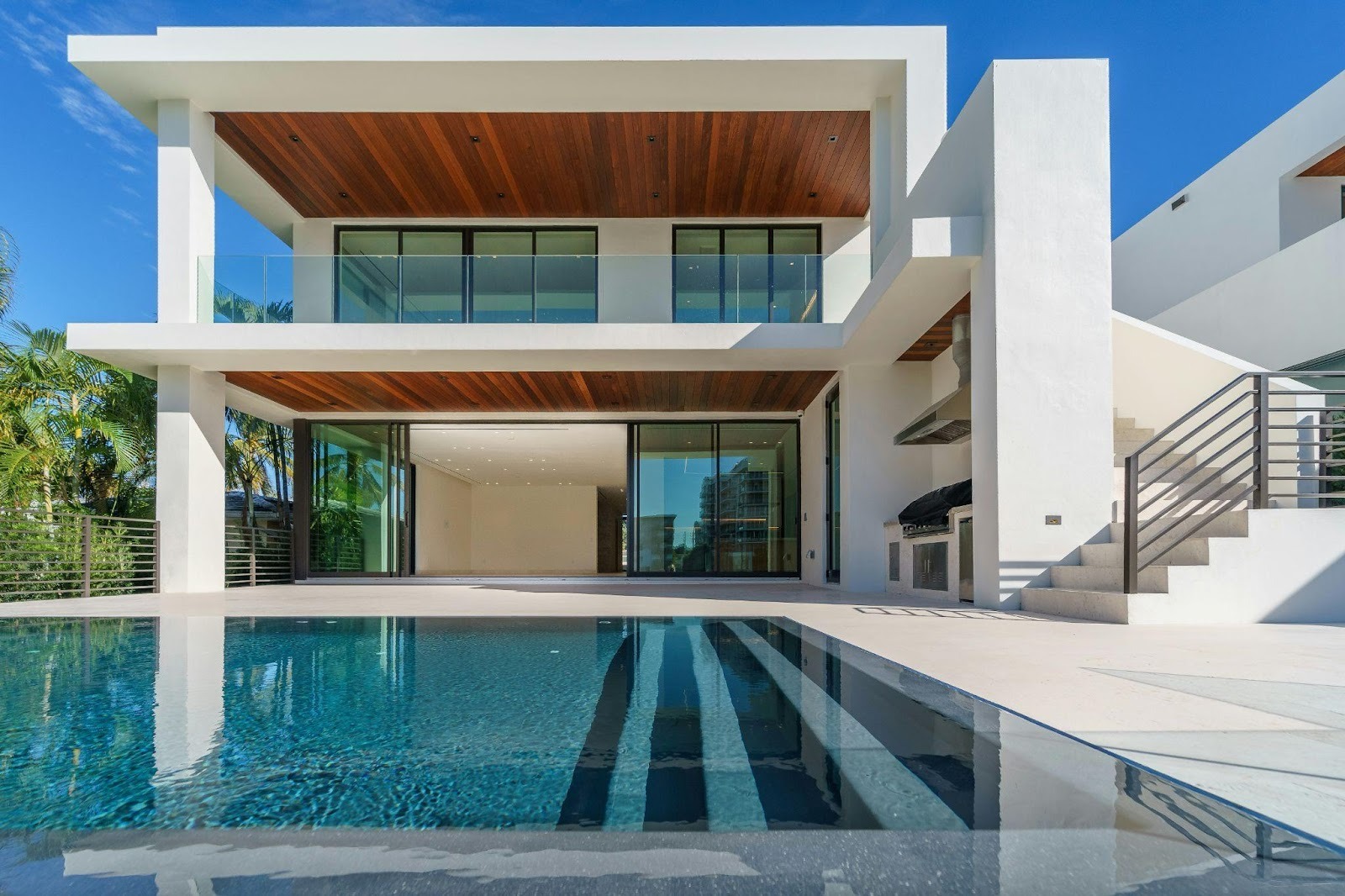
Large-scale luxury homes are often viewed as outliers in residential construction, extravagant in scale, materials, and finishes. However, these projects offer practical lessons for builders, architects, and site managers working on homes at any budget level. From structural planning to logistics and sustainability, analyzing complex custom builds can highlight best practices that translate across the residential construction industry.
1. Early Planning and Structural Coordination
One of the most significant construction lessons from large custom homes involves early coordination between architects, structural engineers, and builders. Complex layouts, including multiple wings, expansive open spaces, and underground levels, require careful structural planning that goes beyond typical room framing.
Rather than treating structure as an afterthought, successful large-scale homes integrate reinforced concrete, steel supports, and engineered timber into initial designs. When structural decisions are delayed, projects risk costly redesigns, scheduling setbacks, and compromised build quality.
2. Material Selection and Logistics
In luxury residential builds, material selection goes beyond aesthetics. Stone cladding, bespoke glazing, premium hardwoods, and custom fixtures must all meet performance, durability, and sourcing criteria.
At this scale, material logistics become a construction challenge:
- Scheduling phased deliveries
- Planning on-site storage
- Protecting high-end finishes
- Avoiding damage during installation
Careful sequencing and delivery planning prevents site congestion and keeps the build timeline on track, an important lesson for all residential projects.
3. Mechanical, Electrical, and Plumbing (MEP) Complexity
Large homes often require zoned HVAC systems, multiple mechanical rooms, and redundancies that resemble commercial projects more than typical residences.
Electrical systems may need to support advanced automation, extensive lighting designs, and backup power. Plumbing systems may be more complex to accommodate multiple bathrooms, pools, and outdoor features.
The key takeaway for builders is this: Early collaboration with MEP engineers avoids costly changes after framing and finishes are in place.
4. Site Management and Workforce Coordination
Managing a large residential construction site is akin to running a small project team. With multiple specialist trades, such as stone masons, glazing experts, and custom carpenters, timing and sequencing matter.
Effective site management includes:
- Clear scheduling
- Safe and organized material storage
- Managed subcontractor access
- Sequenced installations
This level of organization reduces idle time, prevents damage, and creates a safer site for workers.
5. Sustainability and Energy Performance
High-end residential construction is increasingly embracing sustainability. Large homes often include:
- High-performance insulation
- Energy-efficient glazing
- Solar integration
- Water-saving systems
Even on smaller residences, builders can apply these principles to improve energy performance, occupant comfort, and long-term value.
6. Case Study: Large Custom Home Construction
A useful real-world example is a substantial custom estate that showcases many of these construction lessons in practice. This property highlights design scale, premium material choices, and the types of coordination required for large-footprint residential construction.
In this project, careful planning enabled the team to manage complex structural needs, sequence specialist trades effectively, and integrate high-end finishes over an extended timeline. For a detailed look at the layout, materials, and overall build context of this type of home, examine this case study of a Woodland Hills mansion and its construction characteristics.
By focusing on structure, materials, and logistics, not celebrity status, this reference supports the article’s construction-oriented theme.
7. Lessons for Everyday Residential Builders
Large custom homes operate at a scale most builders may never encounter regularly. Yet, many of the lessons they reveal are scalable:
- Early design coordination improves outcomes
- Material planning prevents delays
- MEP collaboration reduces rework
- Thoughtful site management improves efficiency
- Sustainable practices can elevate build quality
Applying these principles in standard residential builds can enhance workflow, reduce risk, and improve client satisfaction.
Final Thoughts
Large-scale luxury homes provide more than visual inspiration, they are case studies in complexity management, coordination, and craftsmanship. By studying how these projects navigate structural challenges, material logistics, and integrated systems, residential builders and managers can adopt proven methods that improve project delivery across all scales.
Understanding and applying these lessons can strengthen construction practices industry-wide, regardless of project size or budget.