
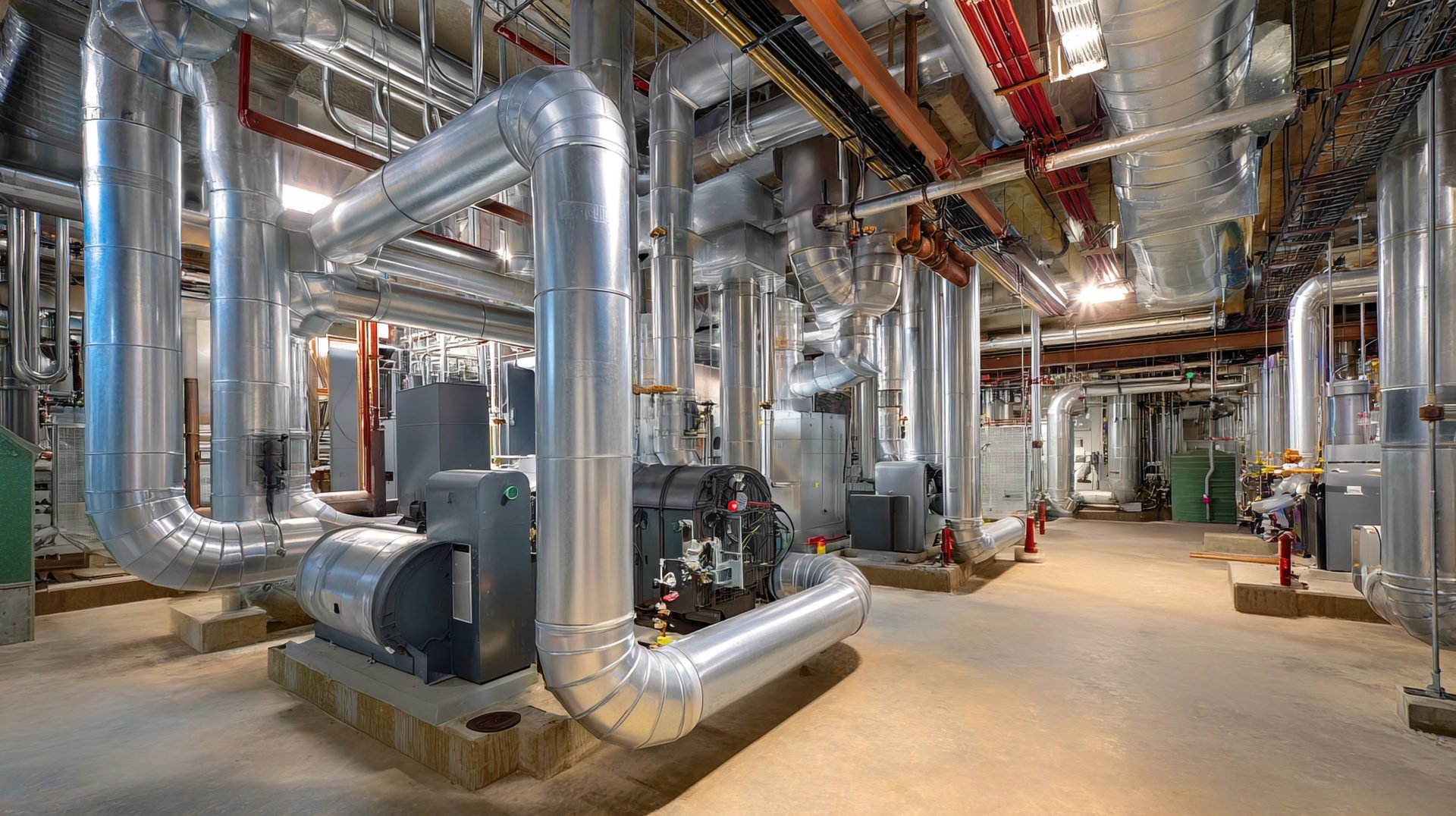
Pipe insulation is often viewed as a finishing touch rather than a primary structural component in the high-stakes world of industrial construction and facility management. However, for contractors, treating insulation as an afterthought is a costly mistake. Industrial systems operate under extreme thermal stresses, corrosive environments, and stringent energy regulations that residential or light commercial standards simply don’t cover.
That said, here are the most important things contractors need to know about industrial pipe insulation to protect the longevity of the infrastructure and the safety of the personnel working within it.
The Critical Role of Personnel Protection
Many industrial processes involve fluids or gases moving at temperatures that can exceed 1000°F or drop to cryogenic levels. Without adequate insulation, a split-second touch can result in life-altering burns or frostbite. Contractors must design insulation systems based on the maximum surface temperature allowed by OSHA standards, which generally dictates that exposed surfaces should not exceed 140°F. This involves calculating the exact thickness required to dissipate heat effectively.
Beyond thermal protection, insulation also acts as a noise dampener in high-velocity systems, preventing long-term auditory damage for workers in confined mechanical rooms.
Selecting Materials Based on Temperature Fluctuations
Not all insulation materials are created equal, and selecting the wrong one can lead to material degradation or even combustion. For high-temperature applications, materials like mineral wool, calcium silicate, or cellular glass are the industry standards because of their high melting points and structural integrity. For cold systems or refrigeration lines, closed-cell elastomeric foam or polyisocyanurate are preferred because they naturally resist moisture vapor transmission.
Contractors must also account for the expansion and contraction of the pipes. In systems that cycle between hot and cold, the insulation must be flexible enough (or installed with sufficient expansion joints) to prevent the material from cracking or pulling away from the fittings, which would compromise the thermal seal.
Properly managing these temperature extremes requires not just the right materials, but also technical precision during the application phase to ensure long-term efficiency and safety. Even a minor gap in a high-pressure system can lead to significant energy loss or moisture buildup, so it’s essential to work with specialists who understand the specific thermal requirements of your infrastructure. You can visit sites like thermal-clad.co.uk to find a reputable supplier and/or installer of high-quality pipe insulation who can provide the technical expertise necessary for a secure, high-performance fit.
Mitigating the Threat of Corrosion Under Insulation
Perhaps the most significant technical challenge for contractors is corrosion under insulation, commonly known as CUI. This phenomenon occurs when moisture becomes trapped between the pipe surface and the insulation material, creating a greenhouse effect that accelerates the oxidation of carbon steel or the chloride stress cracking of stainless steel. Because the damage is hidden beneath the insulation jacket, it often goes undetected until a catastrophic pipe failure occurs.
Contractors must prioritize the use of non-wicking materials and high-quality vapor barriers. Furthermore, applying specialized anti-corrosive coatings to the pipe itself before the insulation is installed provides a secondary layer of protection that is essential in humid or coastal industrial environments.
The Economic Impact of Thermal Efficiency
In an era of rising energy costs and strict green building certifications, the thermal efficiency of a piping system is a major KPI for facility owners. Contractors provide immense value by demonstrating how the right insulation thickness significantly reduces BTU loss. It reduces the load on boilers and chillers, thereby extending the lifespan of the entire HVAC or process system.
When a system is properly insulated, the heat or cold reaches its destination with minimal loss, ensuring that industrial processes remain stable and predictable. Contractors should utilize heat loss software to provide clients with a clear return on investment (ROI) analysis, showing exactly how quickly the insulation project will pay for itself through energy savings.
The Importance of Vapor Barriers and Jacketing
The insulation material itself is only as good as the protective jacket that surrounds it. In industrial settings, pipes are subjected to physical impacts, chemical spills, UV radiation, and wash-down procedures. Aluminum or stainless steel jacketing is often necessary to provide the mechanical strength needed to withstand these harsh conditions.
However, the most critical component for cold piping is the vapor barrier. If the vapor barrier is punctured, moisture will migrate toward the cold pipe, condense, and eventually freeze. This ice formation can expand and destroy the insulation from the inside out. Contractors must be meticulous in sealing every lap, joint, and penetration with high-grade mastic or specialized vapor-retardant tapes to ensure a continuous, airtight seal.
Navigating Fire Safety and Smoke Ratings
Industrial facilities are often subject to more rigorous fire codes than other structures, particularly in power plants or chemical processing sites. Contractors must be well-versed in ASTM E84 standards, which measure the flame spread and smoke developed indexes of building materials. Most jurisdictions require a flame spread rating of 25 or less and a smoke-developed rating of 50 or less.
It’s a common misconception that all “non-combustible” materials meet these codes; even if the core insulation is fire-resistant, the adhesives, jackets, and vapor retarders used in the assembly might not be. Ensuring that the entire insulation system is UL-rated and compliant with local fire codes is a non-negotiable responsibility for the modern contractor.
Precision in Installation and Maintenance
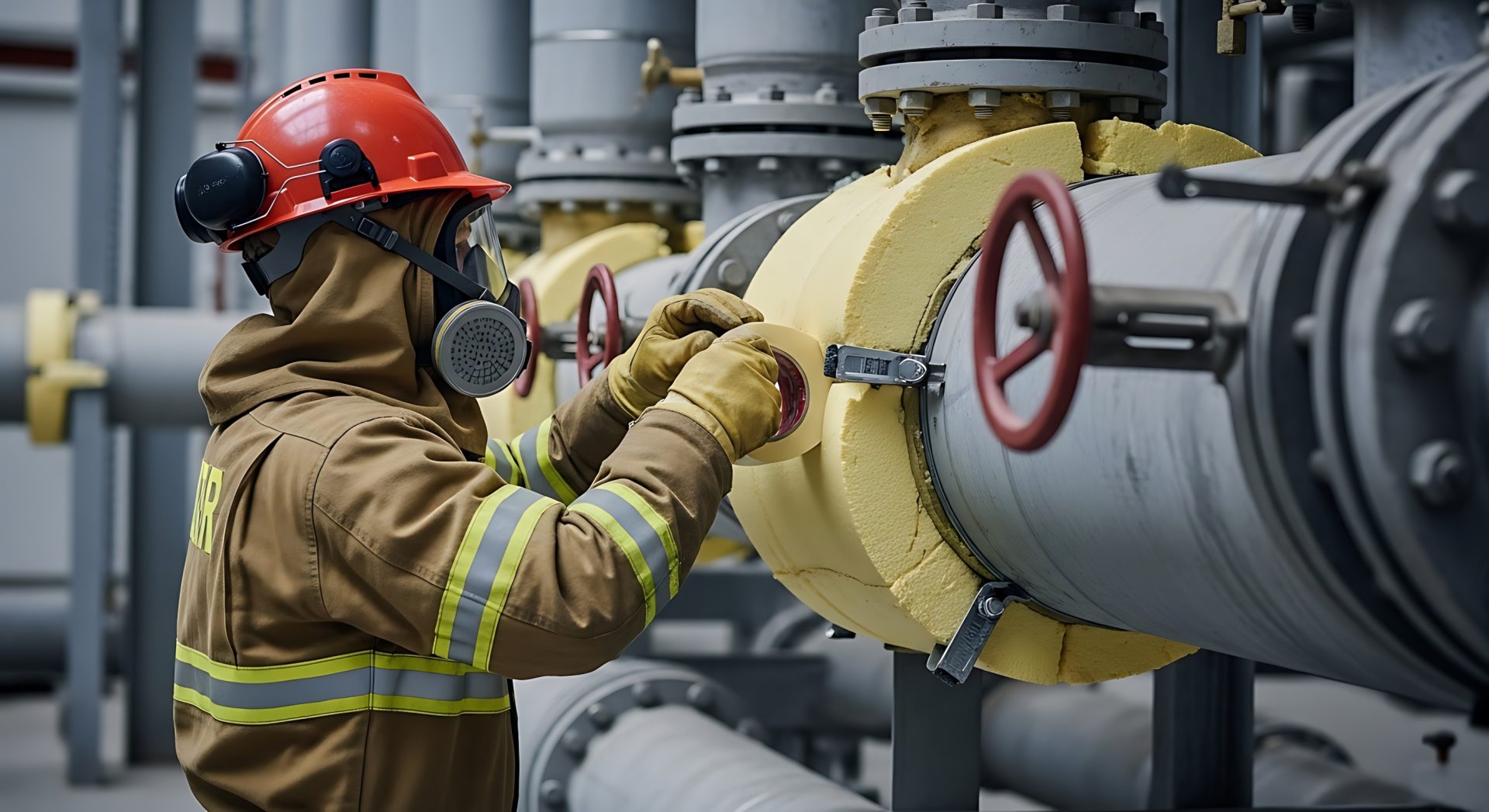
The best materials in the world will fail if the installation is sloppy. Industrial pipe insulation requires a level of craftsmanship that accounts for complex geometries, such as valves, flanges, and pumps. These areas are often left uninsulated because they’re difficult to wrap, yet they represent the areas of highest heat loss and CUI risk.
Contractors should utilize removable insulation blankets for these components to allow for easy inspection and maintenance without destroying the insulation. A proactive maintenance schedule is equally vital. Contractors should advise clients to perform regular thermal imaging scans to identify “hot spots” where insulation may have been damaged or compressed, allowing for surgical repairs before a total system failure occurs.
Conclusion
Understanding these pillars of industrial pipe insulation elevates a contractor from a mere installer to a strategic partner in facility management. By focusing on the synergy between safety, material science, and meticulous installation, you ensure that the systems you build are efficient and resilient against the tests of time and environment. Pipe insulation is the “skin” of the industrial body. When it is healthy and well-maintained, the entire system breathes easier, performs better, and lasts longer.