
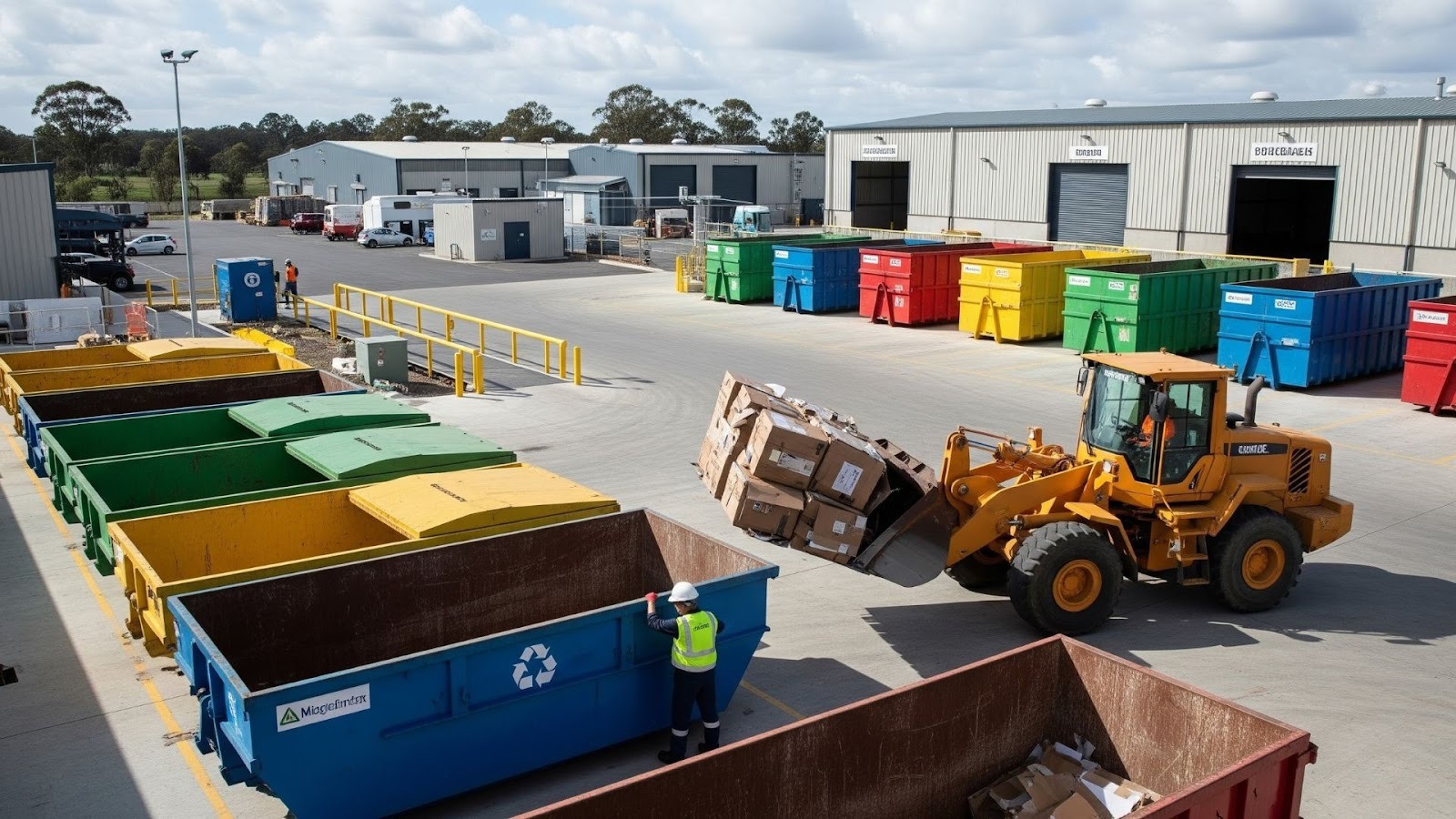
Efficient waste management is an important part of running a smooth and well organised business.
When companies take control of their waste processes, they reduce operational disruptions, strengthen resource use, and maintain cleaner, safer work environments.
This guide outlines practical steps that Australian organisations can adopt to streamline waste handling and improve day to day operations.
What Is Efficient Waste Management?
Efficient waste management refers to the coordinated handling of waste from the moment it is generated to its collection, treatment, or recycling, with services like vacuum excavation supporting safer and more precise material handling.
It involves planning, sorting, storing, and monitoring waste so that materials move through each stage with minimal delays and minimal contamination.
When managed correctly, it reduces clutter, increases productivity, and supports stronger recycling outcomes.
Understand Different Waste Streams and Waste materials
Businesses deal with various types of waste, and each stream requires its own approach.
By identifying whether you are handling organic waste, food waste, hazardous waste, or garden waste, you can choose the correct processing method.
Clear classification also helps avoid illegal dumping and ensures materials are handled in a responsible manner.
Some streams have specialised needs. Industrial sites may generate hazardous materials that require certified waste treatment and strict safety controls.
Construction projects often produce mixed debris and other materials that cannot be handled like everyday garbage or paper.
Matching waste streams to proper solutions protects employees, customers, and the broader environment.
Identify and Categorise Your Waste Streams
A clear understanding of your waste types forms the foundation of an efficient system.
Categorising materials by their composition, volume, and frequency of generation helps your business match each stream with the right disposal or recycling method.
This step also highlights opportunities to reduce waste before it even enters the system.
Improve Internal Sorting Practices for Waste Disposal
Sorting waste correctly at the source has a major impact on the performance of your waste processes. Providing separate, clearly labelled bins ensures that staff know exactly where to place materials.
Consistent sorting reduces contamination and improves the value of recyclables, making collections faster and more efficient.
Use Appropriate Storage and Collection Equipment
Choosing the right bins, containers, compactors, and storage areas supports safer and more organised waste handling.
Covered and clearly marked storage zones help maintain hygiene, prevent mixing of different materials, and make it easier for collection teams to complete their work without delays.
Train Staff To Follow Waste Procedures
Staff play an essential role in keeping waste systems running smoothly.
Regular training sessions help employees understand correct disposal methods, know where to report issues, and follow consistent standards across all work areas.
Good training also improves awareness of recycling opportunities and reduces common errors such as placing mixed materials in the wrong bins.
Create a Reliable Collection Schedule
Predictable waste collection schedules prevent overflow, keep sites tidy, and reduce disruptions to daily operations.
Businesses that produce waste at consistent intervals benefit from planned pickups that align with production cycles. This ensures waste is removed before it impacts workflow or storage space.
Track Waste Volumes and Process Performance
Monitoring the quantity and type of waste your business produces allows you to identify inefficiencies and make informed decisions.
Data tracking tools provide insights into patterns that might not be visible through manual checks. These insights can guide improvements in sorting, storage, or equipment allocation.
Explore Opportunities To Reduce Waste Generation
Reducing waste at the source is one of the most effective ways to streamline your system.
Reviewing procurement choices, packaging use, and operational processes helps you identify areas where unnecessary waste occurs.
Small adjustments can lead to significant improvements in both waste volume and internal efficiency.
Continually Review and Improve Your Waste Plan
Efficient waste management relies on regular reassessment.
As your business grows or processes change, your waste needs will also shift.
Reviewing your strategy ensures it remains practical, cost effective, and aligned with your goals. Ongoing refinement leads to cleaner, more productive sites and better long term results.
Strengthen Waste Management Systems
Good waste management practices are built on strong systems.
These systems connect sorting, storage, collection, and treatment so each stage works smoothly.
Businesses that manage waste clearly reduce disruption, improve operational efficiency, and lower costs.
Digital platform tools can support these processes.
Tracking volumes, recording collection times, and measuring recycling performance provides valuable data.
This information makes it easier to make decisions, spot inefficiencies, and prevent recurring issues.
Improve Sustainability Through Circular economy practices
Waste materials often contain valuable resources. Recycling and resource recovery help businesses reduce landfill use and turn waste into something useful.
Recycling facilities can process plastics, glass, metals, and paper, while advanced recycling technologies can reclaim energy or repurpose materials for new products.
Australian waste management standards continue to encourage a circular economy. When companies reuse materials and support recycling solutions, they reduce environmental impact and contribute to sustainability goals.
These actions also align with community expectations around sustainable solutions and responsible business operations.
Make Collection Simple and Predictable
Waste collection should support your existing workflow, not interfere with it. A predictable pickup schedule prevents overflow and ensures your work areas remain efficient and clean.
Businesses with regular waste generation often benefit from scheduled service that aligns with production cycles.
The right bin placement makes a difference. Clear signage, separate zones for recycling materials, and defined pathways for transport make collection faster.
Employees can dispose of waste confidently, without guessing where it should go.
Work With a Trusted Australian Waste Management Partner
Partnering with an experienced waste management provider gives you access to specialised services, reliable collections, and expert advice.
A trusted partner helps maintain an efficient system by offering suitable disposal methods, recycling solutions, and ongoing support that matches your operational needs.