
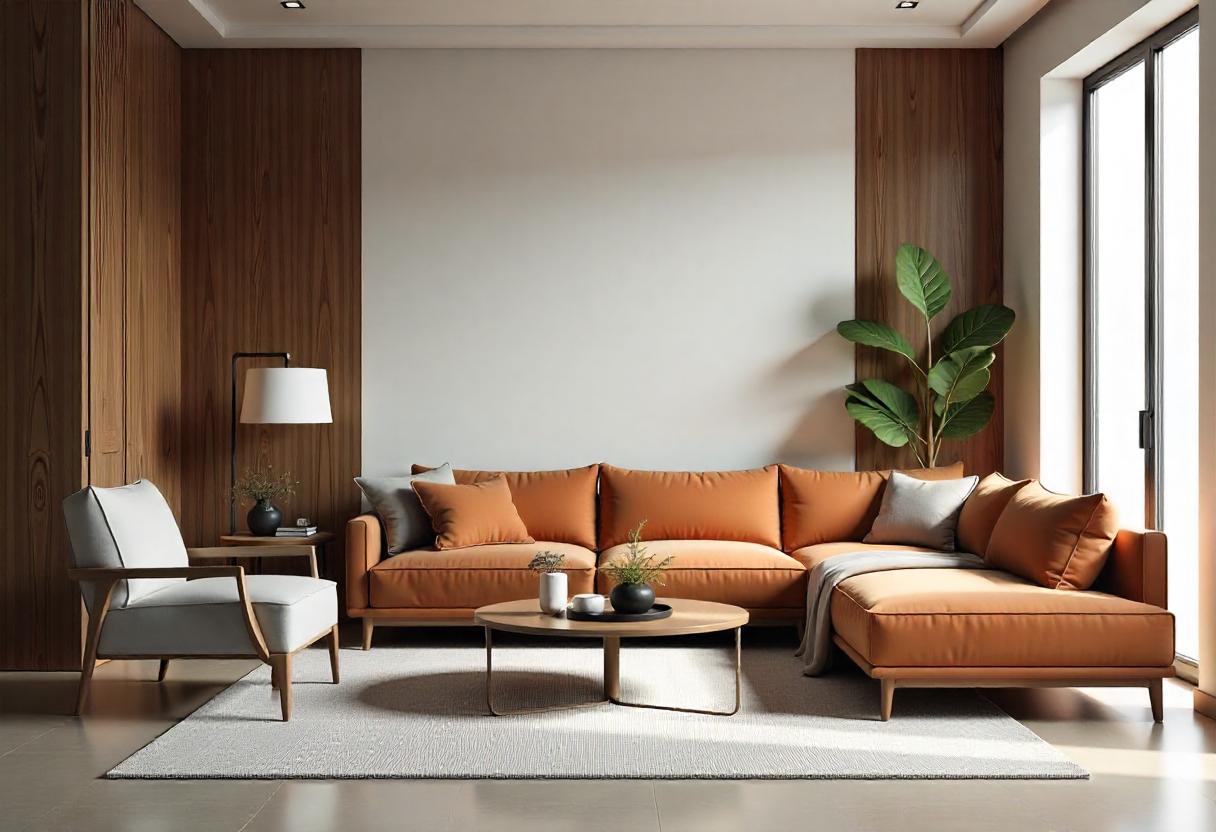
In an era where attention spans are short and competition is intense, businesses and homeowners are increasingly turning to digital tools to make confident, informed decisions. A 3d visualization platform offers one of the most powerful advantages in this space: the ability to preview a project before committing time, money, or materials. This capability not only reduces costly errors but also enhances customer satisfaction and dramatically accelerates the decision-making process—two essential ingredients for both profitability and long-term success.
A New Standard for Business and Home Improvement
Historically, home improvement plans and commercial design concepts relied heavily on sketches, verbal descriptions, and flat floorplans. While these methods communicated basic intentions, they left much to interpretation. Misunderstandings were common, and clients often struggled to visualize the final result until construction or installation was already underway.
3d visualization platforms completely upend this outdated approach. They transform abstract ideas into immersive, photorealistic scenes that replicate real-world scale, lighting, and materials. For businesses—especially those in remodeling, interior design, furniture retail, architecture, and real estate—this means presenting concepts with clarity and precision. For homeowners, it means making confident decisions and avoiding the disappointment of an unexpected outcome.
Bridging the Gap Between Imagination and Reality
One of the greatest challenges in any improvement project is the gap between what a customer imagines and what a contractor delivers. Even the most detailed drawings can fall short in conveying how a space will look once completed. A 3d visualization platform bridges this gap by enabling users to “step inside” the design before work begins.
For example, a homeowner planning a kitchen remodel can experiment with cabinet finishes, countertop materials, appliance layouts, and lighting options in minutes. Rather than flipping through sample books or attempting to mentally combine design elements, they can see the results instantly and make choices with confidence.
Businesses benefit as well. Retailers can showcase products in a variety of environments, letting customers envision how furniture, fixtures, or décor items will look in their own homes. This increases buyer confidence and reduces the likelihood of returns—an enormous advantage in industries where style, scale, and fit matter.
Reducing Costs and Eliminating Guesswork
Mistakes in home improvement projects can be expensive. Choosing the wrong material or misjudging the size of a product often results in delays, change orders, or expensive rework. With a 3D visualization system, these risks diminish significantly.
By allowing clients to approve a realistic mock-up before any physical work begins, businesses can operate with greater accuracy and fewer revisions. This not only protects profit margins but also strengthens client relationships by minimizing surprises. Contractors, designers, and retailers gain a reputation for reliability and professionalism, helping them stand out in a crowded marketplace.
Enhancing Collaboration and Speeding Up Sales
A 3d visualization platform also streamlines collaboration between stakeholders. Designers can adjust layouts during meetings, contractors can verify that plans align with structural requirements, and customers can quickly compare options side-by-side. This real-time collaboration dramatically shortens approval cycles.
From a sales perspective, this speed is invaluable. Instead of waiting days for revised plans, clients can finalize choices in a single session. Businesses can close deals faster, boost conversion rates, and reduce time-consuming back-and-forth communication. For industries that rely on project-based revenue, faster approvals mean more completed jobs in less time.
Empowering Customers Through Interactivity
Modern consumers crave interactivity and personalization. They expect digital experiences that reflect their unique preferences. A 3D visualization tool meets this expectation by giving users hands-on control.
Interactive features may include:
- Drag-and-drop furniture or fixtures
- Material and color customization
- Adjustable lighting to simulate day and night
- Real-time measurements
- Virtual walkthroughs from any angle
This level of engagement builds trust and emotional investment. When customers actively participate in the design process, they become more satisfied with the final product—and more likely to recommend the business to others.
Supporting Marketing and Brand Differentiation
Beyond its operational benefits, a 3d visualization platform can serve as a powerful marketing asset. Businesses can embed interactive scenes on their websites, showcase portfolio designs in 3D galleries, or use virtual renderings in social media campaigns. High-quality visuals stand out online, where users expect professional and visually compelling content.
Brands that offer 3D planning tools differentiate themselves as innovative, customer-centric, and technologically advanced. In an environment where clients have countless options, this type of modern capability often becomes a deciding factor.
Preparing for the Future of Design and Home Improvement
As technology continues to evolve, 3D visualization will only become more integral to business operations. Advancements such as AI-generated layouts, augmented reality overlays, and real-time rendering will expand what these platforms can do. Companies that embrace this transformation early position themselves for long-term relevance and growth.
Homeowners, too, benefit from increased control, reduced risk, and a more enjoyable planning experience. Whether designing a single room or reimagining an entire property, 3D visualization empowers them to make decisions with clarity and confidence.
Final Thoughts
A 3d visualization platform is more than a modern design tool—it’s a strategic asset that improves communication, accelerates sales, enhances customer satisfaction, and reduces costly mistakes. As businesses strive to deliver personalized and efficient experiences, and as homeowners seek certainty in their improvement projects, 3D visualization stands out as an invaluable resource shaping the future of design.