
Have you ever walked into a restaurant, a quiet hotel lobby, or even a buzzing office break room and instantly felt… right? Not just physically comfortable, but emotionally settled. It’s a subtle shift, a sense of belonging that hits you before you even notice the lighting or the artwork. That feeling, that moment of atmospheric alchemy, rarely happens by accident. It is, in fact, the precise point where the nuts and bolts of a construction project fade away, and true design begins.
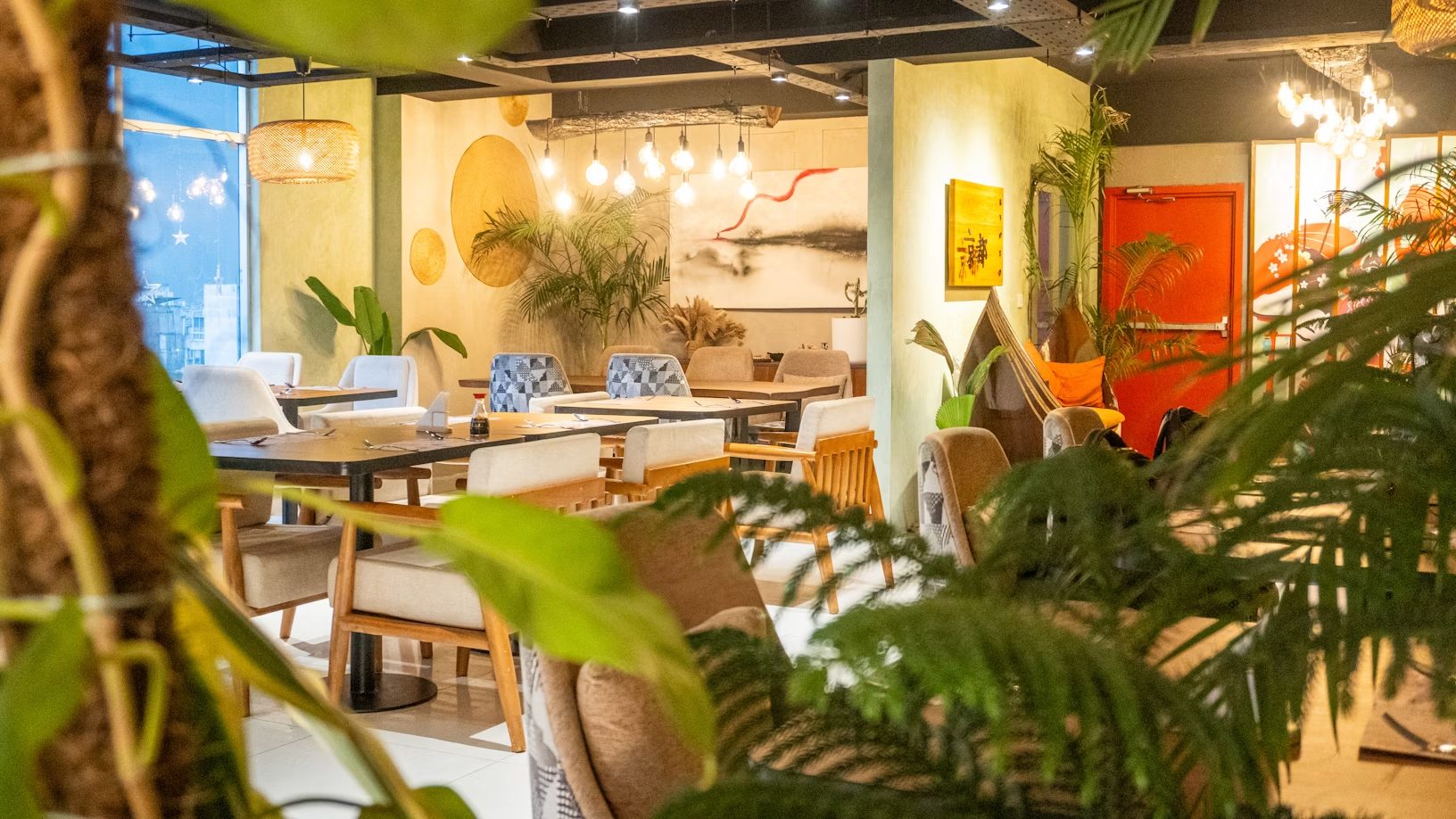
We often talk about construction fit-outs in terms of deadlines, budgets, and square footage. We talk about dry walls, electrics, and plumbing. All critical, of course. But what about the human element? What about the sit factor? Because let’s be honest, whether it’s a banquette in a sleek city bistro or a plush booth in a theatre foyer, where we choose to sit, and how that space makes us feel, is central to the entire experience. This is where the magic of truly tailored commercial seating comes in, transforming a physical shell into a vibrant, living space.
It takes a specific kind of expertise to bridge the gap between an architect’s beautiful 2D rendering and a three-dimensional, emotionally resonant experience. It takes people who understand that a custom seating bench isn’t just wood, foam, and fabric; it’s a conversation starter, a quiet corner, or the backdrop to a significant memory. That’s why, when a project demands perfection and personality in equal measure, discerning clients turn to bespoke seating contractors. They’re the specialists who translate “mood” into millimetres, and “vibe” into vinyl.
The Secret Life of a Restaurant Booth (It’s More Complicated Than You Think)
Think about your favourite coffee shop. Chances are, they have that one bench seat running along the wall, the perfect depth, upholstered just so. Why does that spot feel better than a standard chair?
Here’s the thing: fixed seating, sometimes called built-in or architectural seating, changes the spatial geometry of a room entirely. It defines traffic flow, dictates privacy levels, and crucially, manages acoustics. A standalone chair can be moved; it’s impermanent. A custom-built booth, though, is an immovable feature, a commitment to the space and the people who use it. It becomes part of the building’s personality.
Building this kind of permanent furniture is a delicate dance between craftsmanship and construction logistics. It’s not just joinery; it’s knowing how to hide power points, accommodate uneven floors, meet fire regulations (the dreaded Crib 5 rating, anyone?), and ensure that the final product can withstand years of relentless use. It’s about longevity, yes, but also about something deeper: the enduring quality of an experience. A well-designed booth lasts. It becomes an institution.
Why ‘Off-the-Shelf’ Just Doesn’t Cut It
In the world of commercial fit-outs, you’re always fighting the clock and the budget. You might be tempted to just order standard modular furniture. I get it. It seems easier.
But honestly, that’s where the atmosphere gets lost. When a space feels generic, it often is. Custom, or bespoke, seating, on the other hand, is the antidote to the bland. It allows you to create curves that hug a difficult architectural feature, use specific colour palettes that tie in with local artwork, or build storage underneath that solves a perennial clutter problem.
Let me explain the real value. A standard, square bench might leave a two-inch gap between the wall and the cushion. Two inches of wasted space. Two inches that collect dust and become a visual disconnect. A good bespoke contractor eliminates that gap. They measure the wall’s imperfections. They build the frame to fit that exact corner. It’s the difference between buying a suit off the rack and having one tailored. One fits an average person; the other fits you. In commercial spaces, that level of precision translates directly into perceived quality and, frankly, customer loyalty. People notice the details, even if they can’t articulate why.
The Emotional Intelligence of Materials
You know what? Seating isn’t only about shape; it’s a tactile conversation. The fabric you choose is essentially telling your customers or employees how to feel.
- Velvet and deep colours signal luxury, intimacy, and a slower pace. Think old-world cocktail bars or high-end hotel lounges.
- Woven wools or tweed suggest warmth, comfort, and perhaps a rustic, homely feel, perfect for a gastro-pub or casual dining spot.
- Clean vinyls and easy-to-wipe leatherettes speak to modernity, efficiency, and cleanliness, common in high-traffic cafes or contemporary office areas.
It’s a subtle psychology. Imagine trying to run a high-volume lunch spot where everything is upholstered in delicate silk. It would send a conflicting message; the material would whisper “relax and stay” while the service staff would need you to “eat and go.” The choice of material impacts the entire operational dynamic of the business. The <Image of modern restaurant interior> seating in a lively bar, for instance, needs to be robust, easily cleaned, and perhaps even acoustically dampening, which is something only an experienced contractor would factor into the build specification. It’s about engineering the emotional response.
Getting Into the Nitty-Gritty: From Sketch to Structure
So, how does a bespoke seating project actually happen? It’s not simply ordering a finished product; it’s a deeply collaborative process.
It starts with the concept, often a simple sketch or a mood board from an interior designer. Then comes the critical step of interpretation. The contractor must look at that sketch and ask the hard, practical questions:
- Is this curve structurally sound?
- Can we source this specific type of foam to meet comfort and fire regulations?
- How do we build this modularly so it can be installed easily in a tight timeframe, possibly overnight?
They move from concept to detailed shop drawings, which include every measurement, every stitch line, and every piece of hidden framework. This is the stage where the fantasy of the design meets the reality of physics and construction. The project transitions from a creative vision to a precisely engineered piece of architecture.
It’s often a subtle contradiction: the final product needs to look effortless and spontaneous, but the creation process is intensely structured and precise. This is the hallmark of true skill. Like a great chef whose dish seems simple but involves hours of unseen preparation, the best bespoke seating appears seamlessly integrated into the space because the contractors have laboured over every hidden joint and screw.
Designing for the Digital Lifestyle
Think about how we live now. We’re all tethered to devices. This changes how we interact with commercial furniture. A good contractor understands that seating is also a utility provider.
A bespoke bench or booth in a modern workspace isn’t just a place to sit; it’s a place to plug in. Integrated USB ports, hidden cable routing, and even subtle lighting features are now standard requests. They are no longer “nice-to-haves”; they are fundamental to how people use the space for collaboration or quiet concentration.
This digression into technology circles right back to the central theme: seating is about atmosphere and function, not just form. The contractor isn’t just a carpenter or an upholsterer; they are an integrated problem solver. They have to anticipate how modern life will intersect with the physical space. They’re designing seating for the era of remote work and the four-hour brunch.
The Final Stitch: When Atmosphere Takes Over
When the final delivery is made, and the installation is complete, there’s a moment on every project where the construction site dust settles. The tools are packed away. The construction team leaves.
Suddenly, that custom bench is no longer a construction element. It’s a place where two people will share a secret. It’s where a team will celebrate a project win. It’s where a weary traveller will finally take a comfortable load off.
The true success of any commercial fit-out is measured not by the adherence to the budget, though that matters, but by the feeling it leaves behind. When construction ends, atmosphere begins. And in the world of fixed, bespoke furniture, the contractors who build these spaces aren’t just installing fixtures; they’re engineering moments. They’re building environments that feel deeply, instinctively right. It’s a quiet, understated, and essential form of emotional architecture, one seat at a time. It’s the difference between a place you visit and a place you truly inhabit.