
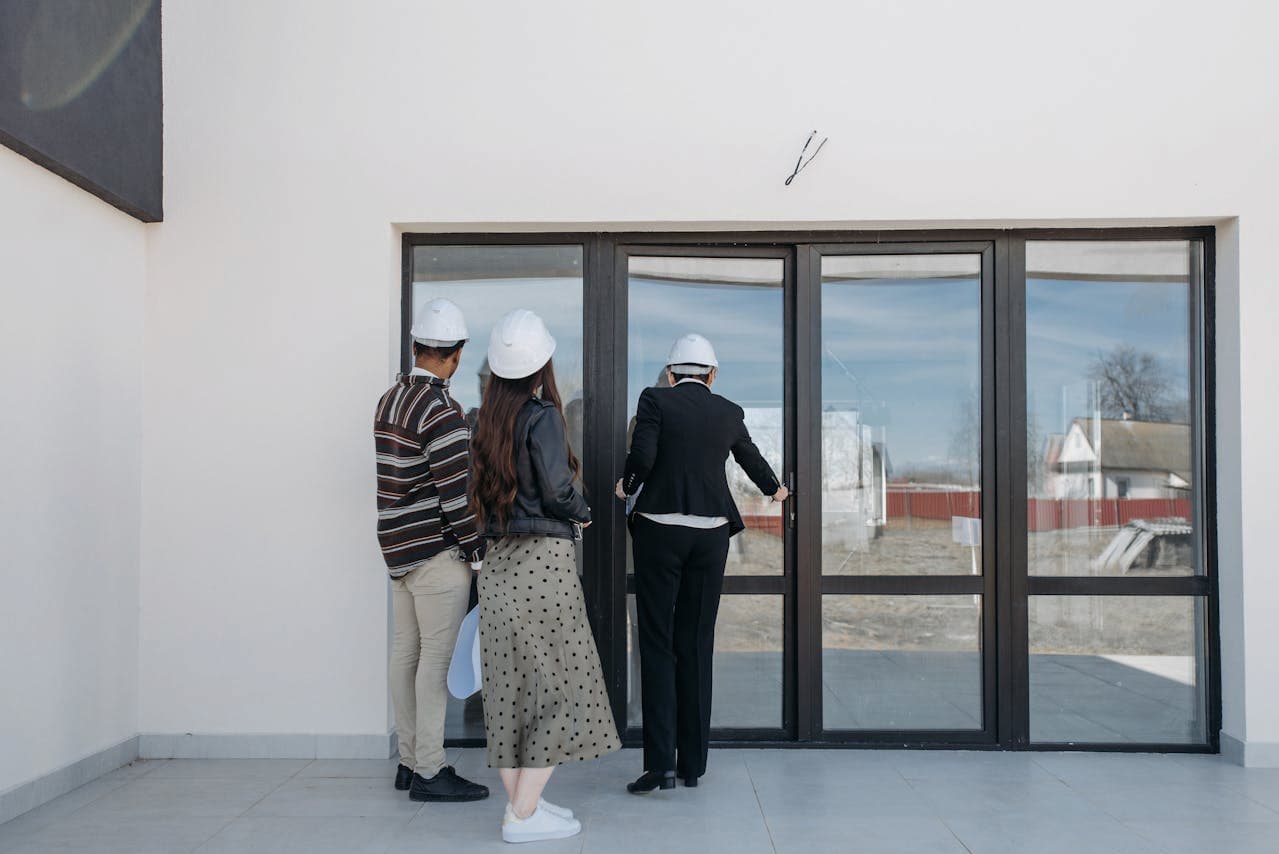
There are many factors that can quietly drain a contractor’s profits. Often, it is not the major errors that cause the most damage. It is the smaller mistakes that go unnoticed. Mistakes that seem minor at first can quickly add up across multiple jobs.
Poor window planning is one of these often-ignored issues. While it may seem like a fundamental part of a build, poor window choices can lead to severe cost overruns. Contractors frequently face delays, wasted materials, and unhappy clients because of this.
These problems often start early and may persist throughout a project, even before a single tool is picked up. Examining how window planning goes wrong can reveal where money is quietly slipping away.
Overlooking Placement and Design Early On
Window placement is more than simply deciding where light should enter. It affects heating, cooling, privacy, and the way the room is used. Many contractors overlook these factors until it is too late, which leads to changes that cost both time and money.
Builders often encounter homes with strict design limitations. Getting windows right requires balancing aesthetics with energy efficiency and structural fit. If that balance is missed, contractors may face additional material costs or delays while adjustments are made.
In the United States, window mistakes often occur in projects that do not account for regional weather differences. A south-facing window in Arizona can overheat a room, while the same window in Minnesota might reduce heating costs. These oversights can lead to poor performance and client complaints after the build.
In Australia, poor planning around window placement frequently causes practical and visual problems. This is especially true in locations where external features like shutters are common, such as in shutters Newcastle projects. Ignoring local climate and design needs in these areas can result in expensive rework and dissatisfied clients.
It is essential to think beyond appearance. In places like Newcastle, positioning windows without considering sunlight, wind, and outdoor noise can create long-term issues. A little thought during the planning phase can prevent major setbacks once the project is underway.
Ignoring Building Regulations and Code Compliance
Window rules are not always top of mind during planning, but they are important. Codes exist to ensure buildings are safe, energy-efficient, and suitable for living. When windows do not meet these requirements, projects can come to a halt.
Inspectors do not overlook mistakes. If windows are the wrong size for a fire escape or do not meet ventilation standards, they must be replaced. This means undoing work that has already been completed, consuming both time and budget.
Even in smaller towns, window regulations may be strict, especially in new developments. Ignoring these rules adds unplanned costs that could have been avoided with a simple check during planning. Staying up to date with local requirements prevents delays and protects contractors’ earnings.
Miscommunication Between Teams
Not everyone on a project speaks the same technical language. Misunderstandings between designers, suppliers, and builders can lead to incorrect window sizes or missing features. When these issues are only noticed upon delivery, problems arise.
It is not just about measurements. Design plans may indicate one thing, while a site manager interprets them differently, leading to costly mistakes. Even details such as frame colour or hinge style can require reordering or additional installation steps.
Reordering windows can hold up the entire project. Other trades may be left waiting, and timelines are pushed back. These delays affect every part of the build and create pressure for everyone involved. Early and clear communication is essential. A short team meeting before ordering can keep the project running more smoothly and cost-effectively.
Poor Timing in Delivery and Installation
Windows arriving at the wrong stage of construction cause major issues. Early delivery means they may sit idle, risking damage or theft. Late delivery halts progress, especially if other work depends on their installation.
Timing problems often arise from unclear schedules or supply chain gaps. When the installation team is ready but windows are not, delays affect the entire project timeline. This pushes other trades back and increases pressure on tight deadlines.
Effective timing avoids these issues. Coordinating deliveries based on actual site progress rather than estimates keeps the build moving without extra stress. This planning habit saves money and reduces downtime.
Missed Opportunities for Energy Efficiency
Selecting the wrong type of window can lead to future complaints about energy bills. Clients may not know what to look for, but they expect windows to improve comfort and reduce running costs. If windows fail to meet these expectations, the responsibility falls on the builder.
Energy efficiency involves more than glass thickness or labels. Proper placement and sealing are equally important. A high-quality window that is poorly installed will underperform, while a basic window installed correctly may perform better than expected.
Contractors who focus on performance as well as price make better decisions. This approach reduces callbacks and results in more satisfied clients.
Final Thoughts
Many contractors lose money to window planning mistakes without realising it. These quiet errors do not become obvious until they cause delays, rework, or damage a builder’s reputation. Paying extra attention early in the process can make a significant difference.
Better planning is a small investment that saves thousands. When windows are thoughtfully planned from the start, the rest of the project proceeds more smoothly, with fewer problems along the way.