
Every parent knows that providing a safe and comfortable sleep environment for their baby is one of the most important responsibilities in early childhood. With so many options available, selecting the right crib mattress can feel overwhelming. If you’re looking for guidance, this baby sleep comfort guide will help you make informed decisions about safety, comfort, and durability, ensuring your little one gets the restful sleep they need to grow and thrive.
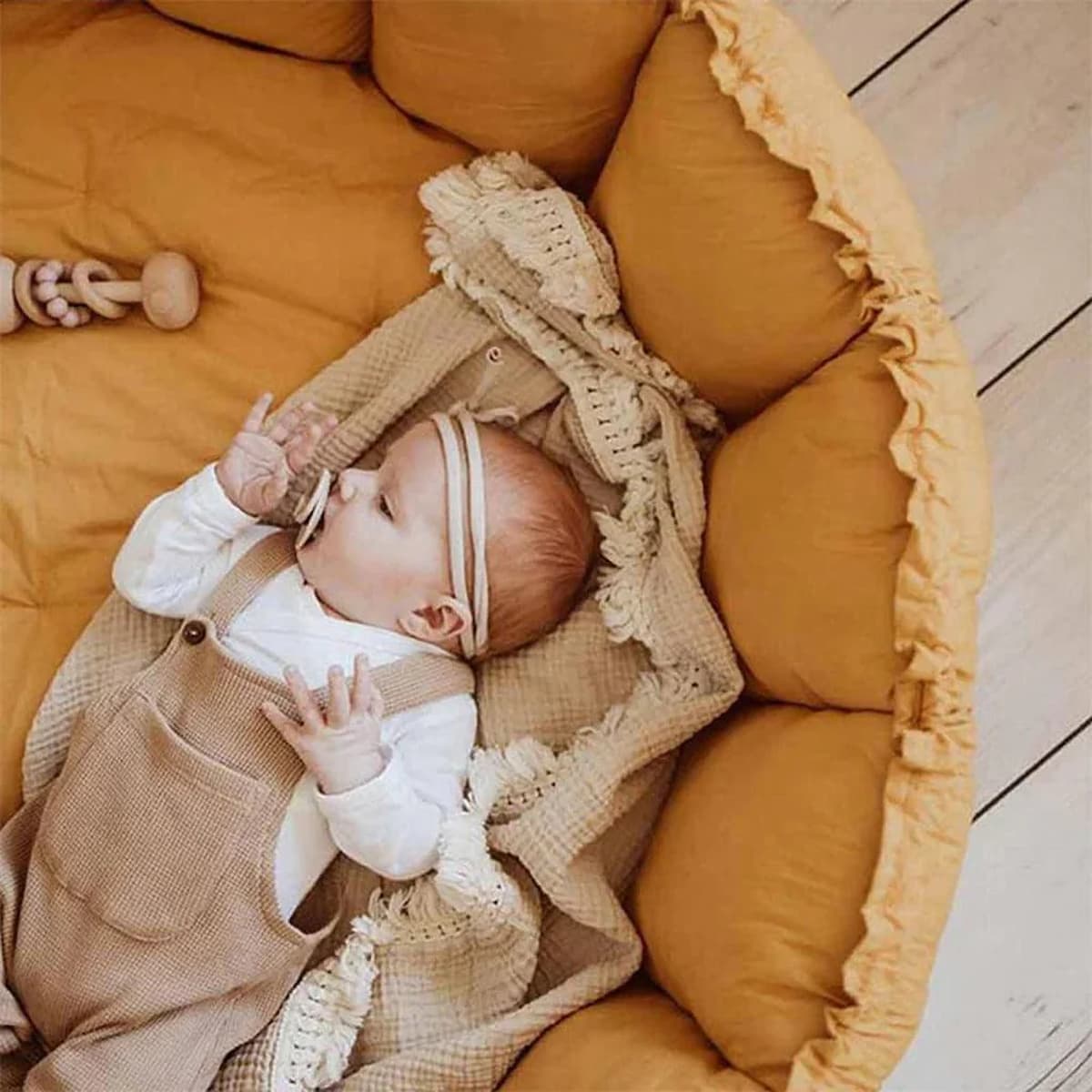
A crib mattress may seem like a small item in the grand scheme of nursery furniture, but its impact on your baby’s health, development, and overall sleep quality cannot be overstated. Choosing wisely now can prevent safety hazards and support better sleep patterns for years to come.
Understanding Crib Mattress Safety Standards
When it comes to baby sleep, safety should always be your top priority. The first step in selecting a crib mattress is ensuring that it meets recognized safety standards. In the United States, this means looking for products that comply with the Consumer Product Safety Commission (CPSC) regulations. These regulations include specifications for flammability, toxic materials, and structural integrity.
A mattress that is too soft or poorly fitted can increase the risk of suffocation or Sudden Infant Death Syndrome (SIDS). Therefore, a firm, flat surface that fits snugly within your crib frame is essential. Ideally, there should be no more than a finger-width of space between the mattress and the crib sides.
Key Safety Features to Consider
- Firmness: Always opt for a firm mattress. A soft mattress may seem cozy, but it poses a significant safety risk for infants.
- Fit: Measure your crib carefully and choose a mattress that fits perfectly. Gaps between the mattress and crib walls can be dangerous.
- Material Safety: Look for certifications such as GREENGUARD Gold or OEKO-TEX Standard 100, which ensure the mattress is free from harmful chemicals.
- Waterproof Cover: Accidents are inevitable, so a waterproof cover or washable mattress pad can prevent mold and bacterial growth.
Comfort Matters: Supporting Healthy Sleep
While safety is non-negotiable, comfort is equally important. A well-designed crib mattress supports your baby’s developing body and promotes uninterrupted sleep. Here are some factors to consider for maximum comfort:
1. Material Types
- Innerspring Mattresses: Traditional innerspring mattresses provide firm support with minimal sagging. They are durable and often more breathable than foam mattresses, which can help regulate your baby’s body temperature.
- Foam Mattresses: High-density foam mattresses can offer firm support while remaining lightweight. Memory foam is generally not recommended for infants due to its soft, contouring nature.
- Organic Mattresses: Made from natural fibers like organic cotton or wool, these mattresses are hypoallergenic and chemical-free, making them ideal for babies with sensitive skin.
2. Breathability and Temperature Regulation
Babies are more prone to overheating during sleep, so breathable materials are essential. Look for crib mattresses that feature ventilated cores or breathable covers, allowing for better air circulation and a comfortable sleep temperature throughout the night.
3. Durability and Longevity
A crib mattress is an investment that should last throughout your child’s early years. Durable materials that maintain their shape and firmness over time are crucial. Avoid mattresses that sag or become lumpy after minimal use, as they compromise both safety and comfort.
Choosing the Right Size
Crib mattresses are generally standardized in size, but there are slight variations to be aware of. A standard crib mattress typically measures 52 inches long by 28 inches wide, but it’s always important to check your crib’s dimensions before purchasing. A snug fit prevents dangerous gaps where your baby could become trapped.
Some parents also consider mini cribs or portable cribs, which require smaller mattresses. If you opt for a non-standard crib, make sure you purchase a mattress specifically designed for that size. Never attempt to use a mattress that isn’t a perfect fit.
Maintaining Your Crib Mattress
Proper maintenance is key to ensuring both safety and comfort over time. Here are some best practices:
- Use a Mattress Protector: A waterproof mattress protector shields against spills and stains while keeping the mattress hygienic.
- Rotate Regularly: If the mattress allows, rotate it occasionally to prevent uneven wear.
- Clean Promptly: Clean spills immediately with a gentle, baby-safe cleaner to prevent mold or bacteria buildup.
- Check for Wear: Regularly inspect the mattress for signs of sagging, holes, or loose seams. Replace the mattress if it shows significant wear.
Additional Tips for Better Sleep
- Keep the Crib Simple: Avoid placing pillows, blankets, or stuffed animals in the crib, as these items can increase the risk of suffocation.
- Monitor Room Temperature: Maintain a comfortable room temperature, ideally between 68–72°F (20–22°C), to support restful sleep.
- Establish a Routine: Consistent bedtime routines can help your baby associate the crib with sleep, making transitions easier and sleep more peaceful.
Making the Final Decision
When selecting a crib mattress, balance safety, comfort, and practicality. While it may be tempting to focus solely on price or aesthetics, prioritize mattresses that meet stringent safety standards and provide firm, supportive sleep. Investing in a high-quality crib mattress not only protects your baby but also supports healthy sleep habits that benefit the entire family.
Consider consulting baby sleep comfort guides and product reviews to find the best options available. Often, reading expert recommendations and parent feedback can simplify the decision-making process, ensuring you choose a mattress that checks all the boxes.
Conclusion
Small structures like crib mattresses may seem insignificant, but their impact on your baby’s health, safety, and sleep quality is enormous. By choosing the right mattress, parents can provide a secure, comfortable, and supportive environment that promotes healthy development. Focus on safety standards, material quality, comfort, and proper fit, and your baby will enjoy nights of restorative sleep that allow them to grow and thrive.
Remember, a good crib mattress isn’t just a purchase—it’s an investment in your child’s wellbeing. Take the time to research, compare, and choose wisely, and you’ll create a sleep environment that benefits your baby for years to come.