
Adelaide’s commercial construction landscape is experiencing unprecedented growth, driven by the city’s expanding technology sector, thriving food and wine industry, and strategic position as South Australia’s economic hub.
From the bustling CBD developments along North Terrace to the innovative industrial complexes in the northern suburbs, commercial construction projects are reshaping Adelaide’s skyline and infrastructure.
However, the complexity of modern commercial construction demands sophisticated coordination between multiple specialized contractors, each bringing unique expertise to different phases of development.
At the heart of successful commercial construction projects lies the critical role of civil engineering companies, which serve as the orchestrating force that transforms conceptual designs into functional commercial spaces.
The role of a professional civil engineering company extends far beyond traditional design services to encompass comprehensive project leadership that coordinates all phases of commercial construction.
These firms don’t merely provide technical drawings; they serve as project coordinators, quality assurance specialists, and strategic partners who ensure that every element of construction, from initial site preparation and asphalt paving to specialized floor coatings and final interior finishing, comes together seamlessly to create world-class commercial facilities.
The success of Adelaide’s commercial construction boom depends on the ability of civil engineering firms to coordinate complex multi-phase projects that involve numerous specialized contractors.
This coordination challenge has become increasingly sophisticated as commercial buildings incorporate advanced technologies, sustainable design elements, and specialized systems that require precise timing and expert installation.
Understanding how this coordination process works provides valuable insights for developers, business owners, and industry professionals involved in Adelaide’s dynamic commercial construction market.
The Strategic Foundation: Civil Engineering Leadership in Adelaide’s Commercial Projects
In Adelaide’s competitive construction market, these firms serve as the central hub that brings together diverse specialists, manages complex timelines, and ensures that projects meet stringent Australian building standards while staying within budget constraints.
Adelaide’s unique geographical and regulatory environment presents specific challenges that require expert civil engineering guidance. The city’s predominantly clay soils, variable rainfall patterns, and proximity to both hills and coastal areas create site-specific conditions that must be carefully analyzed and addressed through professional engineering solutions.
Additionally, compliance with South Australian building codes, environmental regulations, and local council requirements demands specialized knowledge that experienced civil engineering firms possess.
The coordination challenge begins with initial project planning, where civil engineering companies work closely with architects, developers, and commercial construction company to establish realistic timelines, identify potential challenges, and develop comprehensive project delivery strategies.
This early collaboration ensures that all stakeholders understand their roles, responsibilities, and interdependencies throughout the construction process.
Modern commercial construction projects in Adelaide typically involve multiple specialized contractors working simultaneously or in carefully sequenced phases.
Civil engineering companies serve as the orchestrating force that ensures these diverse specialists work together efficiently, avoiding conflicts and delays that could compromise project success.
This coordination requires a deep understanding of construction processes, material requirements, and the technical capabilities of different trade contractors.
Phase One: Site Preparation and Infrastructure Foundation
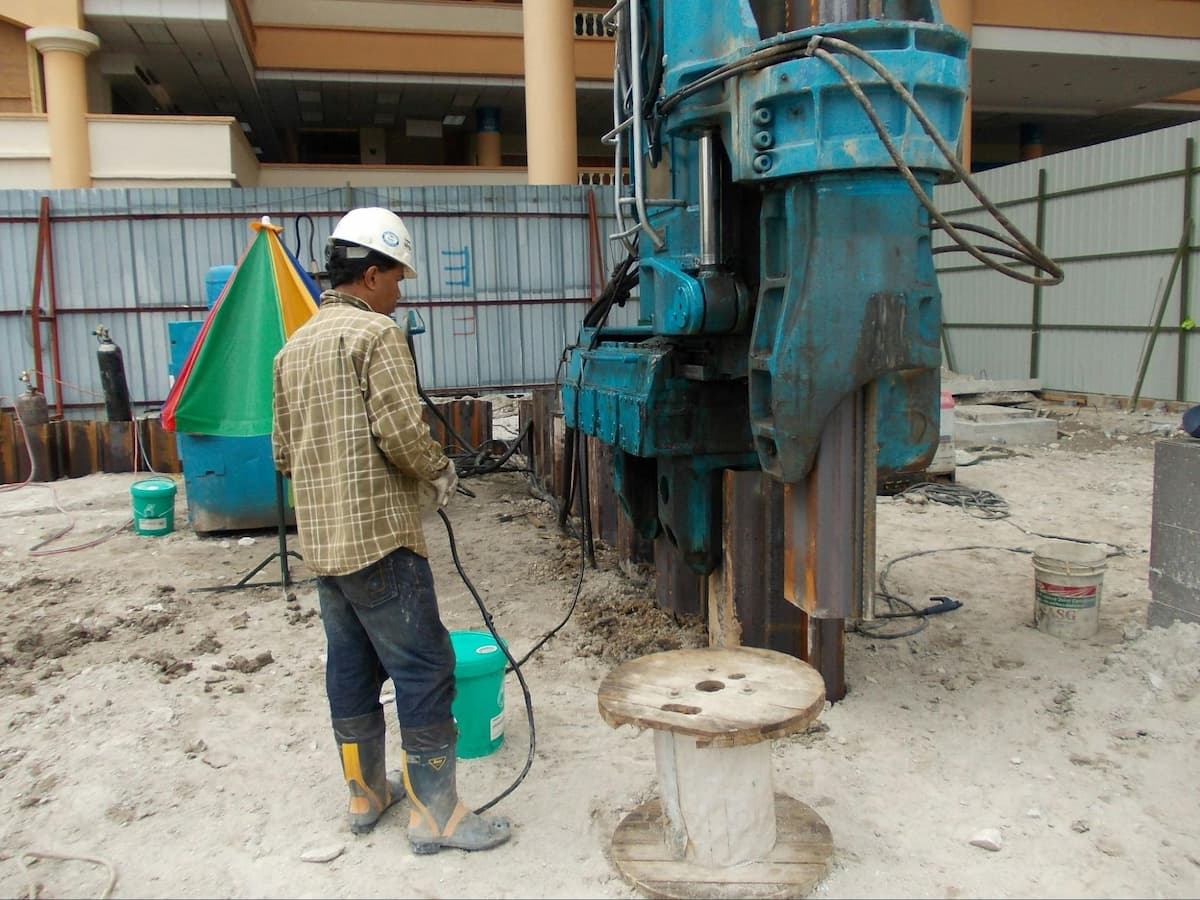
The foundation of any successful commercial construction project lies in comprehensive site preparation that addresses Adelaide’s unique soil conditions, drainage requirements, and infrastructure needs. Adelaide’s clay soils present particular challenges that require expert analysis and specialized treatment to ensure stable foundations and long-term structural integrity.
Civil engineering companies begin with detailed geotechnical investigations that evaluate soil composition, bearing capacity, and seasonal movement characteristics typical of Adelaide’s clay soils. This analysis informs foundation design decisions and determines necessary soil stabilization measures that prevent future structural problems and ensure compliance with Australian building standards.
Site preparation involves extensive earthwork operations that reshape the terrain to accommodate building footprints, parking areas, utilities, and drainage systems. The coordination of earthmoving equipment, material deliveries, and site safety measures requires careful planning and ongoing oversight that civil engineering companies provide throughout this critical phase.
Infrastructure development includes the installation of essential utilities such as water, sewer, electrical, and telecommunications services that support both construction activities and long-term facility operations.
The complexity of utility coordination in Adelaide’s established urban areas requires careful planning to avoid conflicts with existing infrastructure while ensuring adequate capacity for commercial operations.
Quality paving provides durable surfaces for parking areas, loading zones, and access roads that support daily commercial operations while creating professional appearances that reflect positively on business facilities. The integration of paving work with other site improvements demands careful sequencing and quality control that civil engineering oversight provides.
Phase Two: Structural Systems and Building Framework
The structural phase establishes the fundamental framework that supports all other building systems and finishes, making precision and quality control essential for long-term project success.
Civil engineering companies provide critical oversight during this phase, ensuring that structural work meets design specifications while coordinating with other trades to prevent conflicts and delays.
Foundation installation requires careful attention to Adelaide’s clay soil characteristics, incorporating appropriate footings, piers, or raft slabs that accommodate seasonal soil movement while providing stable support for the commercial structure.
Civil engineering oversight ensures that foundation work meets structural requirements while preparing for subsequent construction phases.
Structural steel or concrete frame installation demands precise coordination between different trades to ensure proper installation while accommodating mechanical, electrical, and plumbing systems that will be installed in later phases.
Professional firms like CJCManagement Civil and structural engineering facilitate coordination meetings, resolve conflicts, and verify that all work meets design specifications and Australian building standards through their comprehensive project management approach.
Building envelope coordination encompasses exterior walls, roofing systems, windows, and doors that protect interior spaces while providing architectural character. The integration of these elements requires careful sequencing and quality control that prevents moisture infiltration, energy loss, and structural problems that could affect long-term building performance.
Mechanical, electrical, and plumbing (MEP) rough-in coordination during the structural phase requires extensive planning to ensure that all systems integrate properly without conflicting with structural elements.
Civil engineering companies provide technical oversight and facilitate communication between different trades to ensure optimal system integration and performance.
Phase Three: Site Work and Exterior Infrastructure
The site work phase encompasses all external improvements that support building operations while creating functional outdoor spaces for parking, landscaping, and site circulation.
This phase requires coordination between civil engineering oversight, specialized contractors, and landscape professionals to create cohesive exterior environments.
Professional asphalt paving represents a critical component of site work that requires precise coordination with drainage systems, utilities, and landscape elements. Quality asphalt installation provides durable surfaces for parking areas, drive lanes, and loading zones that support daily commercial operations while maintaining an attractive appearance that reflects positively on the business facility.
The integration of asphalt paving with stormwater management systems requires careful attention to grading, drainage inlets, and surface treatments that direct water flow while preventing ponding or erosion.
Civil engineering companies ensure that paving contractors understand and implement proper drainage integration that protects both paved surfaces and surrounding landscape areas.
Utility coordination during site work includes final connections for electrical, water, sewer, telecommunications, and specialized systems that support building operations.
This coordination requires precise timing to avoid conflicts between different utility installations while ensuring that all systems function properly upon building completion.
Landscape integration involves coordinating between paving contractors, irrigation installers, and landscape professionals to create attractive, functional outdoor spaces that complement the commercial facility. Civil engineering oversight ensures that all elements integrate properly while meeting maintenance requirements and regulatory standards.
Site lighting, signage, and security system installation require coordination with electrical contractors and specialized vendors to provide safe, attractive, and functional exterior environments.
This coordination ensures that all systems integrate properly while meeting local regulations and business operational requirements.
Phase Four: Building Systems Integration and Interior Preparation
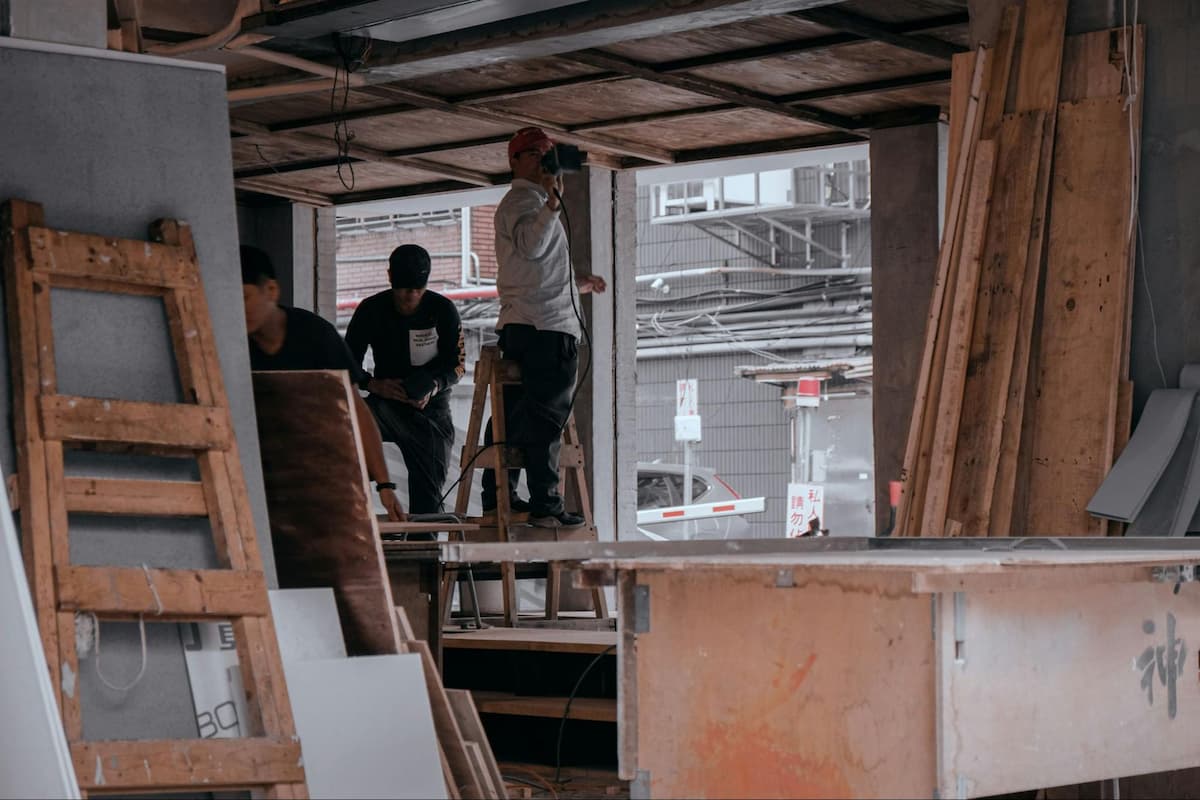
The building systems phase involves installing all mechanical, electrical, plumbing, and specialty systems that enable commercial operations. This complex phase requires extensive coordination between multiple specialized contractors working in confined spaces with intricate interdependencies between different systems.
HVAC system installation must integrate with structural elements, electrical systems, and architectural features while ensuring optimal performance in Adelaide’s climate conditions.
Civil engineering companies coordinate between different trades to prevent conflicts while ensuring that systems meet energy efficiency requirements and provide comfortable interior environments for commercial use.
Electrical system coordination encompasses power distribution, lighting, communications, security, and fire safety systems that require precise integration with other building systems.
The complexity of modern commercial buildings demands sophisticated coordination to ensure all electrical systems function properly while meeting Australian electrical codes and operational requirements.
Plumbing and fire protection systems require coordination with structural elements and mechanical systems to ensure proper functionality while maintaining accessibility for maintenance and servicing. Civil engineering oversight helps ensure that all installations meet design requirements, regulatory standards, and long-term performance expectations.
Interior preparation for specialized flooring systems becomes critical during this phase, as surfaces must be properly prepared to accommodate advanced coating systems. Professional polyurea floor coating applications require precise surface preparation, environmental controls, and quality assurance that civil engineering companies help coordinate and oversee.
These specialized coatings provide durable, attractive surfaces for commercial and industrial applications that require resistance to chemicals, wear, and heavy traffic loads.
The coordination of specialized systems installation requires careful attention to sequencing, quality control, and integration with other building elements to ensure optimal performance and longevity.
Phase Five: Interior Finishes and Final Coordination
The interior finishing phase transforms functional building shells into attractive, productive commercial spaces through careful coordination of flooring, wall finishes, ceilings, and specialized systems. This phase requires meticulous attention to detail and precise scheduling to ensure high-quality results within project timelines.
Ceiling system installation encompasses both functional and aesthetic considerations, including integration with lighting, HVAC, fire protection, and communications systems.
The coordination of ceiling installation with other finishing trades requires careful planning to ensure efficient project completion while maintaining the quality standards expected in Adelaide’s commercial market.
Wall finishing coordination involves ensuring that all surfaces are properly prepared and finished to meet both functional and aesthetic requirements. This coordination includes managing the sequence of different finishing operations to prevent conflicts while ensuring professional results that reflect positively on the commercial facility.
Professional painting represents the final aesthetic transformation that creates attractive, professional environments suitable for commercial operations. Expert interior painters Adelaide provide specialized services that require coordination with other finishing trades to achieve superior results.
The integration of painting services with other final finishes requires attention to surface preparation, material compatibility, and application sequencing that achieves desired aesthetic outcomes while protecting completed work.
Final systems commissioning involves comprehensive testing and adjustment of all building systems to ensure proper performance and integration. Civil engineering companies coordinate commissioning activities across all building systems to ensure optimal performance, regulatory compliance, and client satisfaction.
Quality assurance inspections during the final phase include a comprehensive evaluation of all construction elements to identify and resolve any deficiencies before project completion.
This thorough process ensures that completed facilities meet all design requirements, regulatory standards, and client expectations while providing documentation for warranty and maintenance purposes.
Technology and Innovation in Adelaide’s Commercial Construction
Modern commercial construction projects increasingly leverage advanced technology for improved coordination, quality control, and project management. Civil engineering companies in Adelaide are adopting sophisticated tools that enhance their ability to coordinate complex projects while providing better outcomes for clients and stakeholders.
Building Information Modeling (BIM) technology enables comprehensive three-dimensional project visualization and coordination that helps identify potential conflicts before they occur during construction.
This technology improves coordination between different trades while reducing costly changes and delays that can impact project budgets and timelines.
Digital project management platforms provide real-time communication and coordination capabilities that keep all stakeholders informed about progress, changes, and requirements.
These tools improve efficiency while ensuring that all parties have access to current project information and can respond quickly to emerging issues or opportunities.
Quality control technology, including digital inspection tools and documentation systems, improves the accuracy and efficiency of quality assurance processes while creating comprehensive project records for warranty support and future facility management.
Mobile communication tools enable real-time coordination between project managers and field personnel, improving response times and decision-making capabilities.
Regulatory Compliance and Quality Standards

Adelaide’s commercial construction projects must comply with comprehensive regulatory requirements, including Australian building codes, South Australian regulations, environmental protection standards, and workplace safety requirements.
Civil engineering companies play crucial roles in ensuring regulatory compliance throughout all project phases.
Building code compliance requires ongoing attention to structural requirements, fire safety systems, accessibility standards, and energy efficiency requirements that affect all aspects of commercial construction. Civil engineering oversight helps ensure that all contractors understand and implement applicable requirements while maintaining project efficiency and quality.
Environmental compliance encompasses stormwater management, soil protection, noise control, and waste management requirements that affect construction activities and long-term facility operations. Civil engineering companies coordinate compliance activities across all project phases while working with specialized contractors and regulatory agencies.
WorkSafe SA compliance involves ensuring that all contractors maintain appropriate safety standards throughout the construction process, protecting workers while preventing project delays and liability issues that could impact project success and stakeholder relationships.
The Adelaide Advantage: Local Expertise and Collaboration
Adelaide’s commercial construction industry benefits from a collaborative approach that leverages local expertise while incorporating best practices from national and international markets. This combination creates competitive advantages for commercial construction projects throughout South Australia.
Local contractors understand Adelaide’s unique requirements, including clay soil conditions, climate considerations, and regulatory environment, while experienced civil engineering firms provide coordination capabilities that enable complex project execution.
The emphasis on collaboration and quality in Adelaide’s construction industry creates opportunities for innovative solutions and superior project outcomes.
Strong relationships between civil engineering companies, specialized contractors, and suppliers enable efficient project execution while ensuring quality results that meet client expectations.
These relationships, combined with deep local knowledge and proven project management methodologies, position Adelaide as a leading commercial construction market in Australia.
Future Trends and Continuous Improvement
Adelaide’s commercial construction industry continues evolving through the adoption of new technologies, sustainable practices, and innovative construction methods that improve project outcomes while reducing costs and environmental impact. Civil engineering companies must stay current with these trends to provide effective coordination and project management services.
Sustainable construction practices continue to develop through new materials, systems, and design approaches that reduce environmental impact while improving building performance. Civil engineering coordination ensures that sustainable features integrate properly with other building systems while meeting performance requirements and client objectives.
Modular and prefabricated construction methods offer opportunities for improved quality, reduced timelines, and enhanced cost control in commercial projects. Civil engineering companies play crucial roles in coordinating these innovative approaches while ensuring quality standards and performance requirements are maintained throughout the construction process.
Conclusion: The Integrated Approach to Adelaide’s Commercial Construction Excellence
The success of commercial construction projects in Adelaide depends on the masterful coordination of diverse specialized contractors, each bringing essential expertise to create functional, attractive, and sustainable commercial facilities.
Civil engineering companies serve as the central coordinating force that transforms individual contractor capabilities into seamless project execution and superior outcomes.
This integrated approach leverages the specialized knowledge of different trades from initial site preparation and structural work to advanced flooring systems and professional finishing services while ensuring that all elements work together harmoniously.
The result is commercial facilities that exceed client expectations while supporting Adelaide’s continued economic growth and development.
The collaborative culture of Adelaide’s construction industry, combined with the technical expertise of civil engineering firms and the specialized skills of trade contractors, creates a competitive advantage that positions Adelaide as a leading commercial construction market. This approach delivers projects that meet strict quality standards, comply with all regulatory requirements, and provide long-term value for building owners and occupants.
For developers, business owners, and industry professionals involved in Adelaide’s commercial construction market, understanding and leveraging this coordinated approach provides the foundation for project success.
By working with experienced civil engineering companies that understand local conditions and maintain strong relationships with specialized contractors, stakeholders can achieve superior results while managing risks and optimizing project outcomes.
The continued evolution of construction technologies, sustainable practices, and innovative methods ensures that Adelaide’s commercial construction industry will remain at the forefront of Australian construction excellence.
Civil engineering companies that master the art of coordination while embracing technological advancement will continue leading this dynamic and growing market, delivering exceptional commercial facilities that support South Australia’s economic future.