
How can construction sites safely store fuel to prevent accidents, ensure a steady supply, and comply with regulations? Fuel storage on construction sites requires careful planning and execution. This article covers essential tips on selecting the right tanks, safe storage practices, and maintaining compliance to help you keep your site safe and efficient.
Key Takeaways
- Fuel storage tanks are crucial for minimizing downtime and enhancing efficiency on construction sites, allowing for bulk purchases and streamlined operations.
- Selecting the appropriate fuel tank requires careful consideration of project specifications, such as size, type, and environmental conditions to ensure durability and compliance.
- Implementing robust safety practices, including regular inspections and adherence to regulations, is essential to prevent leaks, spills, and environmental contamination.
Importance of Fuel Storage Tanks for Construction Sites
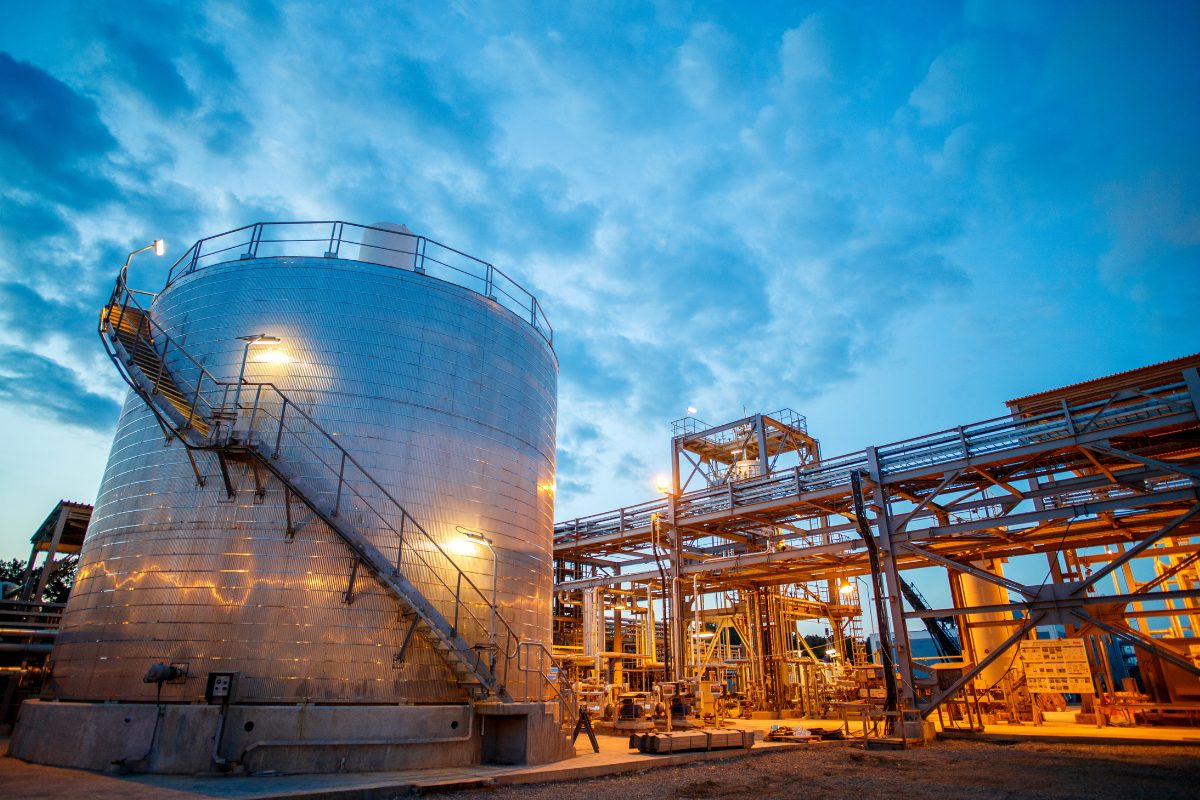
Fuel storage tanks are the backbone of any construction site. They ensure a continuous fuel supply, minimizing downtime and enhancing efficiency. Imagine a scenario where your machinery runs dry in the middle of a critical task – the delays and costs can be staggering. On-site fuel storage allows for quick refueling, reducing downtime and significantly increasing site productivity.
Moreover, bulk purchase through on-site storage can lead to substantial cost savings. Lowering overall fuel costs and transportation expenses allows construction companies to allocate resources more effectively. The use of larger-capacity fuel tanks also plays a crucial role in this efficiency, as it reduces the frequency of fuel deliveries, thereby contributing to a more streamlined operation.
Having multiple in and out ports on fuel tanks enhances operational efficiency by extending runtimes and minimizing the risk of running dry. Additionally, stationary fuel storage tanks ensure compliance with safety regulations, creating a safer working environment for everyone on site, where static electricity can also be a concern.
Choosing the Right Tank for Your Site
Selecting the right fuel tank for your construction site is a decision that requires careful consideration. Factors such as project size, fuel type, mobility needs, and security requirements play a significant role in this decision. For instance, a large-scale project may necessitate a high-capacity stationary tank, while a smaller, more mobile project might benefit from portable fuel tanks.
The choice of tank material is equally important. Aluminum tanks are lightweight and corrosion-resistant, making them easier to transport and offering an extended service life. On the other hand, polyethylene tanks provide flexibility in design and are resistant to corrosion, making them suitable for a variety of liquids. Steel tanks, known for their strength and durability, are ideal for heavy-duty applications in the construction industry.
It’s also essential to assess the environmental conditions where the tank will be located. Factors like temperature can impact the performance of the tank material, so choosing the right one for your specific conditions is crucial. Considering these factors ensures that your fuel storage solution remains efficient and durable.
Safe Storage Practices
Safe storage practices are paramount to preventing accidents and ensuring the integrity of your fuel supply. Positioning fuel storage tanks at least 10 meters away from water bodies minimizes the risk of contamination. Tanks should also be placed in areas that minimize the risk of damage from weather, machinery, or flooding.
Safety features in fuel storage tanks play a critical role in preventing leaks and spills, protecting both workers and the environment. Ancillary equipment, such as valve and filters, should be positioned within the bund to protect them from potential leaks. Clear labeling on storage tanks is essential to indicate their contents and potential hazards, improving safety during transport and handling. All storage tanks should be correctly labelled to enhance safety.
Regular inspections are crucial to maintaining the functionality and safety of fuel storage tanks. Here are some key practices to follow:
- Conduct visual inspections for leaks and clear debris around the area weekly.
- Perform pump and filter checks regularly to avoid blockages.
- Ensure proper training on fuel handling procedures to minimize the risk of spills and accidents during transportation.
Implementing these practices ensures a safe and efficient fuel storage solution.
Compliance with Fuel Storage Regulations
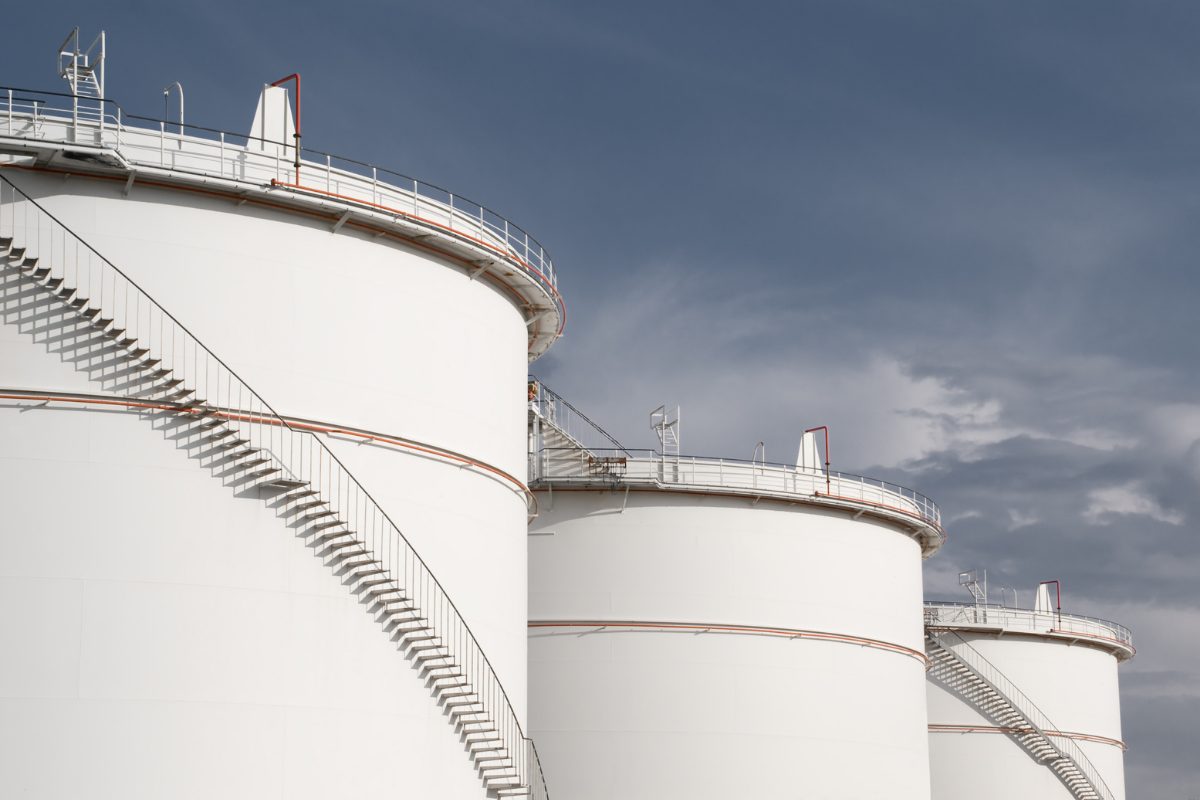
Compliance with fuel storage regulations is not just a legal requirement; it’s a cornerstone of safe fuel management. Installation of fuel tanks must comply with local building regulations, which can vary by country within the UK. Proper positioning of fuel storage tanks, away from high-traffic areas, reduces the risk of accidents and ensures compliance with these legal requirements.
UK regulations mandate that businesses store fuel properly to prevent pollution and ignition sources and risks. This includes having spill response kits nearby for immediate action in the event of a leak or spill. Elevating tanks to protect against flooding and ensuring that bunds are free from rainwater accumulation are also critical measures for a business.
Additionally, delivery pipe must be permanently attached to the tank and equipped with self-closing taps or valves to prevent accidental spills. Adhering to these regulations ensures construction companies maintain a safe and compliant fuel storage solution.
Security Measures for Fuel Storage
Securing fuel storage tanks is essential to protect against theft and unauthorized access. The financial impact of fuel theft can be significant, making it crucial to implement robust fuel security measures. A secure fuel storage tank reduces the likelihood of theft and its associated costs.
Products like Western Global cubed fuel tanks offer a lockable cabinet for storing pumps and accessories, enhancing overall security. Installing a lockable valve on any fuel tank can further safeguard against unauthorized access.
Positioning tanks out of public view reduces the risk of theft and vandalism. Additionally, heavy barriers or bollards can be used to protect tanks from accidental collisions, adding an extra layer of security.
Fuel Management Solutions
Efficient fuel management is a game-changer for construction sites, ensuring that machinery stays operational and projects remain on schedule. Implementing a fuel management system can lead to significant cost savings by reducing fuel wastage and improving overall efficiency. These systems help reduce downtime by ensuring a consistent fuel supply.
Real-time reporting features in fuel management systems allow for immediate monitoring of fuel usage, enhancing control over consumption. Many systems offer alerts to notify users when fuel levels drop below a predefined threshold, preventing unexpected shortages. Additionally, software that tracks fuel usage patterns can assist in future budgeting and forecasting, making fuel management more predictable and efficient.
Environmental Considerations
Environmental considerations are paramount when it comes to fuel storage. Improper fuel storage can lead to significant environmental damage, affecting water quality and local wildlife. To mitigate these risks, bunded fuel units are designed to protect against contamination or rainwater accumulation.
Western Global tanks feature a 110% bunded design, ensuring that any leaks are contained and preventing ground contamination. By adhering to pollution regulations and implementing these environmental safeguards, construction companies can minimize their impact on the surrounding environment.
Maintenance and Inspection of Fuel Storage Tanks
Regular maintenance and inspections are critical for ensuring the safety and functionality of fuel storage tanks. Regular maintenance of tanks and associated equipment is essential to prevent leaks and ensure compliance with environmental regulations. Inspections of bunds, vents, pipelines, and earthing should be conducted regularly.
Installing fuel alarms helps monitor fuel levels and alerts for any unexpected drops. Hinges and locks need regular lubrication to prevent rust and ensure they function properly.
A rigorous schedule of inspections and maintenance ensures fuel storage solutions remain safe and effective with minimal risk to health.
Bunded Fuel Tanks: An Extra Layer of Protection
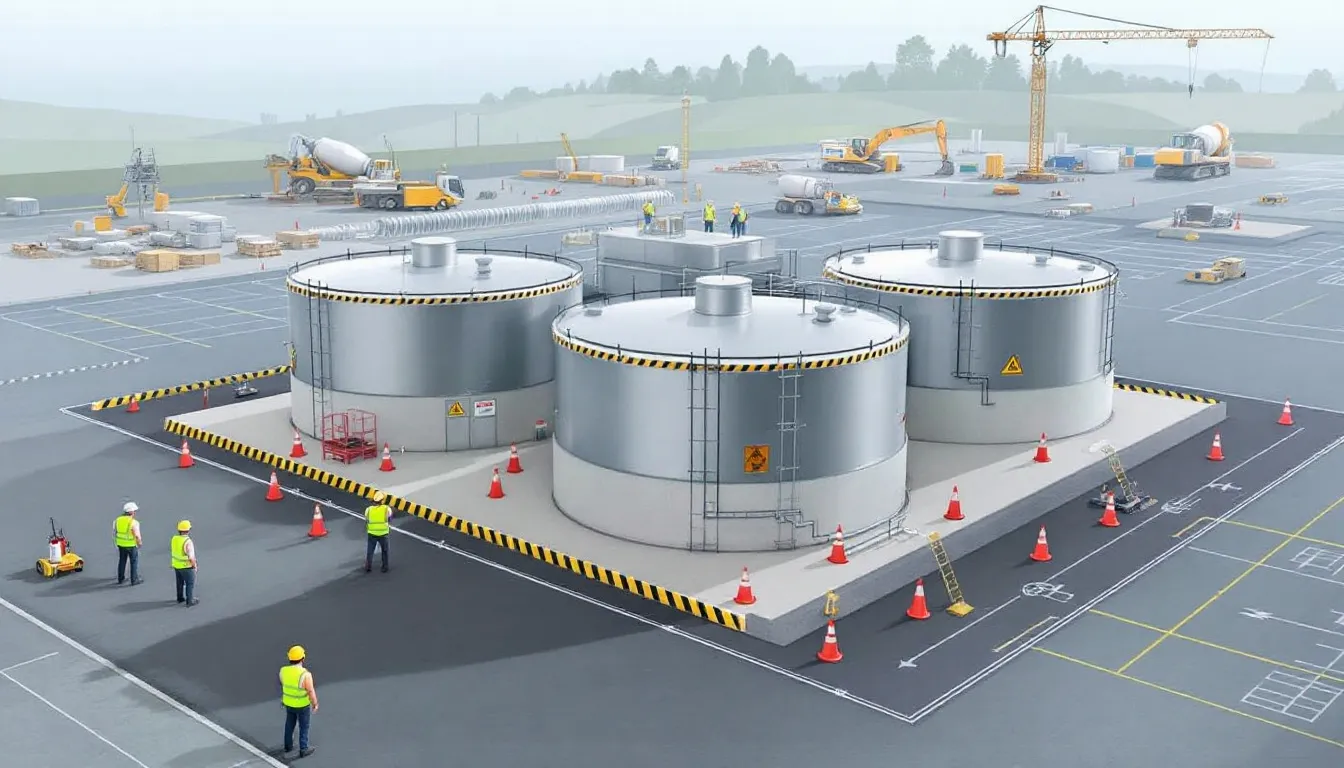
Bunded fuel tanks offer an extra layer of protection, significantly reducing the risk of fuel loss and environmental contamination. These tanks are designed to hold at least 110% of their inner tank’s capacity to fill, ensuring that any leaks are contained. Utilizing bunded tanks helps businesses comply with safety regulations and potentially lower their insurance costs.
Secondary containment systems like bunds or drip trays are crucial for preventing oil leaks and leakage into the environment. Western Global’s TransCube Global tank features a bunded container design that provides additional security and leak prevention.
These design features make bunded tanks an indispensable component of any safe fuel storage solution.
Fuel Transportation and Handling
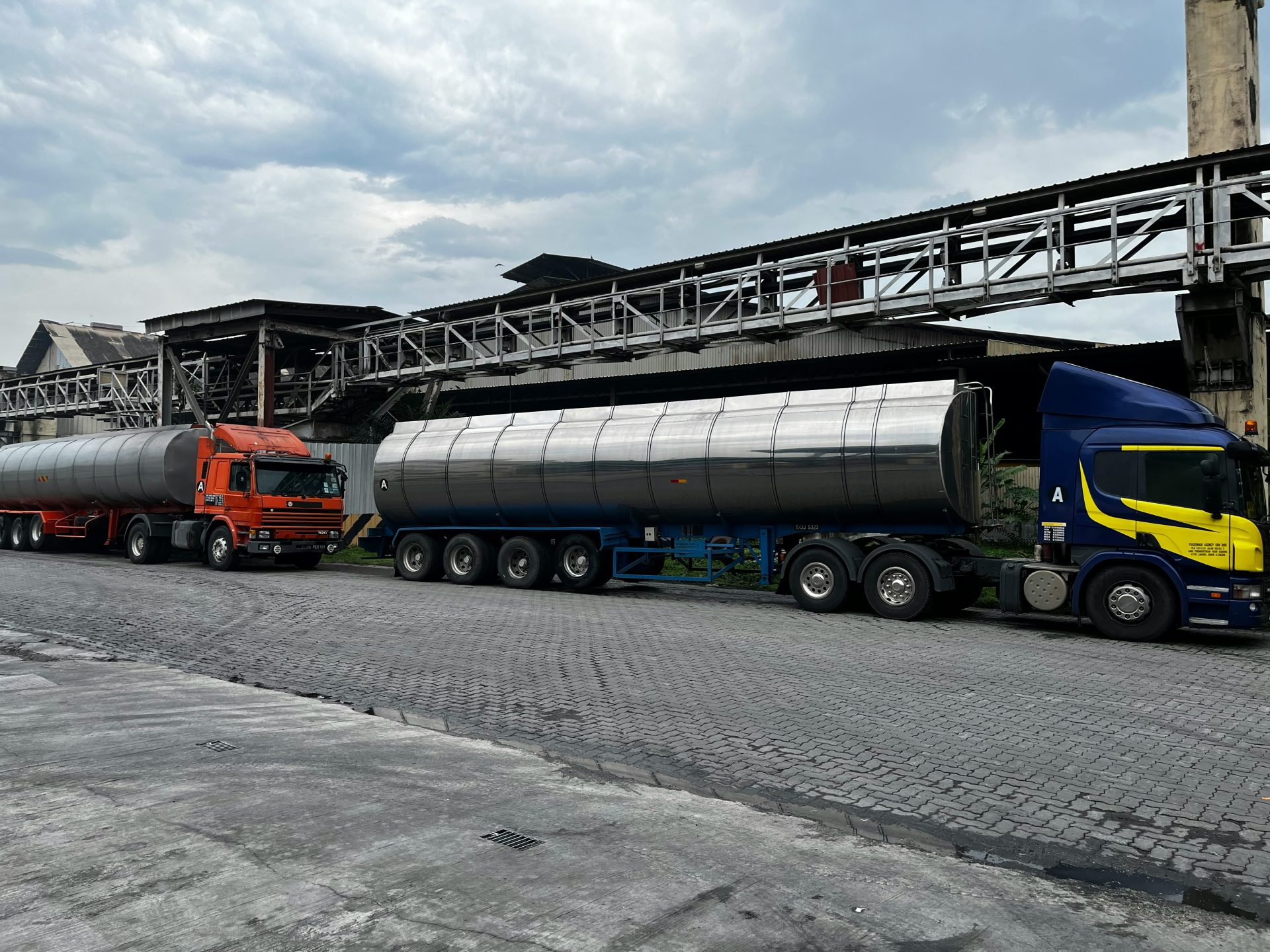
Transporting fuel safely to and from construction sites is a critical aspect of fuel management. Using specialized containers and vehicles, including trucks that meet safety standards, is essential for this process. Securing fuel containers during transport helps to carry them safely and prevents shifting, which could lead to spills and accidents.
Automated nozzles can prevent fuel overflow, reducing the risk of spills. Emergency preparedness, including having spill containment kits, is crucial for handling potential incidents during fuel transportation. Implementing these measures ensures safe and efficient fuel transportation and handling.
Summary
Throughout this blog post, we’ve explored the essential tips for safe fuel storage on construction sites. From the importance of fuel storage tanks to choosing the right tank, implementing safe storage practices, and complying with regulations, each aspect plays a crucial role in ensuring a safe and efficient fuel management system.
Security measures, fuel management solutions, environmental considerations, and regular maintenance are all integral components of a comprehensive fuel storage solution. By following these guidelines, construction companies can enhance safety, reduce costs, and minimize their environmental impact.
In conclusion, the implementation of these practices not only ensures compliance with regulations but also fosters a safer and more efficient working environment. Embrace these tips to keep your construction projects running smoothly and sustainably.
Frequently Asked Questions
Why are fuel storage tanks essential for construction sites?
Fuel storage tanks are essential for construction sites as they provide a reliable supply of fuel, which minimizes downtime and enhances operational efficiency. This continuity is crucial for maintaining productivity on-site.
What factors should be considered when choosing a fuel storage tank?
When choosing a fuel storage tank, it is essential to consider the project size, fuel type, mobility needs, security requirements, and environmental conditions to ensure optimal performance and safety. Making an informed choice based on these factors will help meet your specific needs effectively.
How can I ensure safe storage practices for fuel on construction sites?
To ensure safe storage practices for fuel on construction sites, position tanks away from water bodies, utilize safety features, ensure clear labeling, conduct regular inspections, and provide proper training on fuel handling procedures. These steps are essential to minimize risks and enhance environmental safety.
What are the benefits of using bunded fuel tanks?
Utilizing bunded fuel tanks offers significant benefits by minimizing the risk of fuel loss, ensuring compliance with safety regulations, and preventing environmental contamination from potential leaks. This makes them a prudent choice for safe fuel storage.
Why is regular maintenance and inspection of fuel storage tanks important?
Regular maintenance and inspection of fuel storage tanks are crucial to prevent leaks, ensure safety, and maintain compliance with environmental regulations. These practices ultimately protect both public health and the surrounding environment.