
In construction, safety is always the top priority—and today, it’s evolving in new ways. In 2024, the Occupational Safety and Health Administration (OSHA) finalized a rule requiring that personal protective equipment (PPE) must properly fit each individual worker (OSHA ). This change highlights a growing awareness that when construction workwear doesn’t fit correctly, it not only reduces comfort but also creates serious safety risks.
According to the Bureau of Labor Statistics, construction remains one of the most dangerous industries, with over 169,000 nonfatal workplace injuries and 1,056 fatalities in 2022. Poorly fitted work clothes and safety gear can contribute to these hazards—making this new rule more than just an update; it’s a life-saving measure.
Why Fit Matters in Safety Wear
For decades, many workers have had to make do with “one-size-fits-all” safety wear. But in reality, ill-fitting uniforms or work clothes can be dangerous:
A survey by the National Institute for Occupational Safety and Health (NIOSH) found that 57% of women in construction reported that their PPE did not fit properly, often forcing them to modify equipment themselves
When PPE doesn’t fit, it fails to protect. That’s why the OSHA rule is such a turning point—it ensures workers receive safety gear that functions as intended.
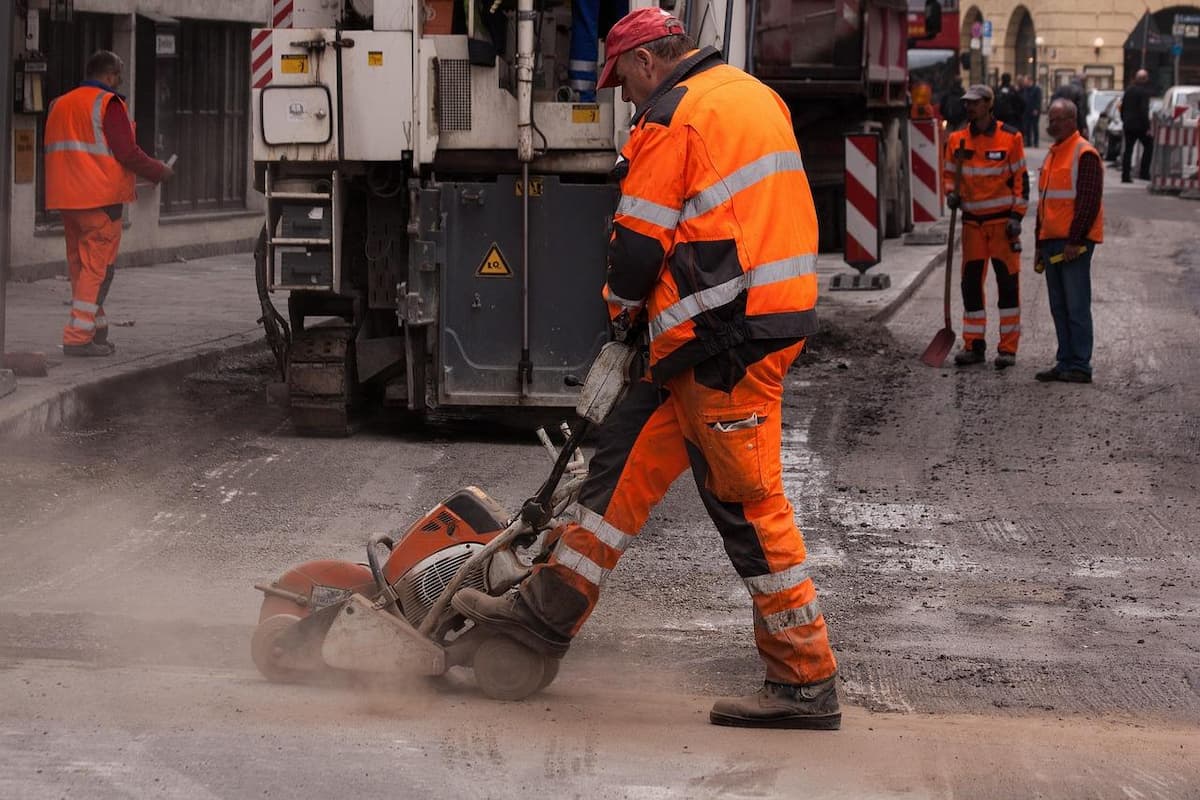
Inclusive Work Clothes for a Diverse Workforce
Today’s construction sites are more diverse than ever, with growing numbers of women, nonbinary, and transgender professionals joining the workforce. Yet for too long, they’ve had limited access to properly fitting uniforms and safety wear.
That’s why the CPWR recently compiled resources highlighting manufacturers and suppliers offering PPE designed for all body types. This means a stronger push toward construction apparel that’s built for everyone—not just the “average” worker.
What Employers and Workers Should Do Next?
The industry shift toward better-fitting safety gear has implications for everyone:
- Employers should update their safety policies and make sure their crews have access to a range of PPE sizes and styles.
- Workers should speak up if their work clothes or safety gear don’t fit—because safety depends on it.
- Stores and uniform suppliers should expand their offerings to include inclusive sizing, ergonomic design, and trial fittings.
Where Workers Can Find Properly Fitting Apparel
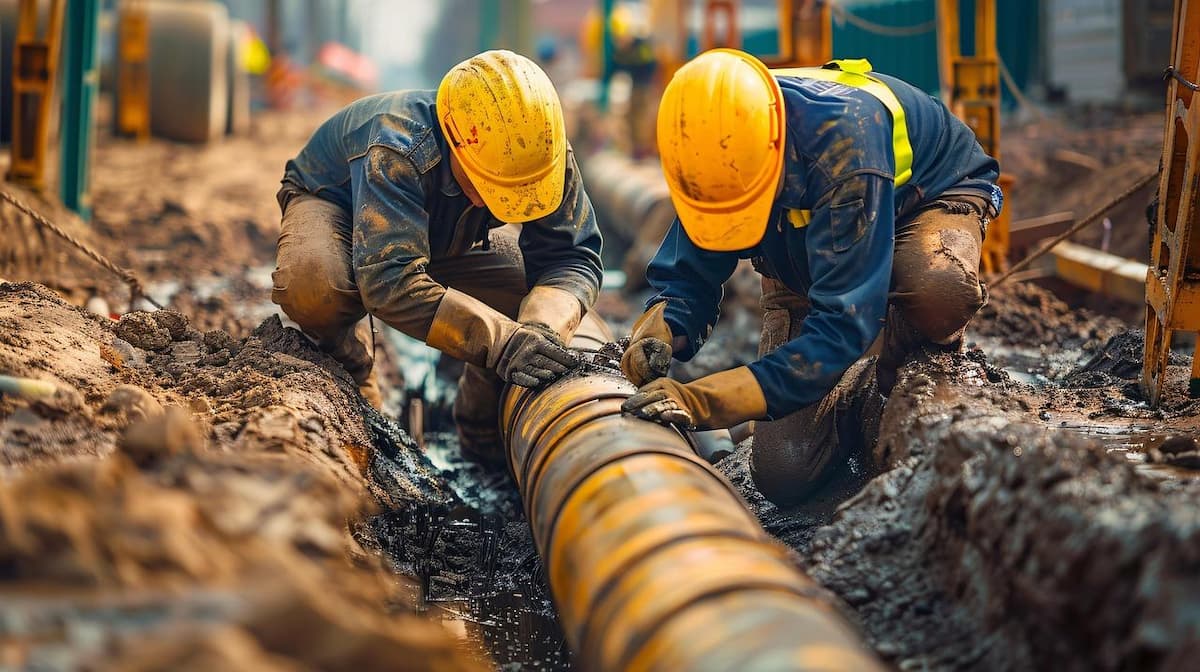
Employers and employees looking for reliable options should focus on suppliers that:
- Provide a wide range of fits and sizes.
- Offer ergonomic designs for improved mobility.
- Supply full-body uniforms, safety gear, and construction clothing.
- Allow workers to test the fit before purchase through retail stores or uniform programs.
For example, companies like Yurinox provide construction workwear that aligns with these safety and inclusivity needs—ensuring that workers have access to durable, comfortable, and properly fitted work clothes.
What This Means for Employers, Workers, and Stores
- Employers should update procurement policies to include PPE fit requirements.
- Workers should speak up if their safety wear doesn’t fit properly—it’s a legitimate hazard.
- Stores and uniform suppliers should adapt their inventory to meet OSHA’s new rule and CPWR recommendations.
As this trend grows, the companies and workwear stores that adapt quickly will not only protect their workers but also set themselves apart in the industry.
Final Word: Safety Through Fit
The future of construction workwear is about more than durability—it’s about protection that actually fits. Properly fitted clothes, uniforms, and safety wear reduce injuries, boost productivity, and make construction sites safer for everyone.
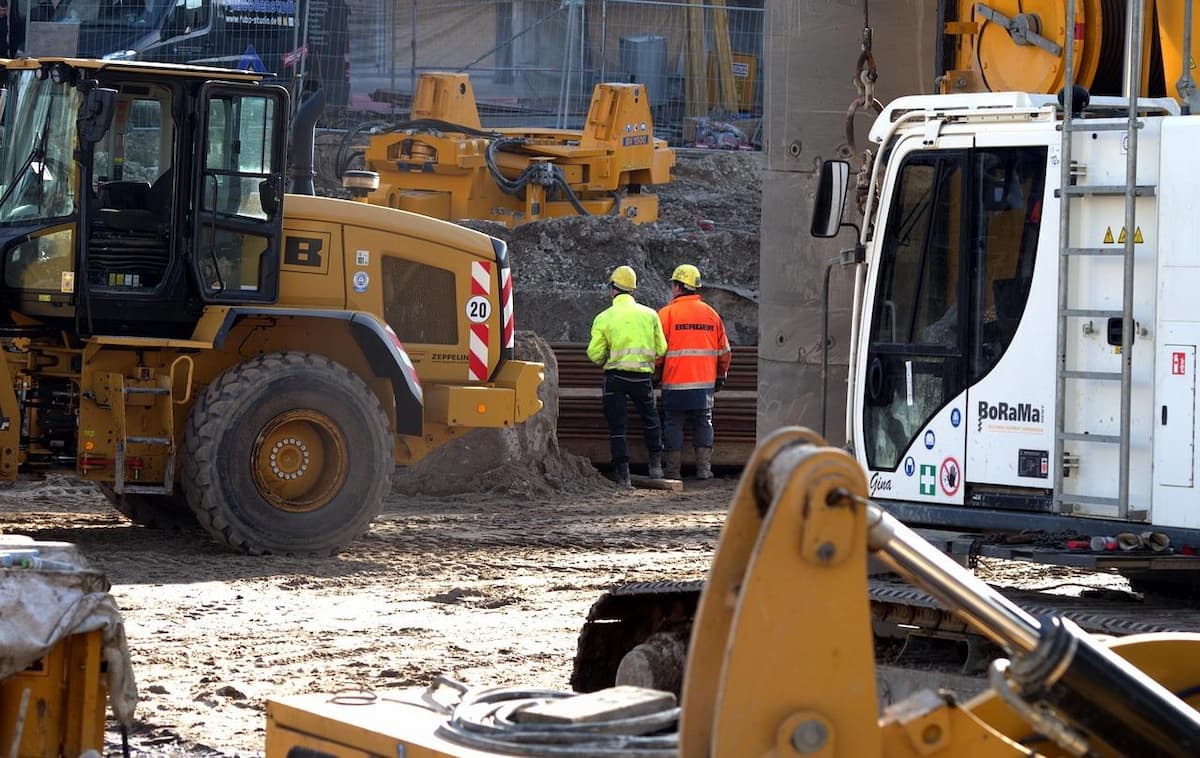
Whether you’re an employer, a worker, or a supplier, investing in the right apparel and safety gear is no longer optional—it’s essential. And with OSHA and CPWR pushing for these changes, the industry is moving toward a safer, more inclusive future.