
Renovating a modern property is one thing. Renovating a centuries-old structure is quite another. Historical buildings carry layers of history, unique architecture, and cultural value that must be protected. Yet they also come with hidden challenges: walls that lean, outdated layouts, unstable structures, and the absence of reliable drawings.
These risks mean that even the smallest miscalculation can lead to major setbacks both in cost and in compliance with heritage regulations. Without accurate records, architects and developers risk making design errors, damaging fragile structures, or running into planning restrictions late in the process.
The best safeguard is clear and precise information. That is why every renovation project on a historic property should begin with a measured building survey. It provides the detailed foundation needed to restore or adapt a building while respecting its history and ensuring structural integrity.
Challenges of Renovating Historical Buildings
Working with historic structures presents far more complexity than working with modern builds. Common challenges include:
- Outdated or missing plans
Many older properties were constructed long before detailed technical drawings became standard practice. Renovation teams are often left with inaccurate or incomplete records. - Structural instability
Ageing timber, uneven floors, and weakened masonry can pose safety risks. Without knowing the exact condition and dimensions of the building, renovation work can easily cause further damage. - Conservation restrictions
Heritage-listed buildings are subject to strict planning rules. Proposals must often be justified with precise documentation to show how alterations will protect the original structure. - High cost of mistakes
Misjudging dimensions or ignoring hidden features can result in expensive rework, planning rejection, or even damage to protected elements.
For these reasons, relying on guesswork or rough sketches is a risk that conservation professionals cannot afford.
What is a Measured Building Survey?
A measured building survey is a precise record of a property’s physical dimensions. Unlike basic floor plans, it captures accurate layouts, room sizes, elevations, and structural details.
For heritage properties, this means surveyors document every wall, window, archway, and irregularity that makes the building unique. Surveys are produced in formats that architects, engineers, and conservation specialists can use directly for design, planning, and restoration.
In short, it is the critical first step that ensures the renovation team is working from a reliable map of the building as it stands today not an assumption of how it once looked.
How Point Cloud Surveying Enhances Accuracy
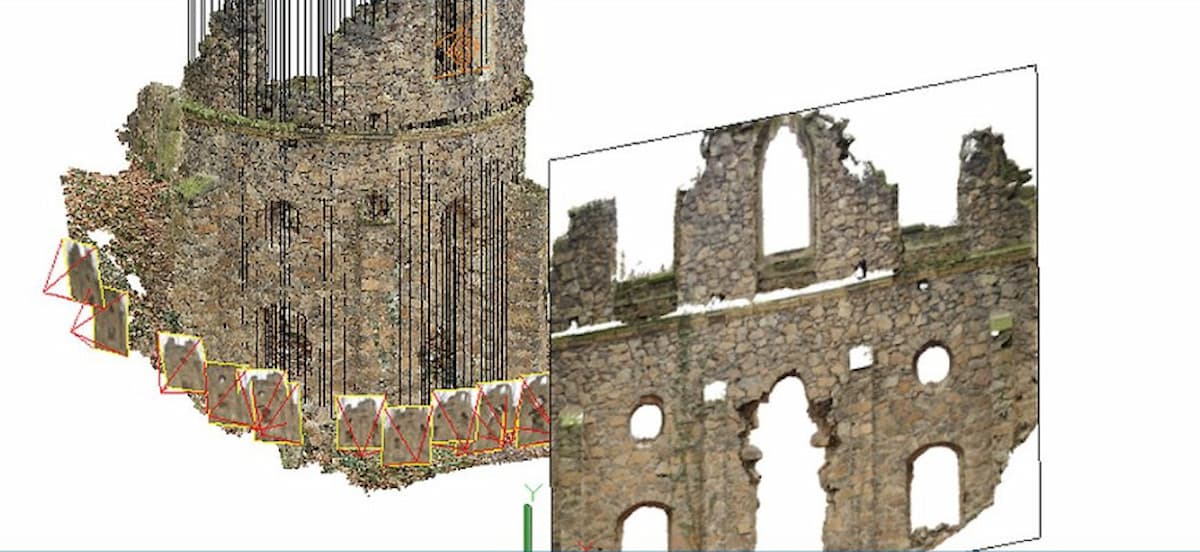
Historic buildings rarely have perfect symmetry. Walls may curve, ceilings may slope, and intricate features may defy traditional measurement methods. This is where point cloud survey technology proves invaluable.
Point cloud surveying uses 3D laser scanners to capture millions of points across a building’s surfaces. The result is an exact digital replica of the property, showing every contour and irregularity in high detail.
For heritage projects, this method is especially beneficial because:
- It records complex shapes like vaulted ceilings, spiral staircases, and ornate facades with precision.
- It reduces the risk of error by eliminating reliance on manual measurement alone.
- It provides architects and planners with a 3D model that can be explored virtually before any physical work begins.
This level of detail allows renovation teams to design with accuracy, plan construction safely, and comply with heritage restrictions.
Benefits of Measured Building Surveys for Renovation Projects
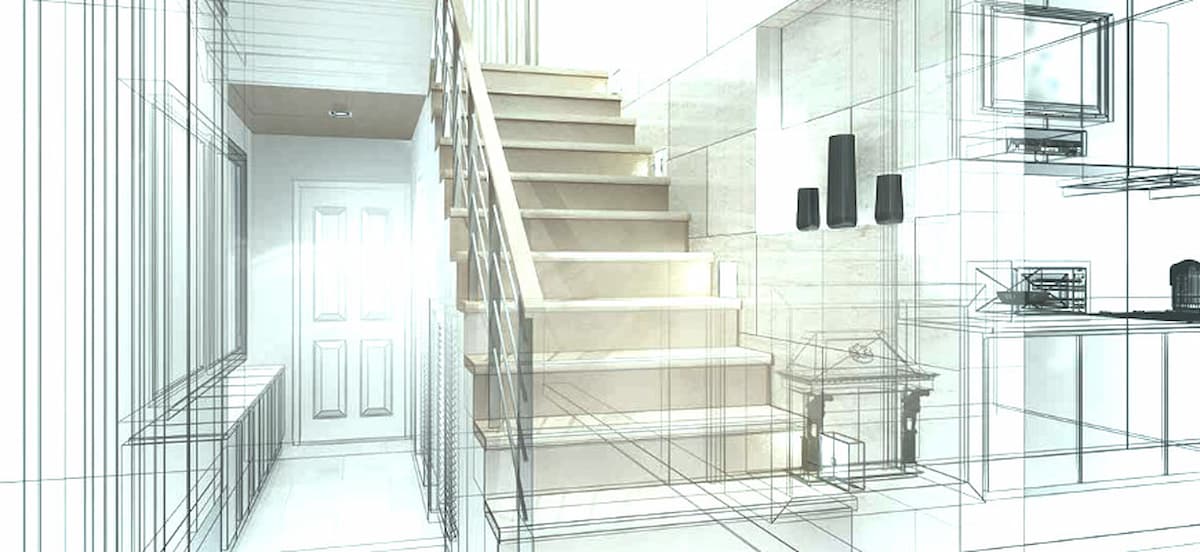
Commissioning a measured building survey delivers tangible advantages to everyone involved in the renovation process:
- Supports structural assessments
Engineers gain the data needed to evaluate the stability of walls, roofs, and foundations. - Provides accurate design information
Architects can create restoration plans that respect original features while accommodating modern use. - Helps secure planning approvals
Conservation authorities are more likely to approve proposals supported by professional, detailed survey documentation. - Reduces delays and cost overruns
Accurate site data minimises unexpected discoveries during construction, preventing rework and wasted investment. - Improves safety
By highlighting unstable areas or hidden structural weaknesses, surveys protect both workers and the building itself.
For property developers and heritage owners, these benefits translate into smoother projects, fewer risks, and greater confidence in the outcome.
Conclusion
Historical buildings are irreplaceable. Renovating them requires not just vision, but precision and care. The most effective way to protect both the past and the future of these properties is to begin with a measured building survey.
From providing reliable data to ensuring compliance with conservation laws, surveys form the foundation of every successful heritage project. For architects, planners, and developers, investing in professional surveying services is not simply best practice it is essential.